Students Win Fight to Stop River Waste Dumping in Pune
After toxic smoke from burning riverbed waste hospitalized seven students, 500 MIT students protested and successfully forced their university to block illegal garbage trucks. The university registrar now supports their demand for permanent waste management solutions.
When toxic smoke from burning garbage sent seven students to the hospital, 500 of their classmates decided enough was enough.
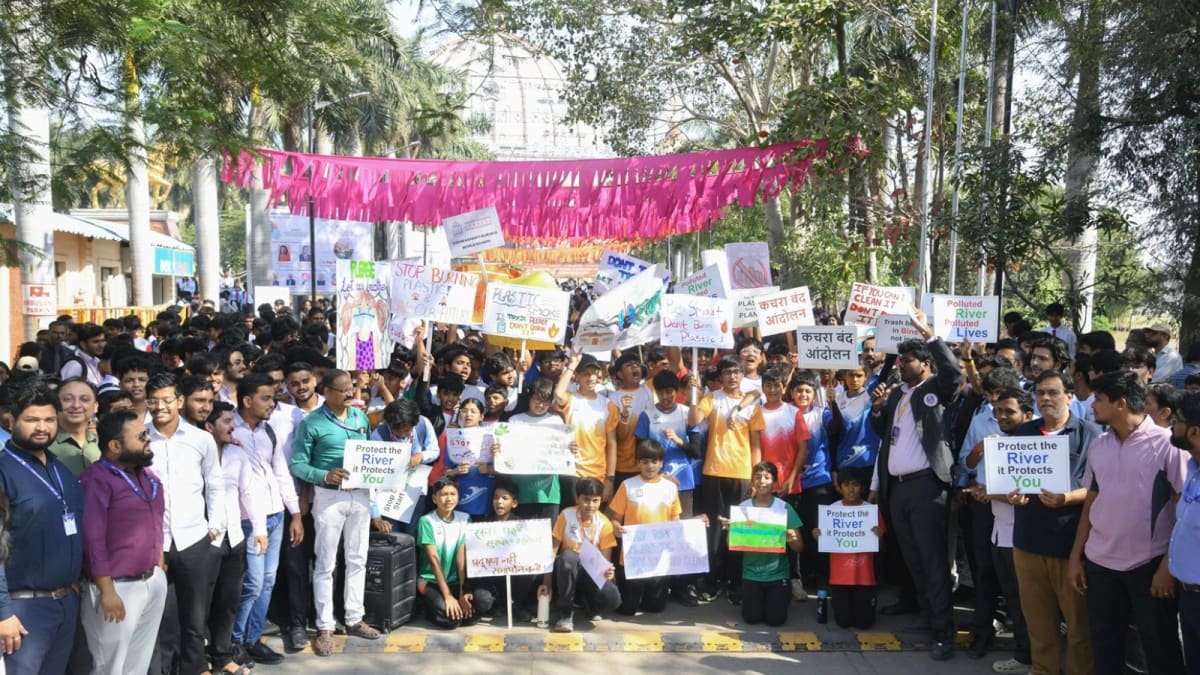
Students at MIT ADT University in Pune, India staged a powerful protest on March 4 after massive heaps of illegally dumped waste in the nearby Mula-Mutha riverbed caught fire. The blaze smoldered for five days, blanketing the campus in dense smoke and forcing students with asthma to sleep in masks.
The fire started on February 26 when waste ignited in the riverbed where local authorities had been dumping 35 to 40 tractor loads of untreated garbage daily. Six to seven students were hospitalized the next day with breathing difficulties and suffocation. Many more fled campus despite ongoing exams.
"Every night, thick smoke covers the campus. Visibility drops to barely three or four feet," said Anay Ahire, Editorial Secretary of the Student Council. "Ambulances have been coming in frequently. Some of us are sleeping with masks on."
Female students in hostels had to switch rooms to escape the fumes. Sports students practicing near the river suffered the worst exposure. The campus houses 5,000 students and 1,000 staff members among the 20,000 total students enrolled.
The Ripple Effect
The student protest created immediate change. University Registrar Dr. Mahesh Chopde didn't dismiss their concerns but joined their cause instead.
"Following students' strong demands, we have decided to stop garbage vehicles belonging to local gram panchayats at the university entrance from today onwards," Dr. Chopde announced. He publicly called on district administrators to provide land for proper solid waste management.
The students submitted formal memorandums to both university administration and local police. Their courage turned a health crisis into a catalyst for environmental action that could benefit the entire region.
"We have come from different parts of the country to study, not to fall sick to toxic exposure," said Mugdha Sonawane, a third-year engineering student. Her words captured why 500 students left their classrooms to demand breathable air.
The university now stands with its students against illegal dumping, proving that young voices can transform institutional priorities when health and safety hang in the balance.
Based on reporting by Indian Express
This story was written by BrightWire based on verified news reports.
Spread the positivity!
Share this good news with someone who needs it