Study Ends Antibiotic Overuse in Kids with Wheezing
A breakthrough study published in the New England Journal of Medicine proves antibiotics don't help preschoolers with severe wheezing, potentially ending unnecessary treatment for hundreds of thousands of children. The findings could stop ineffective antibiotic use in up to 60% of moderate-to-severe cases.
Every year, emergency rooms across America treat countless preschoolers struggling to breathe from severe wheezing, and doctors prescribe antibiotics to about 25% of them. A groundbreaking new study just proved those antibiotics aren't helping at all.
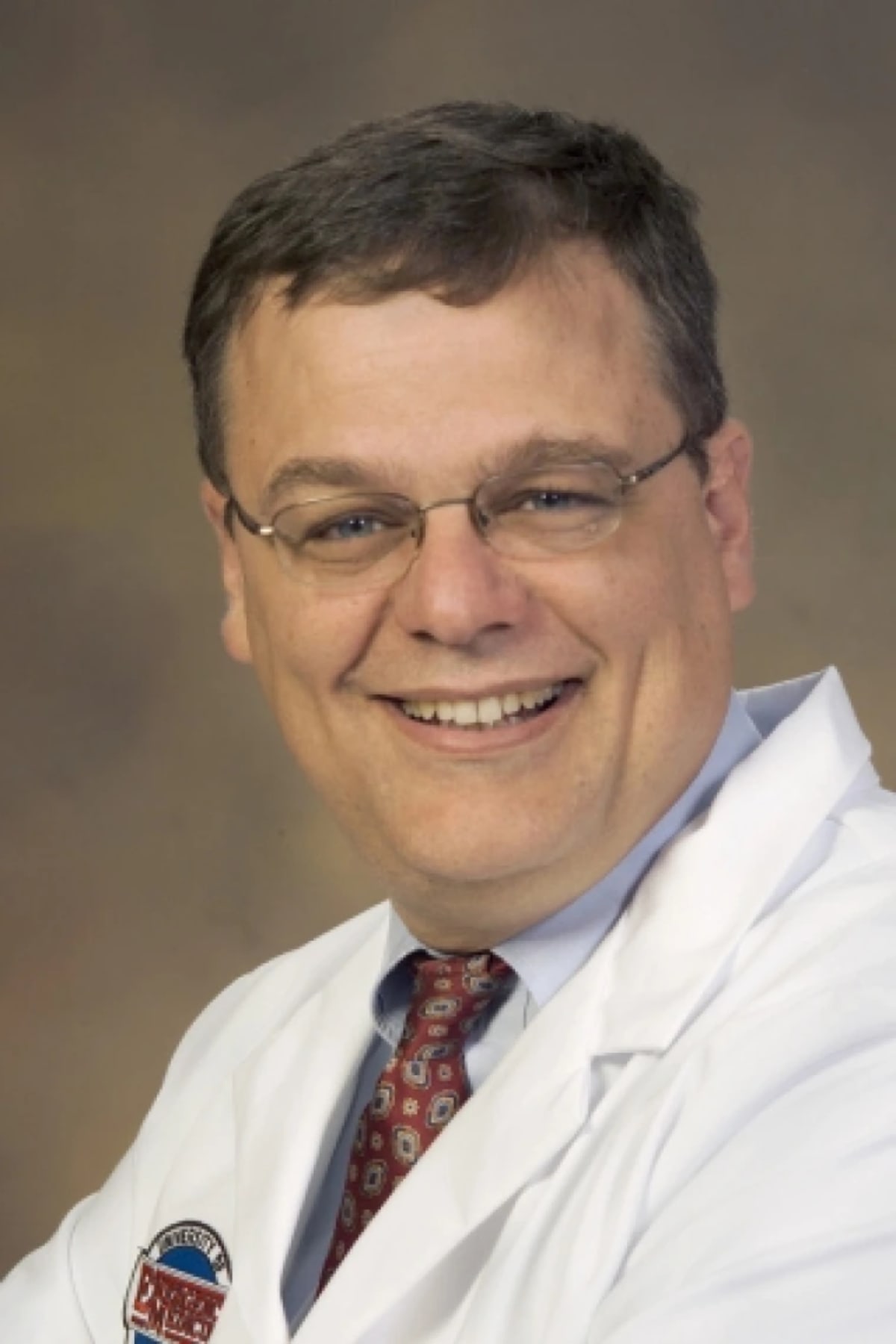
Dr. Kurt Denninghoff, an emergency medicine professor at the University of Arizona, led a team that studied 840 preschool-age children across eight pediatric emergency departments. The results, published in the prestigious New England Journal of Medicine, answer questions that have puzzled doctors for decades.
The research team tested children arriving at emergency rooms with moderate-to-severe wheezing. They gave some kids azithromycin, a common antibiotic, while others received a placebo. The antibiotic group showed no better improvement than the placebo group.
Here's why: more than 86% of the wheezing children had viral infections, not bacterial ones. Antibiotics fight bacteria but can't touch viruses. The study was stopped early because the results were so clear that azithromycin simply wasn't working.
The findings matter enormously. In moderate-to-severe cases like those studied, doctors currently prescribe antibiotics to about 60% of young patients. Half of these children end up hospitalized. That's a lot of kids getting medicine that doesn't help them.
Dr. Denninghoff spent over a decade developing this research with colleagues Dr. Fernando Martinez and Dr. T. Charles Casper. The National Institutes of Health and the Pediatric Emergency Care Applied Research Network funded the work.
Getting published in the New England Journal of Medicine is rare. Out of 16,000 submissions each year, only 5% make the cut. The journal reserves its pages for studies that change how doctors practice medicine.
The Ripple Effect
This research will transform emergency care for wheezing preschoolers nationwide. Doctors now have definitive proof to skip antibiotics unless pneumonia is clearly present. Fewer unnecessary antibiotics means healthier kids and less antibiotic resistance, a growing threat to public health.
Families won't waste money on prescriptions that don't work. Children won't experience antibiotic side effects like stomach upset or allergic reactions. Emergency departments can focus treatments on what actually helps: managing the viral infections and wheezing symptoms directly.
The study also closes the door on years of inconclusive research about bacteria's role in childhood asthma and wheezing. Doctors finally have clear answers backed by rigorous science.
Dr. Denninghoff believes these results will stop ineffective antibiotic use in children who wheeze without pneumonia. That could mean hundreds of thousands of kids each year getting better, more targeted care based on what their bodies actually need.
Sometimes the best medical breakthrough isn't a new drug but proof that an old habit should stop.
Based on reporting by Google News - Health Breakthrough
This story was written by BrightWire based on verified news reports.
Spread the positivity!
Share this good news with someone who needs it