Study Reveals Path to Better Cancer Care for 100M Americans
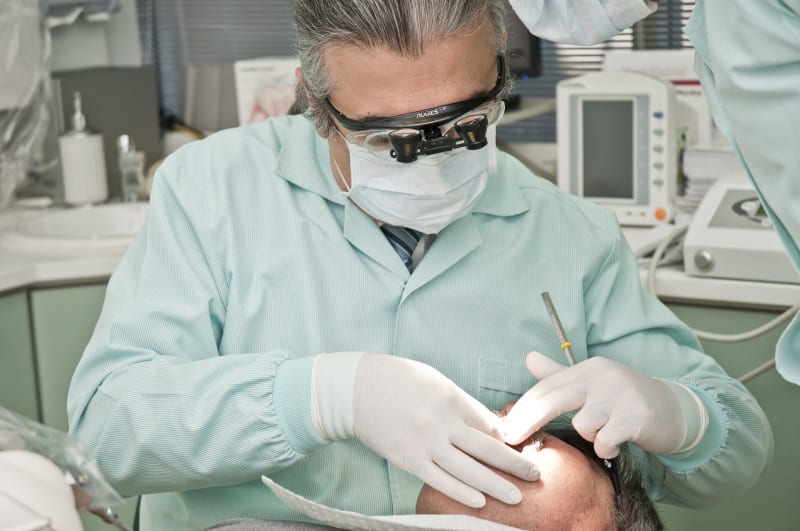
A groundbreaking study tracking over 100 million insurance records has uncovered a critical gap in cancer care that researchers say is entirely fixable. Oral cancer patients are getting less dental care than healthy adults, despite facing painful treatment side effects.
Cancer survivors who need dental care the most are getting it the least, but a major new study shows exactly how to fix this problem.
Researchers at City University of New York analyzed insurance records from 2013 to 2024, tracking over 100 million commercially insured adults and 7 million Medicare patients. They discovered that people with oral and throat cancers had fewer dental visits each year than adults without cancer, even though cancer treatments often cause severe oral complications.
The findings reveal a specific, solvable problem. Medicare patients with these cancers averaged 2.79 dental visits yearly compared to 2.98 for healthy adults. The gap was even wider for those with commercial insurance.
Dr. Onur Baser, who led the research published in Cancer Epidemiology, Biomarkers & Prevention, points to a clear culprit: traditional Medicare doesn't include comprehensive dental benefits. This leaves older Americans struggling with painful side effects from surgery, radiation, and chemotherapy without proper oral care.
The stakes are significant. Older Americans carry the highest burden of these cancers, with Medicare patients showing rates nearly six times higher than commercially insured adults. Men face double the risk of women in both groups.
Annual healthcare costs for these patients reach $23,000 for Medicare beneficiaries and $47,000 for those with commercial insurance. Yet despite these enormous medical expenses, basic dental care falls through the cracks.
The Bright Side
The researchers didn't just identify the problem. They mapped out concrete solutions that could help millions of cancer survivors live better lives.
Their recommendations include incorporating dental evaluations before cancer treatment begins, ensuring regular follow-up care, and building bridges between oncology teams and dental providers. Most importantly, they're calling for expanded dental coverage in Medicare and integrated medical-dental care models.
These changes would directly address the oral complications that diminish quality of life for cancer survivors: difficulty eating, chronic pain, infections, and tooth loss. Better dental care could prevent many of these issues before they start.
The study particularly emphasizes older men on Medicare, who carry the highest burden of both oral cancers and other chronic conditions. For this vulnerable population, coordinated care could be life-changing.
The research gives policymakers exactly what they need: clear data showing who's affected, how widespread the problem is, and what specific changes would help. The path forward is now remarkably clear.
More Images


Based on reporting by Medical Xpress
This story was written by BrightWire based on verified news reports.
Spread the positivity!
Share this good news with someone who needs it