Sudan Vaccinates 1.4 Million Kids Against Measles Outbreak
Health workers across Sudan are racing to vaccinate over 2 million children as massive immunization campaigns launch to stop a measles outbreak and save young lives. Despite shortages and conflict, medical teams are going door to door to reach every child.
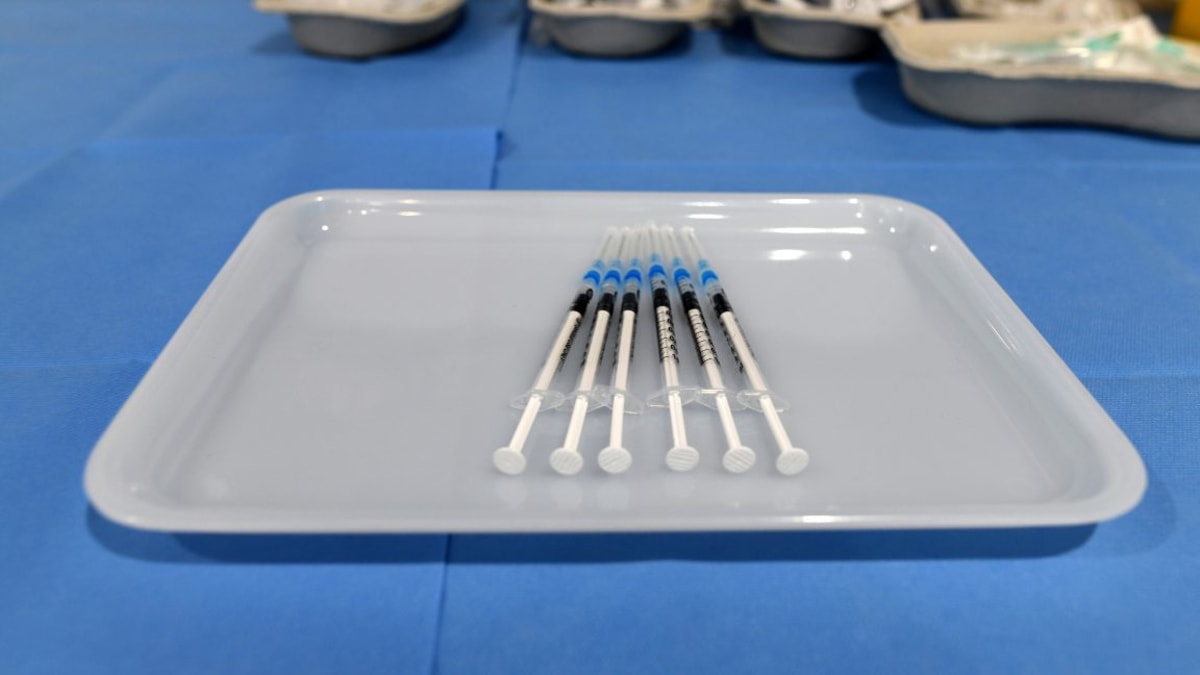
Across Sudan's Darfur and Kordofan regions, thousands of health workers are launching one of the largest emergency vaccination drives in the country's recent history, aiming to protect more than 2 million children from a preventable disease.
In South Darfur alone, UNICEF and the Ministry of Health have already begun vaccinating 1.4 million children aged nine months to 14 years against measles and rubella across 15 localities. The first phase is complete in four areas, with more communities receiving vaccines in coming weeks.
North Kordofan health authorities are preparing mobile vaccination teams to reach 273,000 children for polio shots and 634,000 children for measles vaccines. These teams will conduct household visits across Sheikan, Umm Rawaba, and El Rahad, ensuring no child is missed.
The campaign comes as health officials recorded nearly 1,000 measles cases in North Kordofan, with 646 occurring in displacement camps where families have gathered seeking safety. Medical staff linked many infections to missed routine vaccinations caused by disrupted health services.
In North Darfur's Kabkabiya locality, health workers are battling outbreaks of both measles and whooping cough while keeping 18 of 32 health centers running despite medicine shortages. Aid groups have delivered emergency medical supplies to support the vaccination efforts.
Laboratory tests have confirmed measles infections across multiple regions, helping health officials target their response. Medical teams set up temporary isolation centers, including one in a school building in El Taweisha, to treat infected children and prevent further spread.
The Ripple Effect
This massive mobilization shows what's possible when health workers, international organizations, and local authorities unite around a common goal. By reaching children in displacement camps, remote villages, and conflict-affected areas, vaccination teams are protecting the most vulnerable populations first.
The door-to-door approach ensures families who cannot reach health facilities still receive life-saving vaccines. Mobile teams can adapt to challenging conditions, bringing healthcare directly to communities rather than waiting for them to come.
Each vaccinated child represents not just one life protected, but reduced transmission throughout entire communities. When vaccination coverage increases, diseases lose their ability to spread, protecting even those who cannot be vaccinated due to age or health conditions.
Health workers continue their mission despite difficult circumstances, demonstrating the power of dedication to public health. Their efforts are rebuilding vaccination coverage and restoring hope that preventable diseases can be stopped before claiming more young lives.
More Images


Based on reporting by AllAfrica - Health
This story was written by BrightWire based on verified news reports.
Spread the positivity!
Share this good news with someone who needs it