Sudanese Engineer Returns Home to Rebuild War-Torn Nation
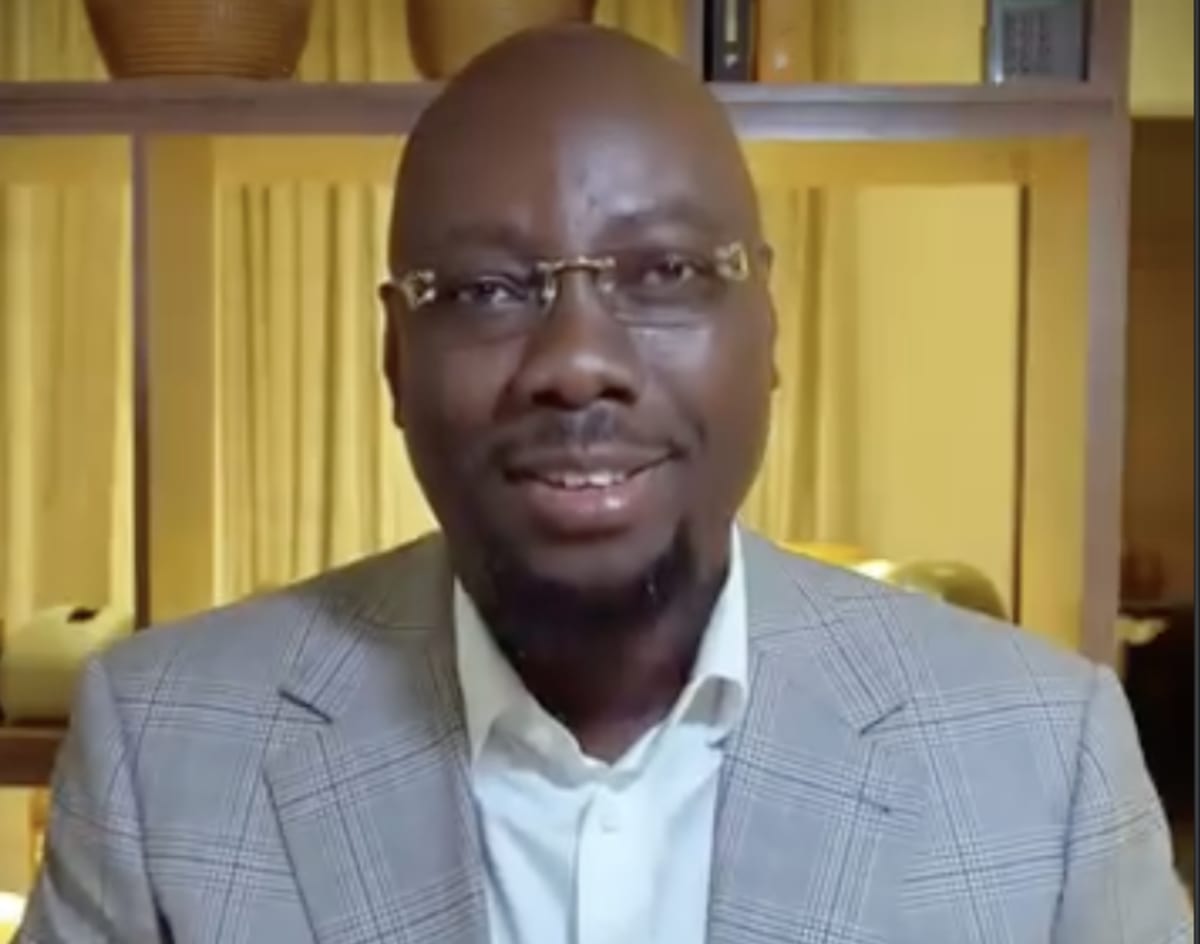
After fleeing war in Sudan, engineer Jamal Mubarak is heading home to help rebuild his country. He's one of 1,300 refugees choosing hope over safety through a UN voluntary return program.
When war forced Jamal Mubarak to flee Sudan, he thought he'd find opportunity in Uganda. Instead, he found something more powerful: a reason to go home.
Mubarak is an engineer who spent months searching for work in Uganda after escaping the conflict in his homeland. Jobs proved scarce, and the dream of building a new life abroad slowly faded. But rather than giving up, he made a choice that surprised even him.
He's going back to Sudan to rebuild.
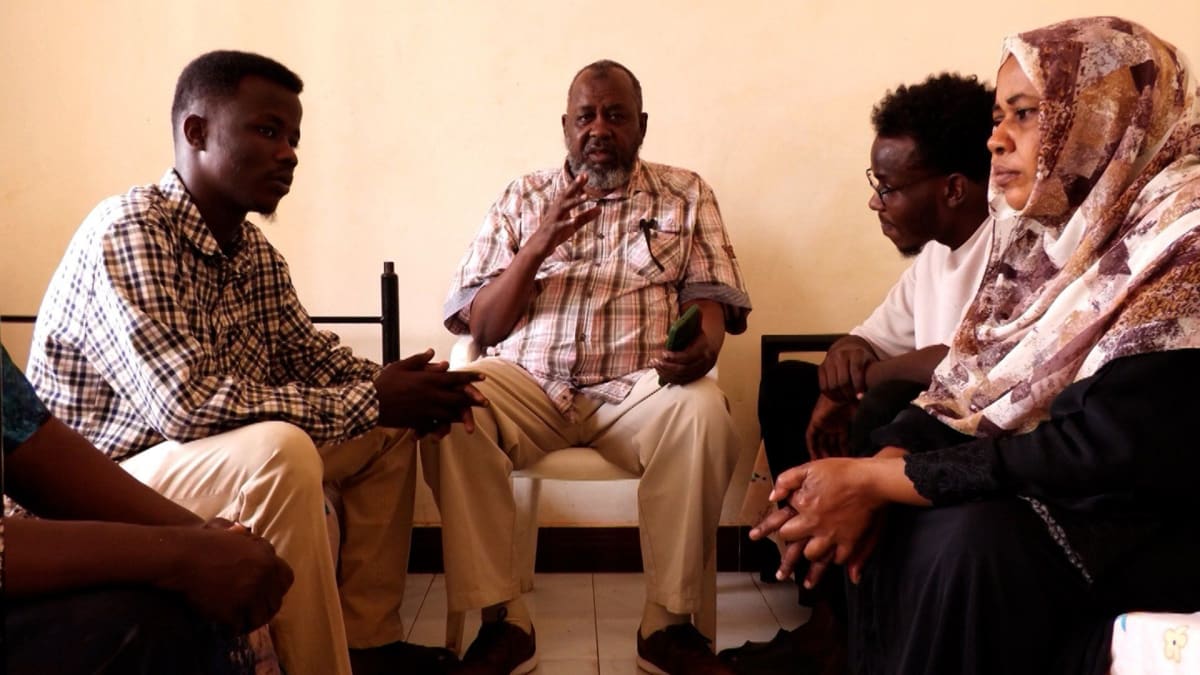
The United Nations reports that Uganda currently hosts over 96,000 Sudanese refugees who escaped the brutal civil war. While most remain in camps hoping for safety, a voluntary repatriation program is offering flights home to those ready to return. At least 1,300 people have signed up, including Mubarak.
"I'm going back to make buildings for our country," Mubarak explained. His decision isn't about forgetting the dangers he fled or the hardships still waiting at home. It's about choosing purpose over comfort.
Finding work in Uganda wasn't easy for the skilled engineer. Language barriers, credential recognition issues, and a competitive job market made it nearly impossible to practice his profession. The frustration of watching his skills go unused while his country crumbled weighed heavily on him.
The Ripple Effect
Mubarak's return represents more than one man's journey home. Every engineer, doctor, teacher, and skilled worker who chooses to return brings knowledge that war-torn communities desperately need. These returnees become the foundation for Sudan's future, transforming refugee camps in neighboring countries into launching pads for reconstruction.
The voluntary nature of the program matters deeply. No one is being forced back into danger. These are people making informed choices about where they can make the biggest difference. They're trading temporary safety for lasting impact.
Sudan's infrastructure needs are staggering after years of conflict. Every building Mubarak designs, every structure he helps construct, becomes a symbol of resilience. His work will shelter families, house businesses, and prove that home is worth fighting for, even when fighting means simply showing up.
Other refugees watching from Ugandan camps now have a different story to tell their children: not just about the day they fled, but about the day some chose to return and rebuild.
One engineer with a toolbox and a dream is heading home to make buildings that will stand long after the war is forgotten.
Based on reporting by Al Jazeera English
This story was written by BrightWire based on verified news reports.
Spread the positivity!
Share this good news with someone who needs it