Sugarcane Protein Creates Artificial Saliva to Protect Teeth
Scientists in Brazil have developed artificial saliva using a sugarcane protein that shields teeth from decay-causing acids. The breakthrough could transform dental care for cancer patients who lose their ability to produce saliva after radiation treatment.
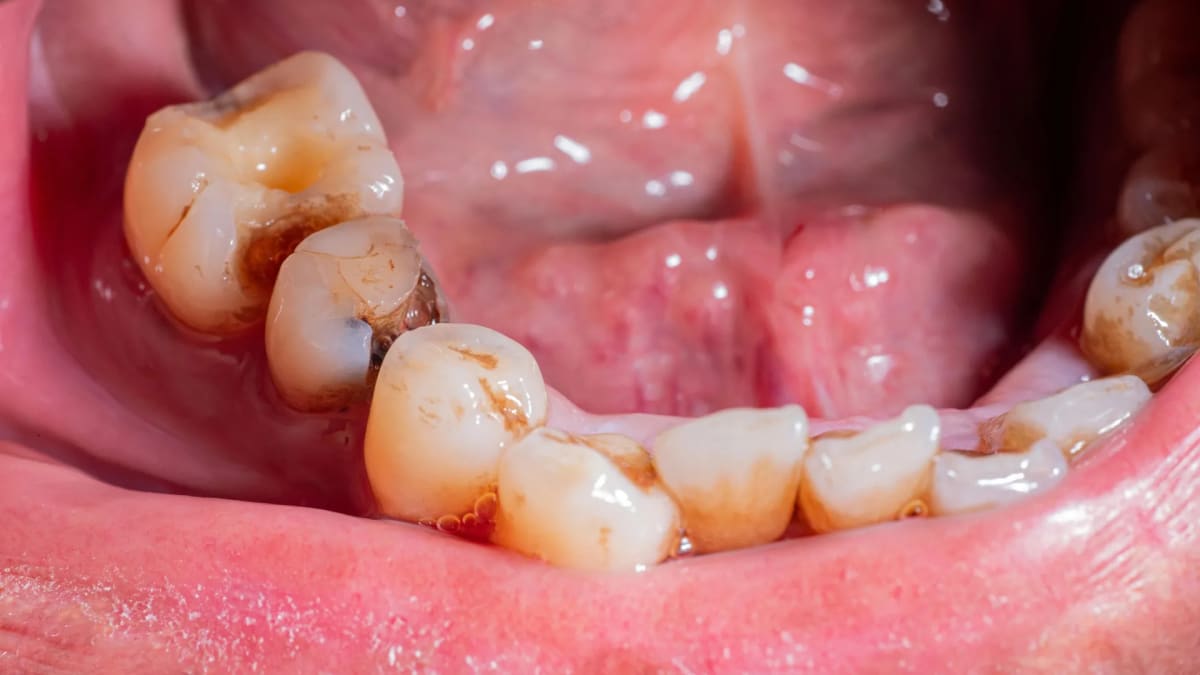
Cancer patients who undergo head and neck radiation often face an unexpected challenge: their salivary glands stop working, leaving them vulnerable to severe tooth decay. Now, Brazilian scientists have created a solution that mimics nature's own defense system.
Researchers at the University of São Paulo developed an artificial saliva using CANECPI-5, a protein originally discovered in sugarcane research. When applied as a simple mouthwash, the protein binds directly to tooth enamel and forms a protective shield against acids from food, drinks, and stomach reflux.
The team tested the formula on animal teeth samples, applying it once daily for just one minute. The results showed CANECPI-5 works even better when combined with fluoride and xylitol, two common dental ingredients. Together, they significantly reduced bacterial activity and slowed the process that makes teeth vulnerable to cavities.
Lead researcher Natara Dias Gomes da Silva explains that this is the first dental product to use the concept of acquired pellicle, the thin protective layer that naturally forms on teeth. The artificial version reformulates that protection for people whose bodies can no longer produce it.
Professor Marília Afonso Rabelo Buzalaf, who coordinated the research, notes there's currently no dedicated product for treating the severe cavities that develop after cancer radiation. Some patients lose their ability to produce saliva temporarily during treatment. Others never regain it.
The discovery happened almost by accident. Professor Flávio Henrique Silva at the Federal University of São Carlos was studying sugarcane proteins when his team noticed CANECPI-5 stuck strongly to smooth surfaces in the lab. That observation led to dental testing and a breakthrough.
Why This Inspires
The protein has already been patented, and researchers are now seeking partners to bring it to market. They've successfully tested multiple delivery methods including mouthwash, gel, and a dissolving film that's placed on the tongue. All formats showed promising results.
Beyond cancer patients, the artificial saliva also helps people with xerostomia, the medical term for chronic dry mouth. It relieves discomfort from mouth sores while actively fighting the bacteria that cause decay. Researchers are exploring its potential for treating periodontitis and other dental conditions.
What started as basic sugarcane research has grown into a versatile platform. The team is now testing other proteins discovered in the original Sugarcane Genome Project, hoping to unlock even more protective benefits for oral health.
A simple protein from an everyday crop may soon offer lasting relief to patients facing one of cancer treatment's most painful side effects.
Based on reporting by Health Daily
This story was written by BrightWire based on verified news reports.
Spread the positivity!
Share this good news with someone who needs it