Sun's 19-Day Radio Burst Shatters Space Weather Records
Scientists tracked a mysterious solar radio signal that refused to stop for 19 days, nearly four times longer than any previous burst. The discovery could help protect satellites and spacecraft from dangerous solar activity.
A routine solar signal turned into a 19-day mystery that has scientists celebrating a major breakthrough in understanding our Sun.
In August 2025, NASA detected what seemed like an ordinary radio burst from the Sun. These signals typically fade within hours, maybe a few days at most. But this one kept going, and going, persisting for an incredible 19 days and smashing the previous five-day record.
Scientists tracked the signal using a fleet of spacecraft spread across the inner solar system, including NASA's STEREO, Parker Solar Probe, Wind spacecraft, and ESA's Solar Orbiter mission. As the Sun rotated, different spacecraft picked up the signal, allowing researchers to follow it like a relay race through space.
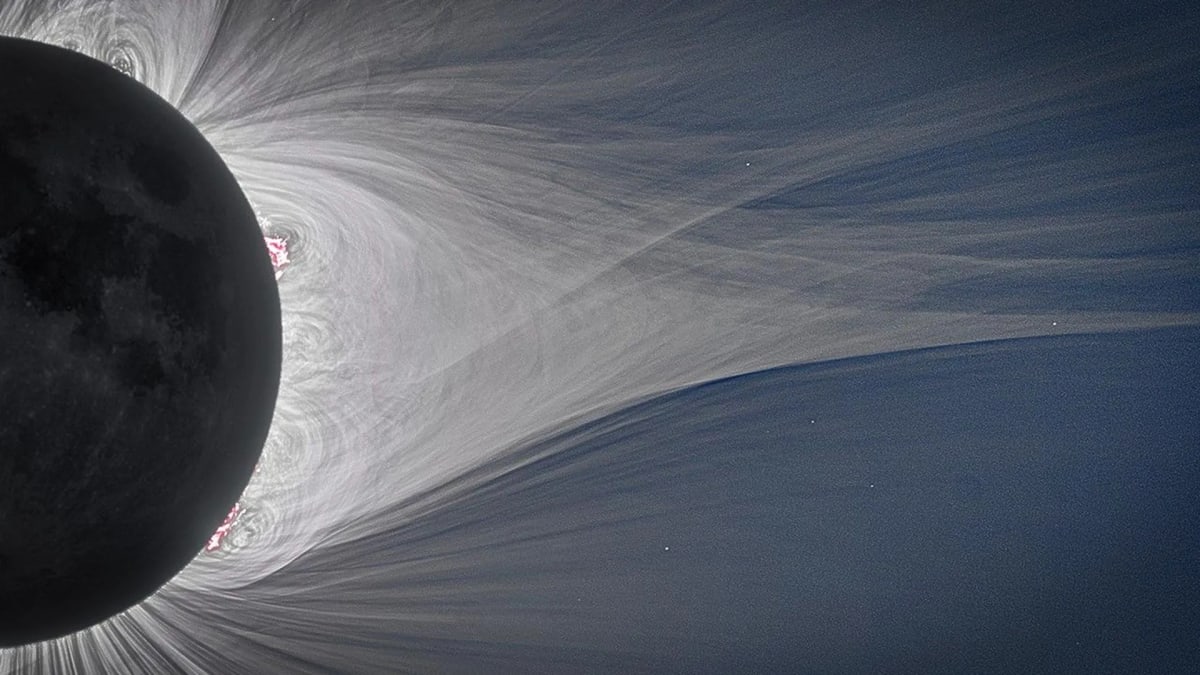
The team traced the burst back to a massive magnetic structure in the Sun's atmosphere called a helmet streamer. These enormous structures can tower above the Sun's surface and trap energetic electrons within powerful magnetic fields, creating the radio signals we detect from Earth.
Three coronal mass ejections from the same solar region likely kept the burst alive for so long. These explosive events release clouds of charged particles and magnetic energy that can travel through space and potentially interfere with satellites, spacecraft, and other technologies orbiting Earth.
The Bright Side
While the radio waves themselves pose no danger to our planet, understanding these prolonged bursts helps scientists better predict when dangerous solar activity might threaten our technology in space. The research team even developed a new technique using STEREO mission data to pinpoint where these bursts originate on the Sun.
The findings, published in Astrophysical Journal Letters, give space weather forecasters a powerful new tool. Better predictions mean better protection for the hundreds of satellites we rely on for GPS, communications, weather monitoring, and scientific research.
This discovery shows how international collaboration between NASA and ESA missions can unlock solar mysteries that a single spacecraft would miss. Each probe contributed its unique perspective, creating a complete picture of this record-breaking event.
Scientists can now recognize the signs of long-duration solar radio bursts earlier, helping us safeguard the technology that connects our modern world.
Based on reporting by Science Daily
This story was written by BrightWire based on verified news reports.
Spread the positivity!
Share this good news with someone who needs it