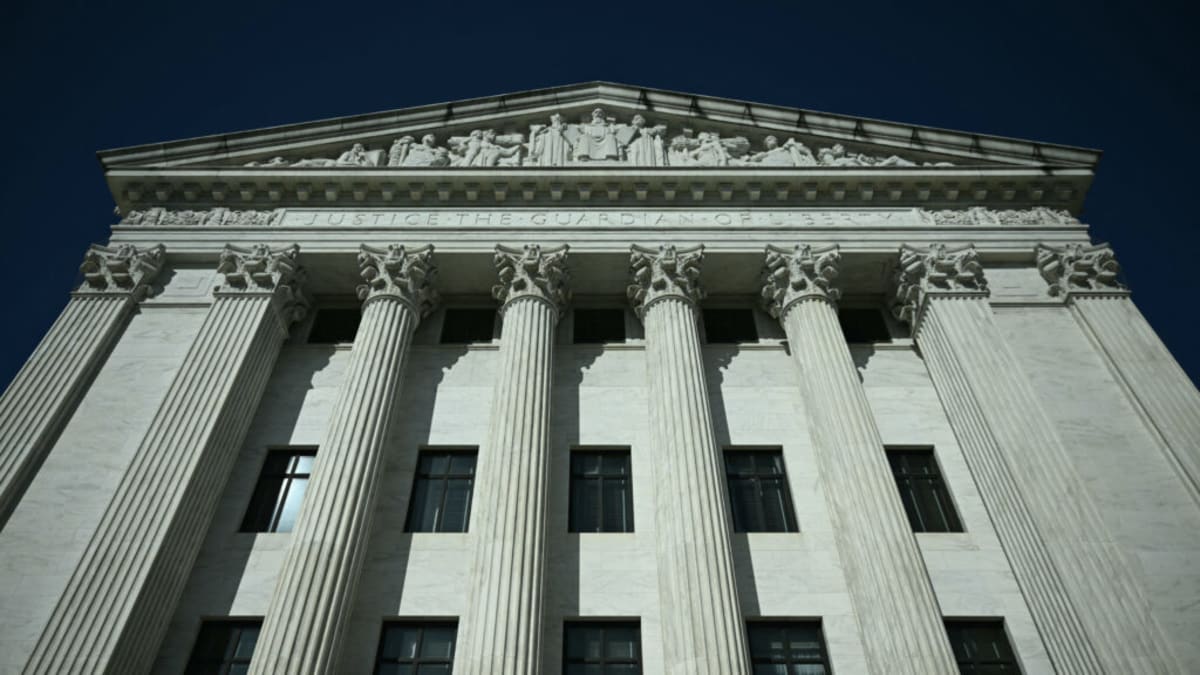
Supreme Court Clears Path for Medicare Drug Negotiations
The Supreme Court rejected challenges from six major drug companies, allowing Medicare to negotiate lower prescription prices for millions of Americans. This landmark decision marks a major victory for affordable healthcare.
Millions of Medicare patients just got powerful backup in the fight for affordable prescription drugs. The Supreme Court on Monday declined to hear challenges from six pharmaceutical giants trying to block Medicare's new power to negotiate drug prices directly.
AstraZeneca, Boehringer Ingelheim, Bristol Myers Squibb, Janssen, Novartis, and Novo Nordisk all attempted to overturn the program through lawsuits. The court's decision not to take up their cases means the negotiation program moves forward as planned.
The program represents the most significant change to Medicare drug pricing in decades. For the first time, the federal government can sit down with pharmaceutical companies and bargain for lower prices on behalf of the 65 million Americans enrolled in Medicare.
Lower courts had already rejected the drugmakers' legal arguments, creating agreement across the judicial system. The Supreme Court typically doesn't intervene when lower courts align on an issue, which made Monday's decision expected but no less impactful.
The pharmaceutical industry spent years fighting this policy through lobbying, advertising campaigns, and ultimately courtroom battles. Their main argument centered on constitutional concerns about being forced to participate in the negotiation process.
The Ripple Effect
This decision affects far more than just courtroom legal precedent. The Congressional Budget Office estimates the negotiation program will save taxpayers nearly $100 billion over the next decade while reducing out-of-pocket costs for patients taking expensive medications.
The first round of negotiations already covered ten high-cost drugs used to treat conditions like diabetes, heart disease, and cancer. Those negotiated prices took effect earlier this year, with more drugs scheduled for negotiation in upcoming rounds.
States and private insurers are watching closely too. Many hope Medicare's negotiating power will create pressure that lowers drug prices across the entire healthcare system, benefiting Americans beyond just those on Medicare.
Patient advocacy groups celebrated Monday's news as validation that affordable medication access matters more than pharmaceutical profit margins. They've pointed to stories of people rationing insulin or skipping doses of heart medication because of cost barriers.
The negotiation program doesn't cap what companies can charge private insurers or cash-paying customers. But it does establish a benchmark that other payers can reference when conducting their own price discussions.
Healthcare policy experts note this represents a fundamental shift in how America approaches prescription drug costs. For decades, Medicare was legally prohibited from negotiating prices, even as it became one of the world's largest drug purchasers.
With the legal challenges exhausted, the focus now turns to implementation and measuring real-world savings for patients and the healthcare system.
More Images




Based on reporting by STAT News
This story was written by BrightWire based on verified news reports.
Spread the positivity!
Share this good news with someone who needs it