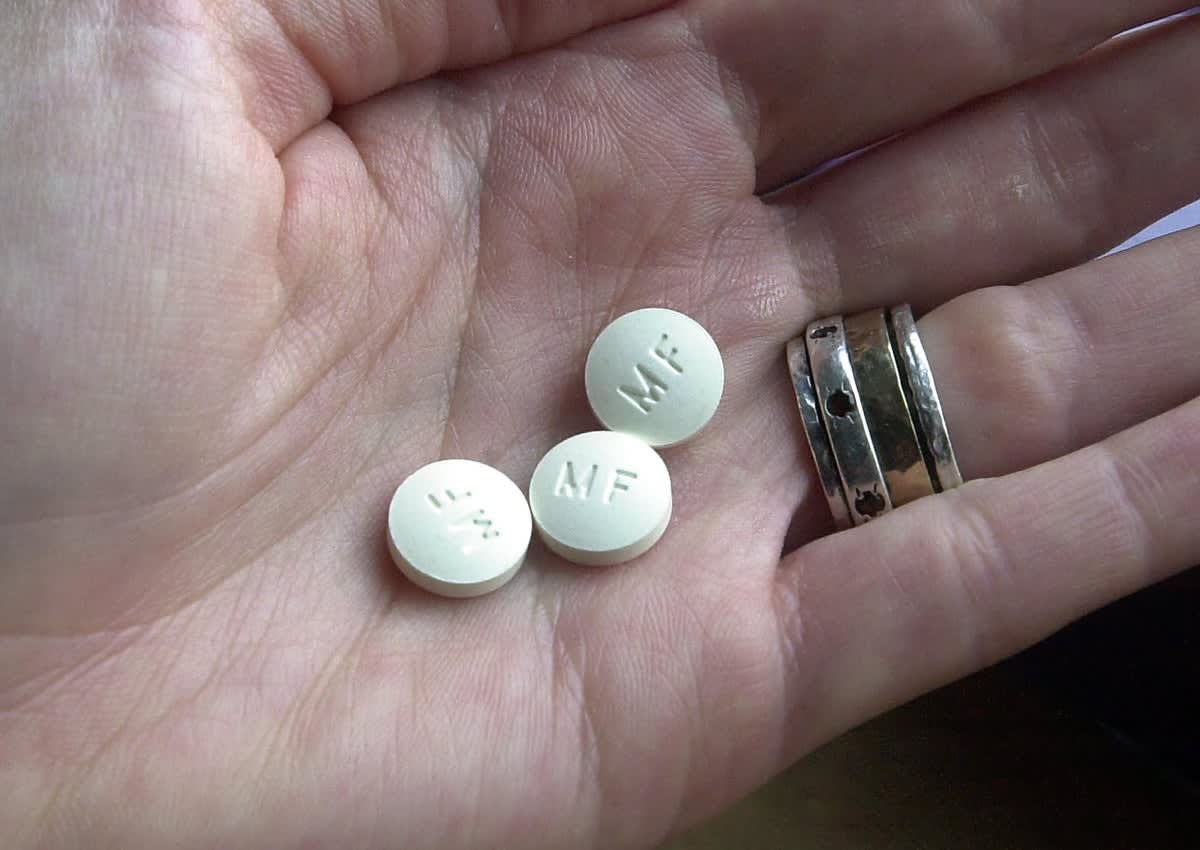
Supreme Court Restores Abortion Pill Access Nationwide
The Supreme Court stepped in Monday to restore access to mifepristone by mail, pausing a lower court ban that blocked telehealth prescriptions. The move gives millions of people continued access to safe medication while the case moves forward.
Patients across America can once again receive mifepristone by mail after the Supreme Court paused a lower court ruling that had banned telehealth prescriptions. The decision, issued Monday by Justice Samuel Alito, ensures access continues at least through May 11 while the nation's highest court considers the case.
The legal battle centers on a 2025 lawsuit by Louisiana challenging FDA rules that let healthcare providers prescribe mifepristone through telemedicine to patients anywhere in the country. An appeals court had halted those prescriptions on May 1, but drugmakers Danco and GenBioPro filed emergency requests to restore access.
The FDA first approved mifepristone for medical abortions in 2000 and has consistently declared it safe when taken according to medical guidelines. One study this year reviewed thousands of pages of FDA documents and found the agency's approval process was cautious and guided by sound science.
"This entire case and process is all unnecessary, because mifepristone has long been proven to be safe and effective," says Dr. Aishat Olatunde, a board-certified obstetrician-gynecologist. Her confidence reflects decades of medical evidence showing the drug works safely for patients.
The Ripple Effect
The Supreme Court's action means healthcare providers can continue offering essential care to patients in all 50 states, including those living far from clinics. Telehealth access has become especially vital for people in rural areas or states with restrictive abortion laws who need medical care.
The American Civil Liberties Union called the development "positive" while noting the uncertainty isn't over. Legal briefs are due Thursday, after which the Court will decide its next steps in a case affecting millions of Americans' access to reproductive healthcare.
For patients navigating rapidly changing rules, the temporary restoration offers stability. Healthcare providers can continue prescribing and shipping medication without interruption while courts work through the legal questions.
Dr. Olatunde expressed hope the Supreme Court will prioritize what's best for people seeking medical care, even as the legal process continues with its inevitable uncertainty.
More Images


Based on reporting by Scientific American
This story was written by BrightWire based on verified news reports.
Spread the positivity!
Share this good news with someone who needs it