Surabaya Pilots River Cleanup to Stop Ocean Plastic
Indonesia's second-largest city is leading a groundbreaking program to catch plastic before it reaches the ocean, starting with two local rivers. With support from the UAE and UN, Surabaya will show four other cities how community action can turn the tide on water pollution.
Indonesia just took a major step in the fight against ocean plastic, and it starts in the rivers of Surabaya.
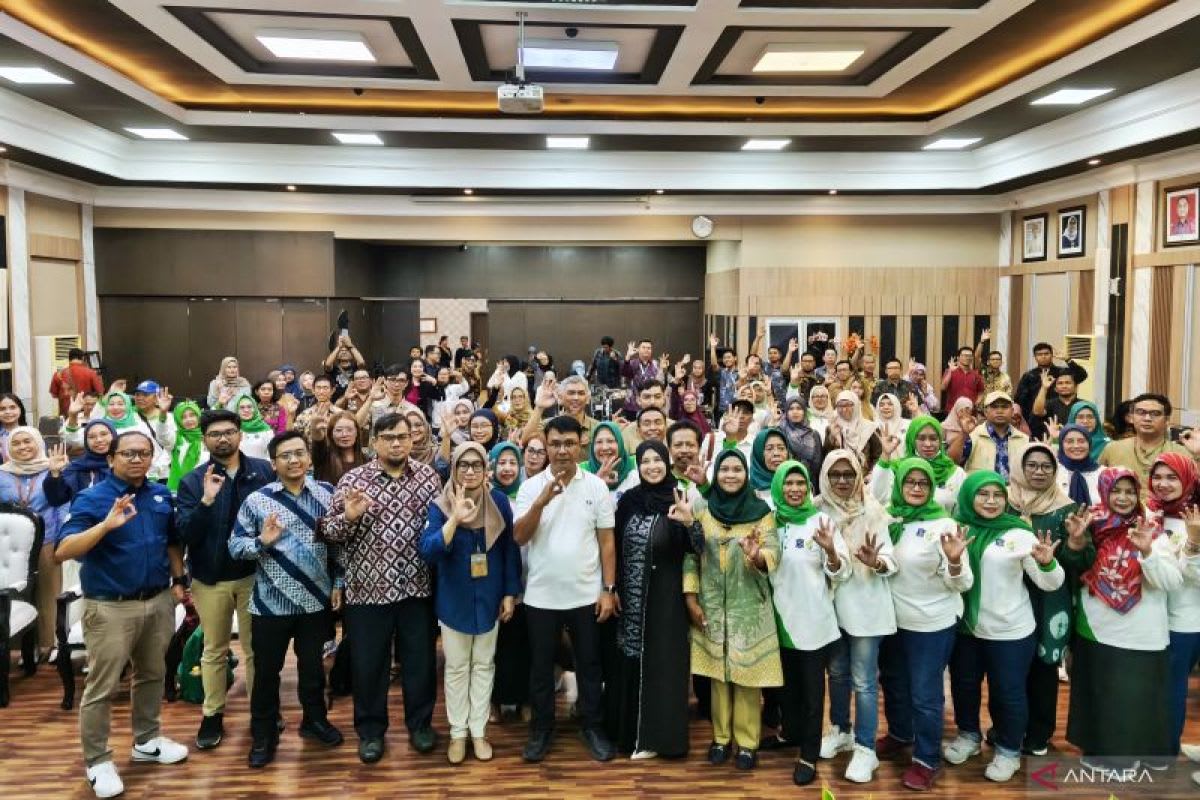
The city in East Java has been chosen as the first location for a new national program that stops plastic waste before it flows from rivers into the sea. The Coordinating Ministry for Food Affairs launched the initiative Friday with backing from the United Arab Emirates and implementation support from the United Nations Development Programme.
Surabaya earned the pilot spot because residents were already tackling the problem themselves. The city has multiple community-led waste management programs already up and running, giving the national effort a strong foundation to build on.
The program kicks off on two rivers, the Tebu and Mrutu, before expanding to four other Indonesian locations: Sidoarjo, Solo, Bekasi, and Bali. Teams will clean existing waste, install filtration systems, map where trash enters waterways, and teach residents to sort recyclables at home.
But cleanup is just the beginning. Ahmad Didin, Assistant Deputy for Circular Economy at the ministry, explained the real goal is changing daily habits so waste never reaches the water in the first place.
The Ripple Effect
This isn't just about cleaner rivers in one city. Surabaya's success will create a blueprint that any Indonesian community can follow, potentially transforming how millions of people handle waste.
The program addresses a critical need. Over 70 percent of Indonesian rivers are moderately polluted, according to recent ministry data, with plastic waste a major contributor to both freshwater contamination and ocean pollution.
Sri Murwani Nurfadhila Astuti, who leads the Community Behavioral Change Working Group at the Ministry of Environment, said residents hold the key. When people reduce and sort waste at home, it creates economic value through recycling while protecting the ecosystems that communities depend on.
The partnership brings together local action and international support in a model designed for long-term change. As Surabaya residents clean their rivers and shift their habits, they're not just improving their own waterways but lighting the path for coastal cities worldwide facing the same challenge.
Four more Indonesian cities are watching closely, ready to follow Surabaya's lead.
Based on reporting by Google News - Plastic Reduction
This story was written by BrightWire based on verified news reports.
Spread the positivity!
Share this good news with someone who needs it