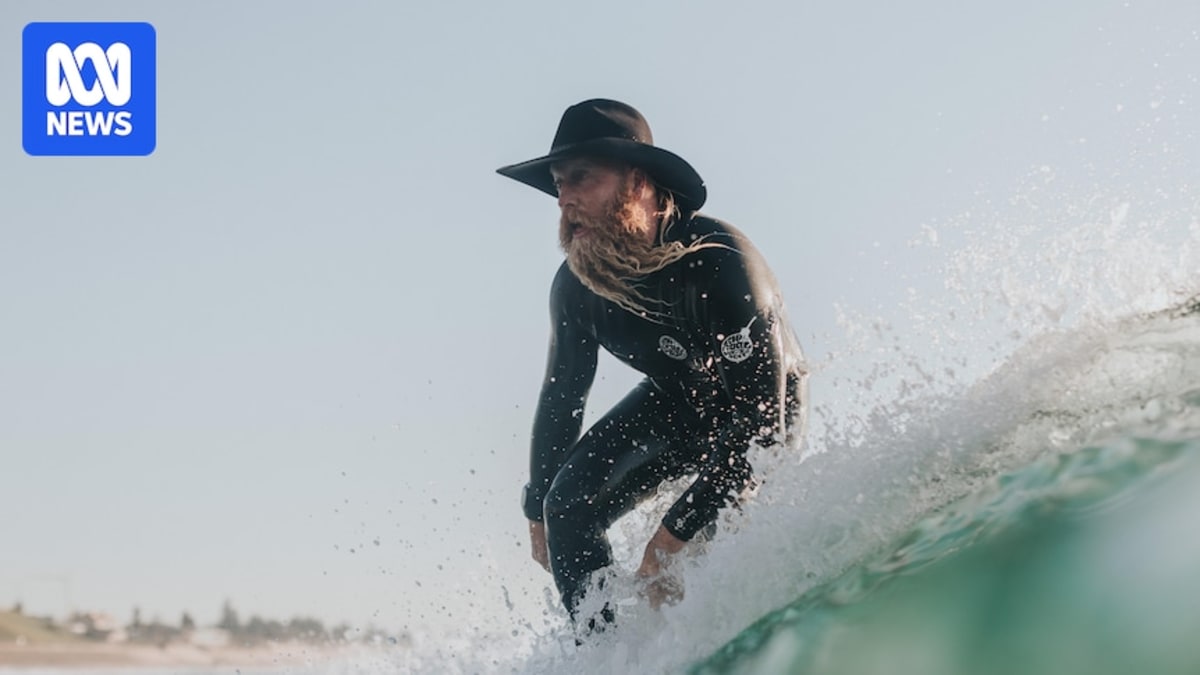
Surf Coach Turns Dad's Suicide Into Mental Health Mission
After losing his father to suicide, former pro surfer Blake Johnston transformed his grief into a global mental health advocacy movement. Through world record surfing challenges and community events, he's turning his darkest moment into hope for others.
When Blake Johnston's father died by suicide, the former pro surfer lost his hero and best mate. The Cronulla surf coach spent five years struggling with intense grief, anxiety, and questions that would never have answers.
But something unexpected happened through that pain. Blake transformed into what he calls a better person, discovering a passion for helping others navigate their own mental health struggles.
His journey reflects what researchers call post-traumatic growth, a psychological transformation that can follow trauma. The concept has existed since the mid-1990s, but it's still widely misunderstood.
"It's about recognizing there may be positive transformations after a traumatic experience," says Louise Harms, who researches trauma and grief at the University of Melbourne. These positive elements can anchor recovery, though they never erase the pain.
Blake's own mental health issues surfaced during his grief. He noticed himself checking bank accounts seven times daily, lying awake consumed by thoughts of not being good enough. Recognizing these patterns became the first step toward change.
Research shows grief from suicide loss carries unique weight. Children of parents who die by suicide face three times higher risk of dying the same way. The uncertainty creates lasting pain, Blake says, because you never get all the answers about what you could have done differently.
Why This Inspires
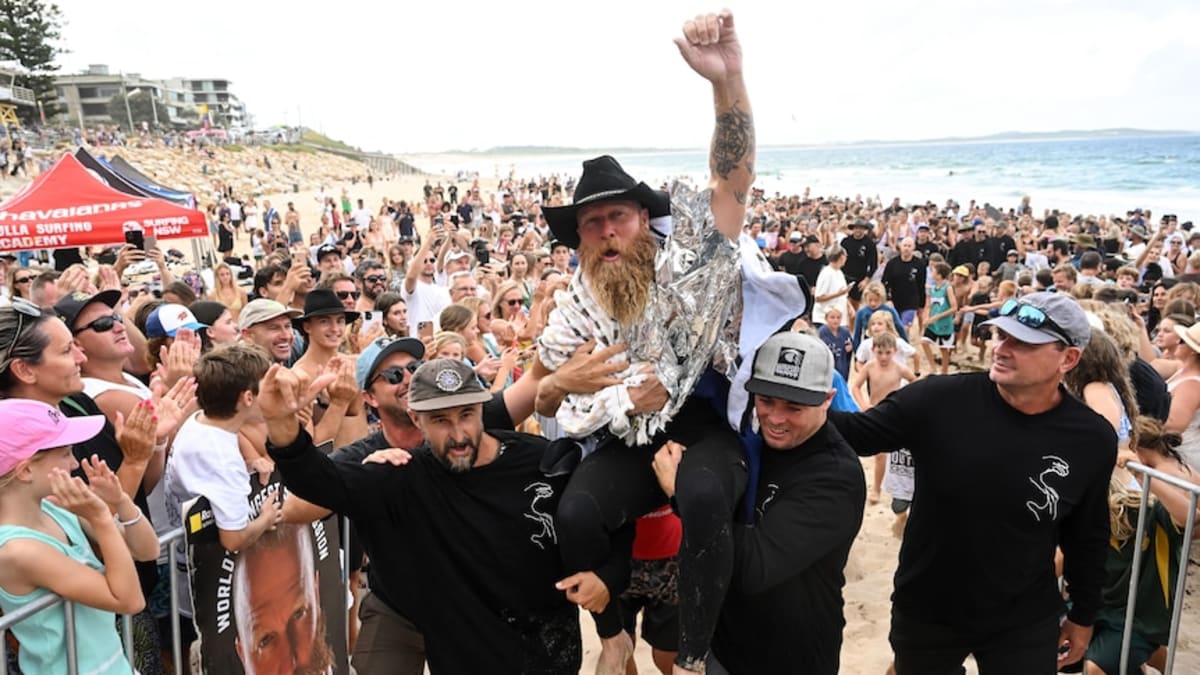
Blake channeled his grief into action by organizing the world's largest paddle out at Cronulla Beach. He's smashed three world records through surfing challenges, each one raising awareness for mental health support.
His message resonates because he's honest about the struggle. Post-traumatic growth doesn't happen to everyone, and researchers emphasize that's completely normal. Between 20 and 50 percent of people experience this transformation after trauma, meaning most don't.
"It doesn't mean there is something wrong with them," says Karl Andriessen, a mental health researcher at the University of Melbourne. Growth isn't required for healthy grief processing.
Even for those who do experience growth, the trauma remains alive in daily life. Blake still carries the pain of losing his father. But he's found purpose in honoring his dad's memory through helping others.
"The worst thing that's ever happened to me is going to help make the world a better place too, just like my dad did," Blake says.
His advocacy work now reaches people worldwide, proving that transformation and pain can coexist. Blake isn't glad his father died, but he's channeling that loss into preventing others from experiencing the same tragedy.
More Images


Based on reporting by ABC Australia
This story was written by BrightWire based on verified news reports.
Spread the positivity!
Share this good news with someone who needs it
%2Ffile%2Fattachments%2F2997%2FAparticipantisseenduringthesecondeveningoftheSilentSardiniaFestivalwithaneventdedicatedtoyogaandmeditationonAugust012021inSantaTeresadiGalluraItaly_390346.jpg)