Surgeon Removes Cancer From 1,500 Miles Away Using Robot
A London surgeon successfully removed a patient's prostate cancer while controlling a robot from 1,500 miles away in Gibraltar. The breakthrough surgery means patients could soon receive specialized care without leaving their local hospitals.
Paul Buxton woke up from surgery expecting a long recovery far from home, but instead he was already there.
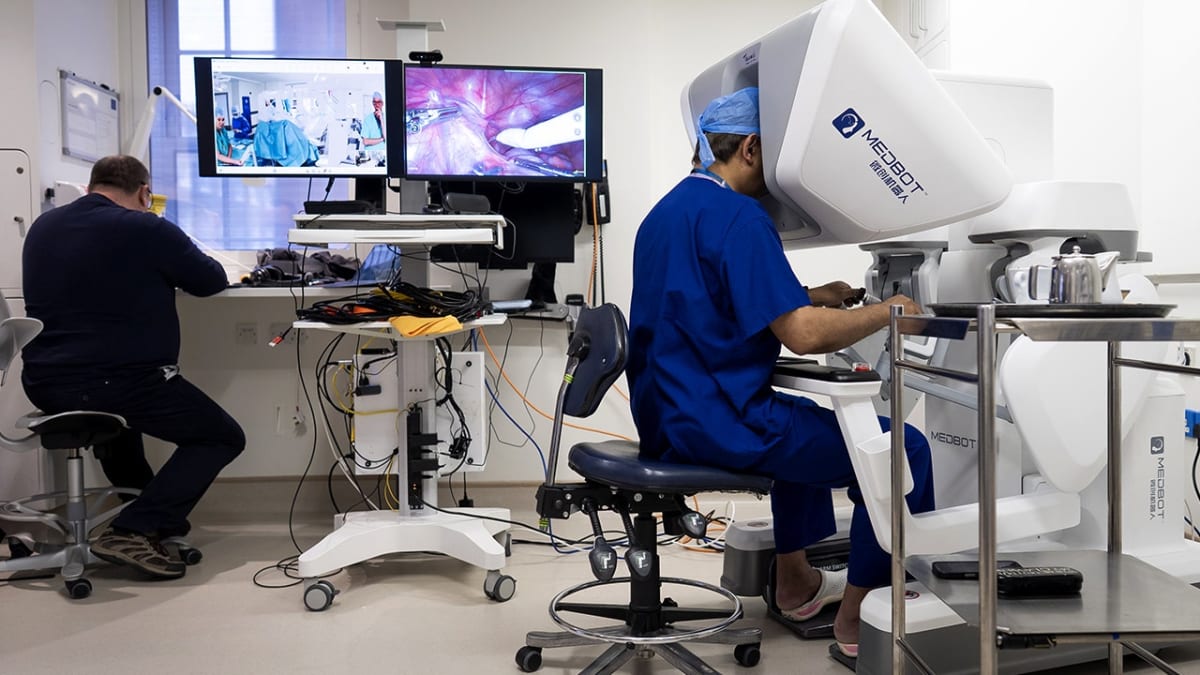
The 62-year-old Gibraltar resident just became the first patient in U.K. history to undergo remote robot-assisted surgery. Professor Prokar Dasgupta operated from The London Clinic's control center while Buxton remained in his local hospital at St Bernard's in Gibraltar.
The surgeon controlled four robotic arms, a high-definition 3D camera, and specialized surgical tools through a secure fiber optic network. Every movement from Dasgupta's hands traveled nearly 1,500 miles to the surgical robot with only 48 milliseconds of delay. That's fast enough to feel almost real-time, which matters tremendously when removing cancerous tissue with millimeter precision.
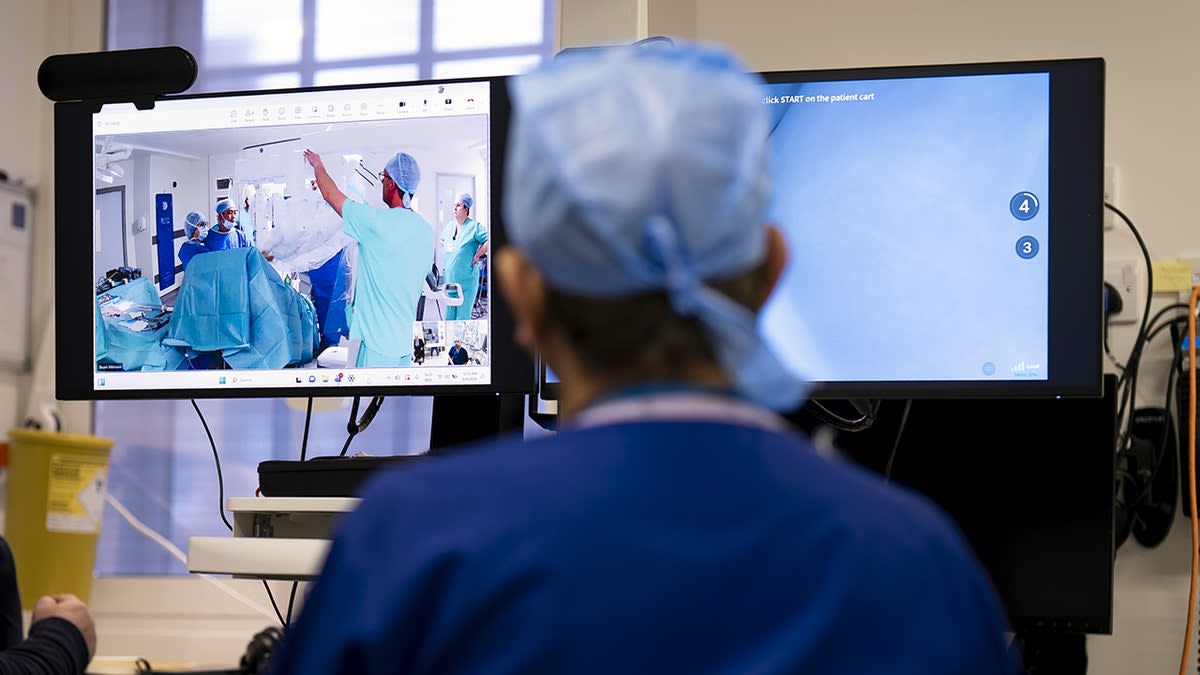
Local surgeons James Allen and Paul Hughes stood ready throughout the procedure in case the connection failed or complications arose. Neither happened. The operation went smoothly, and Buxton felt fantastic within days.
Buxton had originally planned to travel to London for his prostate cancer surgery, facing the usual challenges that patients in remote areas know well. Long waiting lists, expensive travel costs, and weeks away from family and home would have been unavoidable. This technology changed everything for him.
The surgery used the Toumai robotic system developed by MicroPort MedBot, designed specifically for minimally invasive procedures. Robotic surgery isn't new, but performing it across international borders with this level of success represents a major shift from experimental to practical.
The Ripple Effect
This single operation could transform healthcare access for millions living far from specialized medical centers. Patients in rural areas, small islands, or remote regions often face impossible choices between traveling hundreds of miles for treatment or going without.
Remote robotic surgery removes that burden. A surgeon in New York could operate on patients in Alaska. Specialists in major cities could serve entire regions without patients ever leaving their communities. The technology also means families stay together during medical crises instead of splitting up for weeks.
The hospitals plan to demonstrate the technology to thousands of surgeons at the upcoming European Association of Urology Congress through a live-streamed telesurgery. That kind of sharing accelerates adoption and improvement.
Challenges remain, of course. Hospitals need ultra-reliable networks, robotic systems cost millions, and regulations around cross-border surgery require updating. Local surgical teams must always be present as backup.
But those are solvable problems, and hospitals worldwide are already working on solutions. Remote robotic surgeries have successfully connected Rome and Beijing, and surgeons have completed similar procedures in parts of Africa using the same platform.
For Buxton, the future of medicine arrived just in time, bringing world-class cancer treatment to his doorstep instead of making him travel to find it.
More Images

Based on reporting by Fox News Tech
This story was written by BrightWire based on verified news reports.
Spread the positivity!
Share this good news with someone who needs it

.jpg)