Surgery Recovery Better with Mental Health Care
A groundbreaking study shows that patients who talk with mental health professionals before surgery recover significantly better than those who don't. Simple phone sessions cut anxiety and depression by notable amounts.
Getting your mind ready for surgery might be just as important as getting your body ready, according to a new study that could change how hospitals prepare patients.
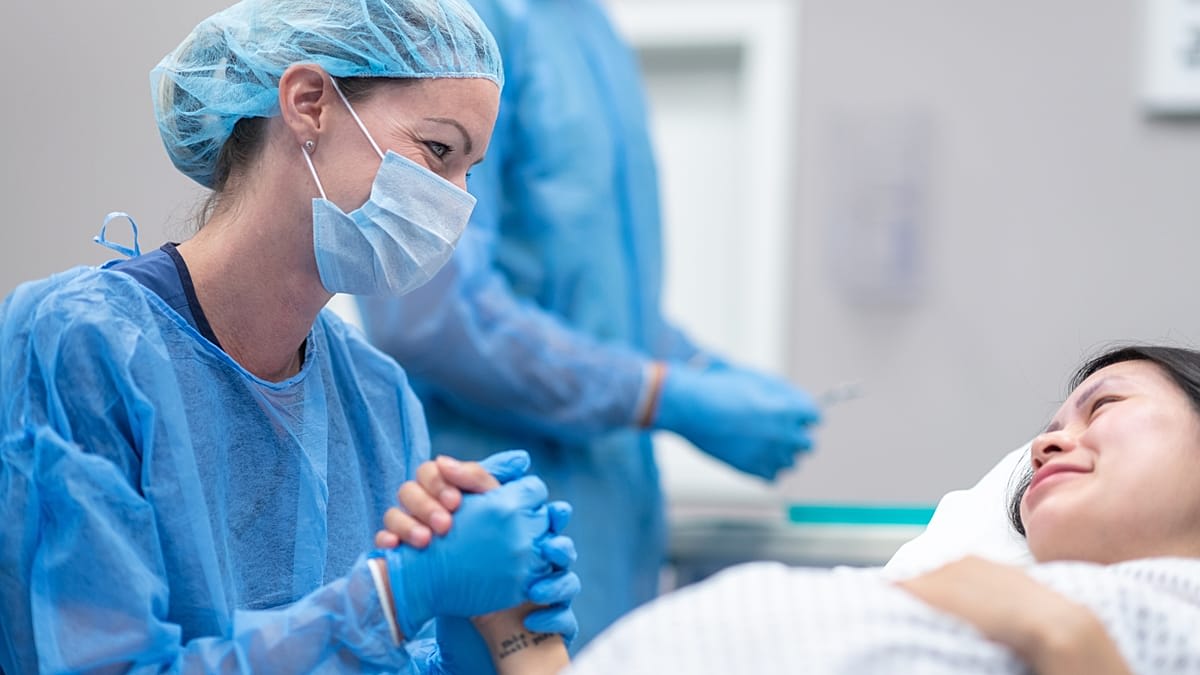
Researchers studied 306 adults over 60 facing major heart, cancer, or orthopedic surgeries. Half received only reading materials about surgery prep, while the other half talked with trained mental health counselors over eight to 12 phone sessions before their operations.
The difference was striking. Three months after surgery, patients who talked with mental health professionals showed 2.2 to 2.5 points greater improvement in anxiety and depression symptoms on a 48-point scale. Cancer surgery patients saw the biggest boost, scoring nearly five points better than those who only got educational pamphlets.
The mental health group also received personalized medication reviews from pharmacists, who helped eliminate unnecessary prescriptions and adjusted doses safely. Patients loved this extra attention and reported feeling more confident heading into surgery.
"The stress of surgery can worsen anxiety and depression symptoms and affect patients' recovery and overall health," said study author Joanna Abraham. Most hospitals focus only on physical preparation, missing a crucial piece of the recovery puzzle.
Why This Inspires
This research proves something hospitals have long overlooked: your mental state before surgery matters enormously. What makes it even better is how practical it is. The care happened over the phone, fitting easily into busy lives and hospital schedules.
Senior author Eric Lenze put it simply: "We recognize the importance of getting the body into shape before surgery, but preparing the mind and the brain is just as important." This holistic approach treats patients as whole people, not just bodies on operating tables.
The best part? Hospitals can start doing this tomorrow. No expensive equipment needed, no complicated procedures. Just caring professionals making phone calls to nervous patients, helping them face surgery with calmer minds and better outcomes.
The study, published in JAMA Network Open, shows that proactive mental health care doesn't burden the hospital system. It simply works, giving older adults facing scary surgeries a better shot at smoother recoveries and healthier futures.
More Images



Based on reporting by Euronews
This story was written by BrightWire based on verified news reports.
Spread the positivity!
Share this good news with someone who needs it