Svalbard Polar Bears Healthier Despite 100 Fewer Ice Days
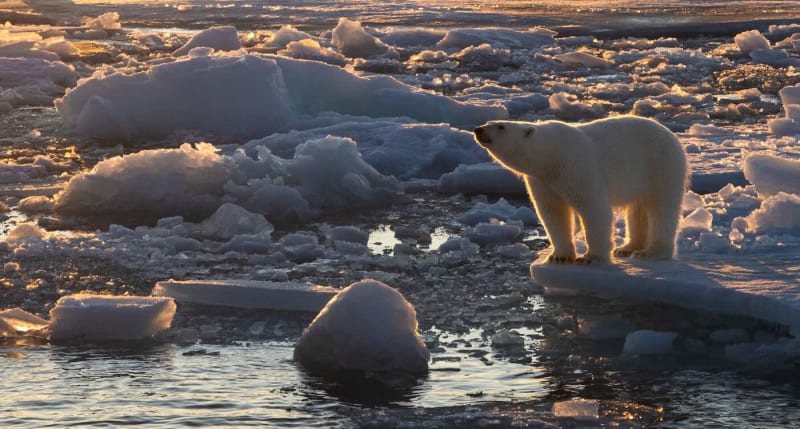
Polar bears near Norway's Svalbard islands are in better physical shape today than 25 years ago, even as sea ice vanished for 100 additional days per year. The surprising discovery challenges assumptions about climate change impacts on Arctic wildlife.
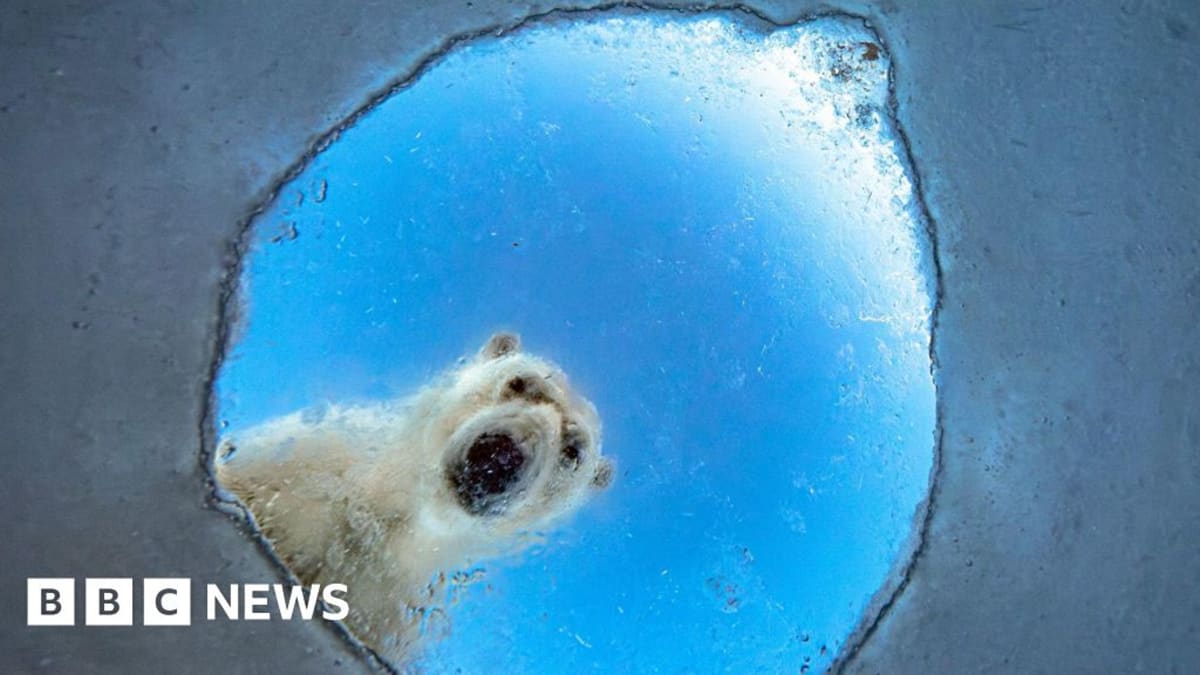
Polar bears living near Norway's Svalbard islands have fatter, healthier bodies now than they did in the 1990s, despite losing nearly four months of sea ice habitat over the past three decades.
Scientists at the Norwegian Polar Institute measured 770 adult polar bears between 1992 and 2019, tracking their body fat reserves as the Arctic warmed. They expected declining health as ice disappeared, but the data showed the opposite.
Dr. Jon Aars and his team found that polar bear body condition actually improved after 2000, the same period when ice-free days increased by roughly 100. The region's 2,650 polar bears maintained stable population numbers while growing healthier.
The researchers point to two main reasons for this unexpected resilience. First, land-based prey like reindeer and walrus have bounced back after decades of human overhunting ended. These animals now provide alternative food sources when ice hunting isn't possible.
Second, shrinking sea ice may have inadvertently made polar bears better hunters. As ice retreats, ringed seals crowd onto smaller ice patches, potentially making them easier targets for hungry bears.
The study, published in Scientific Reports, contrasts sharply with declining polar bear populations elsewhere in the Arctic. Temperature increases in the Barents Sea around Svalbard have reached two degrees Celsius per decade since 1980, yet these particular bears adapted.
The Bright Side
This research reveals something hopeful about nature's resilience. While climate change remains a serious threat to polar bears worldwide, the Svalbard population shows that recovery is possible when multiple factors align. Ending human exploitation of prey species created breathing room for these iconic predators to adjust to their changing environment.
The findings also demonstrate how conservation efforts can create unexpected benefits. Protecting walrus and reindeer populations decades ago is now helping polar bears survive warming temperatures.
Dr. Aars cautions that continued ice loss could eventually overwhelm these advantages. If bears must travel too far to reach hunting grounds, their improved body condition may not last. The team emphasizes that more research is needed to understand whether other polar bear populations can adapt similarly.
For now, though, Svalbard's polar bears offer a rare piece of encouraging news from the Arctic, proving that wildlife can sometimes surprise us with their ability to adjust when given the chance.
More Images



Based on reporting by Good News Network
This story was written by BrightWire based on verified news reports.
Spread the positivity!
Share this good news with someone who needs it