Svalbard Polar Bears Thrive Despite Melting Sea Ice
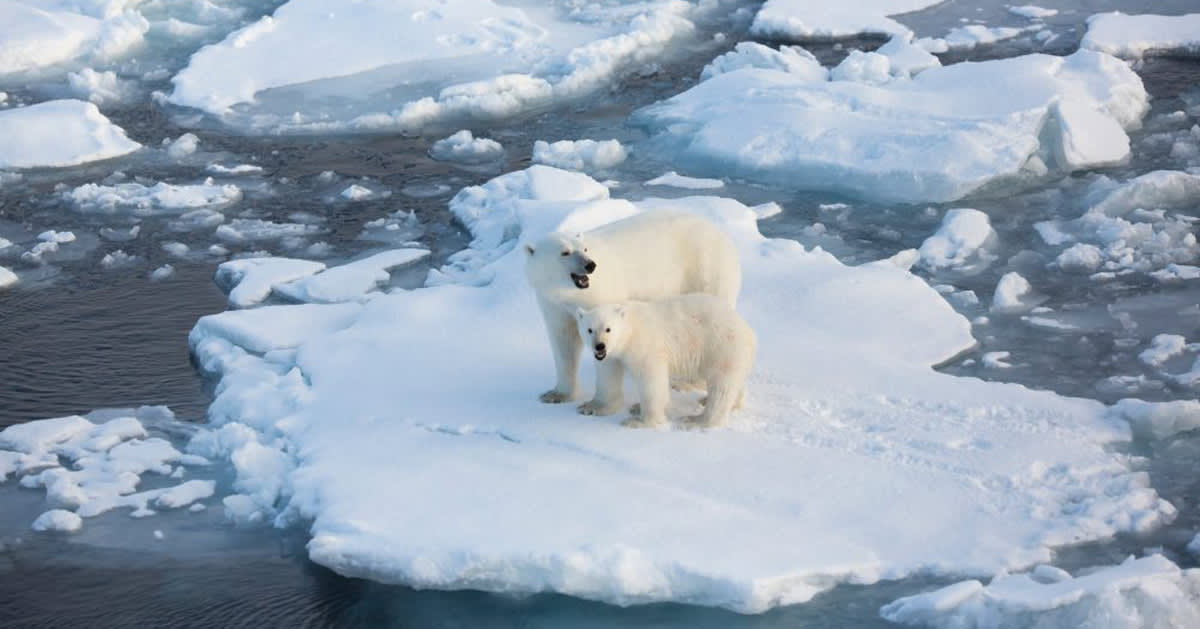
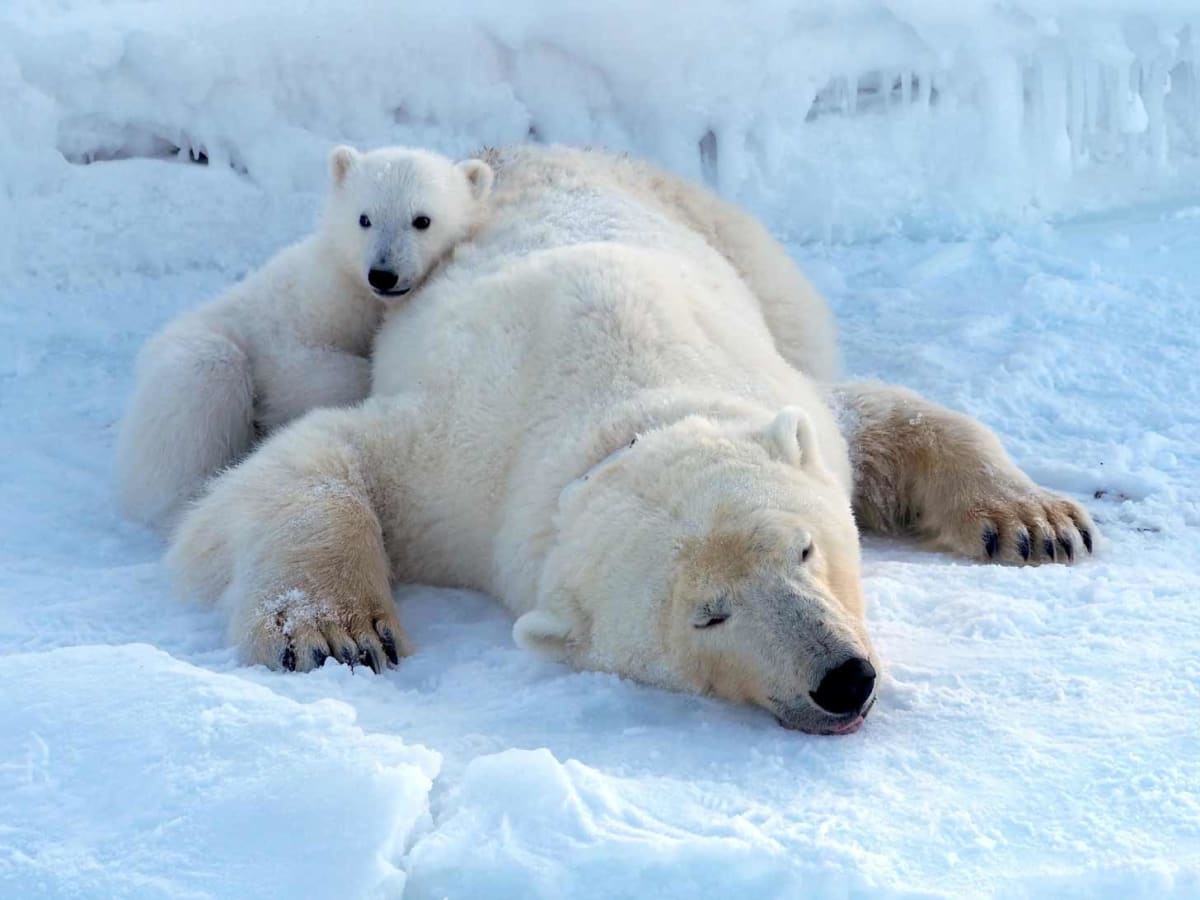
Scientists tracked 770 polar bears for 24 years in Norway's Svalbard archipelago and found something unexpected: despite rapidly melting sea ice, the bears maintained healthy body conditions. Their secret might be adapting their diet and hunting strategies.
Polar bears on melting ice have become the face of climate change, but one population in Norway is rewriting that story with surprising resilience.
Researchers spent 24 years measuring 770 polar bears in Svalbard, a Norwegian archipelago in the Barents Sea, expecting to see the animals grow weaker as sea ice disappeared. Instead, the bears stayed healthy and maintained good body condition throughout the study period.
The findings don't mean climate change isn't a threat to polar bears. It does suggest these particular animals have found ways to adapt that scientists are only beginning to understand.
The bears didn't ignore the habitat loss entirely. Some relocated their dens or shifted territories to follow the receding ice, showing they're actively responding to environmental changes.
Jon Aars, a senior researcher at the Norwegian Polar Institute, believes diet shifts explain the surprising results. With less ice available, seals cluster together on remaining ice patches, potentially making them easier to hunt.
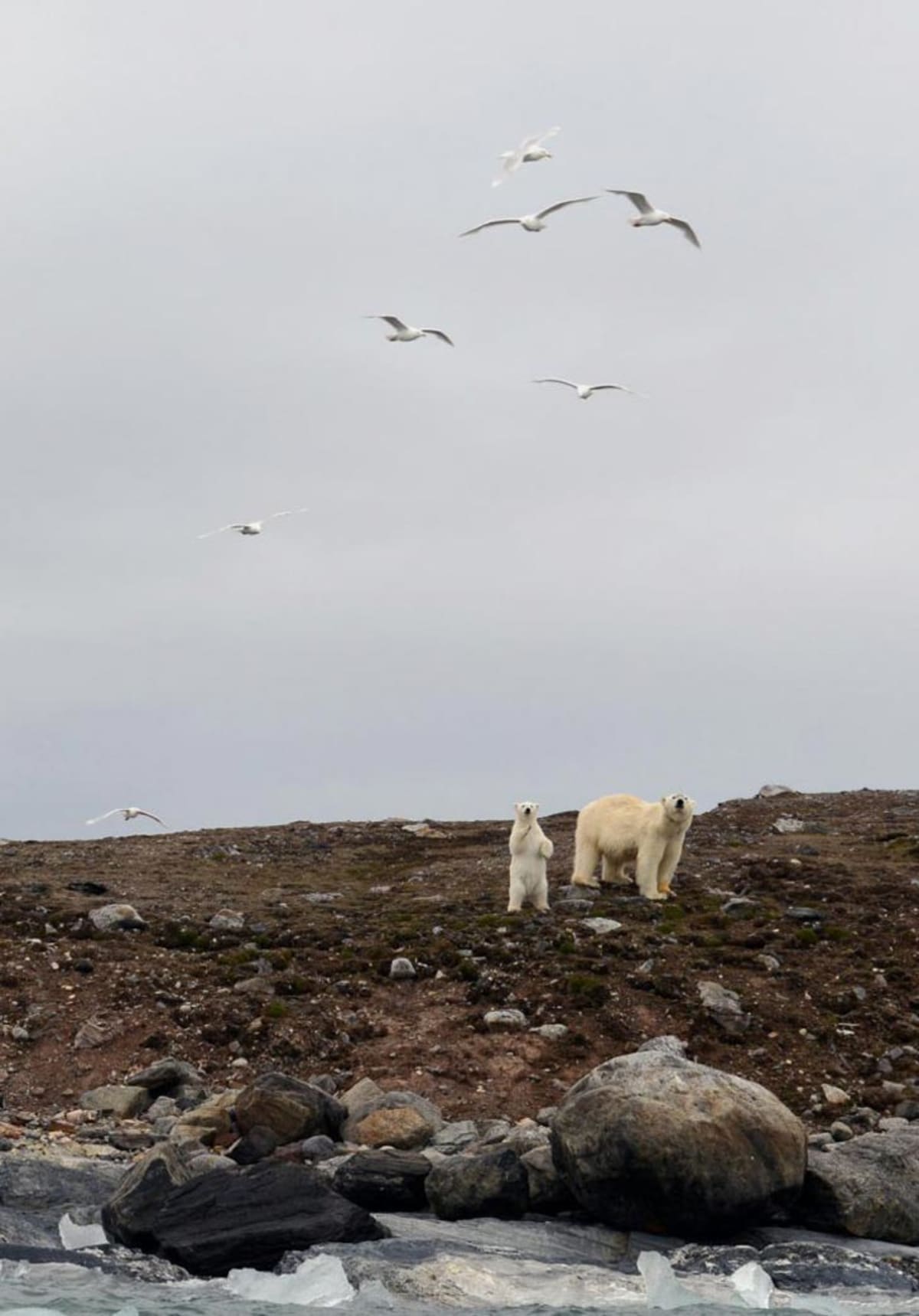
The bears have also diversified their menu beyond traditional seal hunting. Researchers now regularly observe them eating bird eggs, hunting reindeer, and scavenging walrus carcasses.
"They have a shorter season for hunting ringed seals on the ice, but they make up for this by consuming more eggs and birds," Aars explained. Harbor seals, which have become more common in the area, now serve as alternative prey.
Strong protections have also given these bears breathing room to adapt. Hunting has been banned in Svalbard since 1973, and new 2025 regulations require humans to stay at least 300 meters away from polar bears year round.
The Bright Side
Svalbard's bears aren't alone in their resilience. A separate population in the Chukchi Sea between Alaska and Russia has shown similar health maintenance despite substantial sea ice loss.
These observations offer scientists valuable insights into polar bear adaptability across different environments. Lori Quakenbush from Alaska's Arctic Marine Mammal Program notes that continued monitoring will reveal more about what polar bears as a species can withstand.
The researchers emphasize this isn't permission to stop fighting climate change. The next decade could still bring devastating declines if warming continues unchecked.
But Quakenbush offers cautious optimism: "The good news is that we are not there yet."
More Images
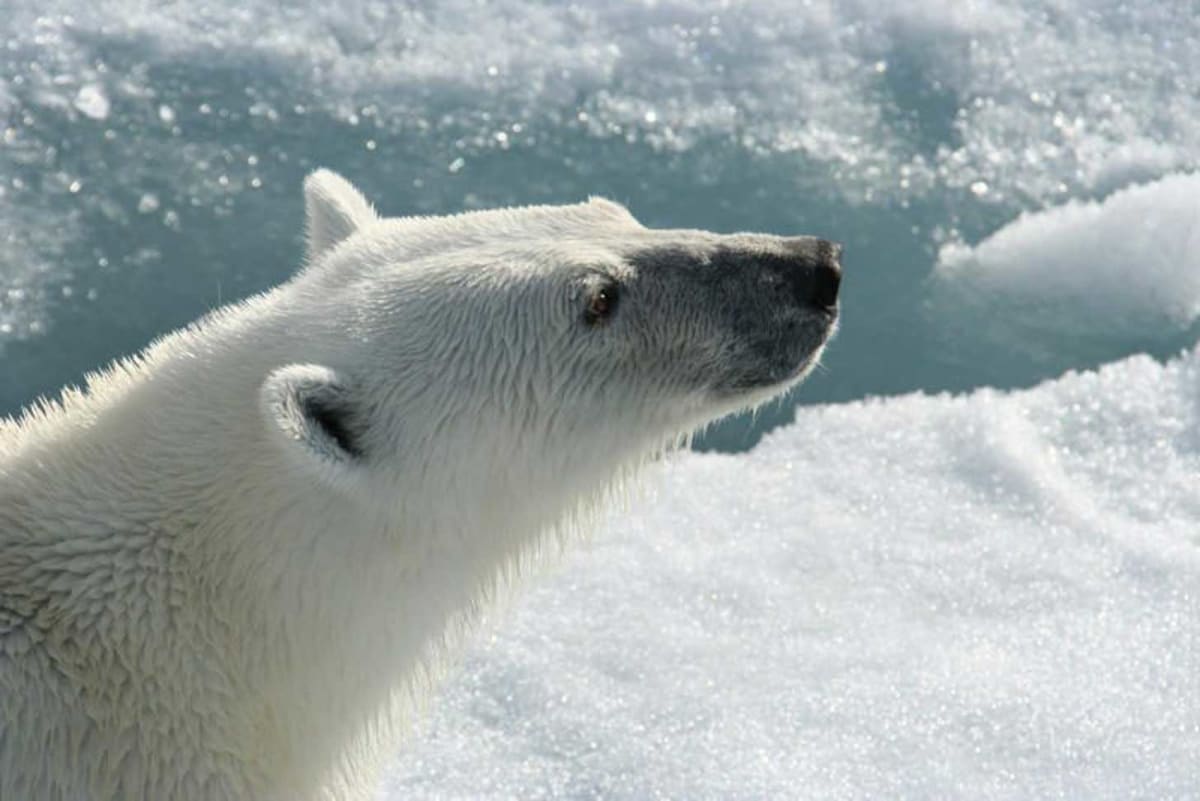

Based on reporting by Good Good Good
This story was written by BrightWire based on verified news reports.
Spread the positivity!
Share this good news with someone who needs it
%2Ffile%2Fattachments%2Forphans%2Fozz1astreetmuralpromotingrhinoconservationinthetownofHluhluweKwaZuluNatalimagetonycarnie_225511.jpg)