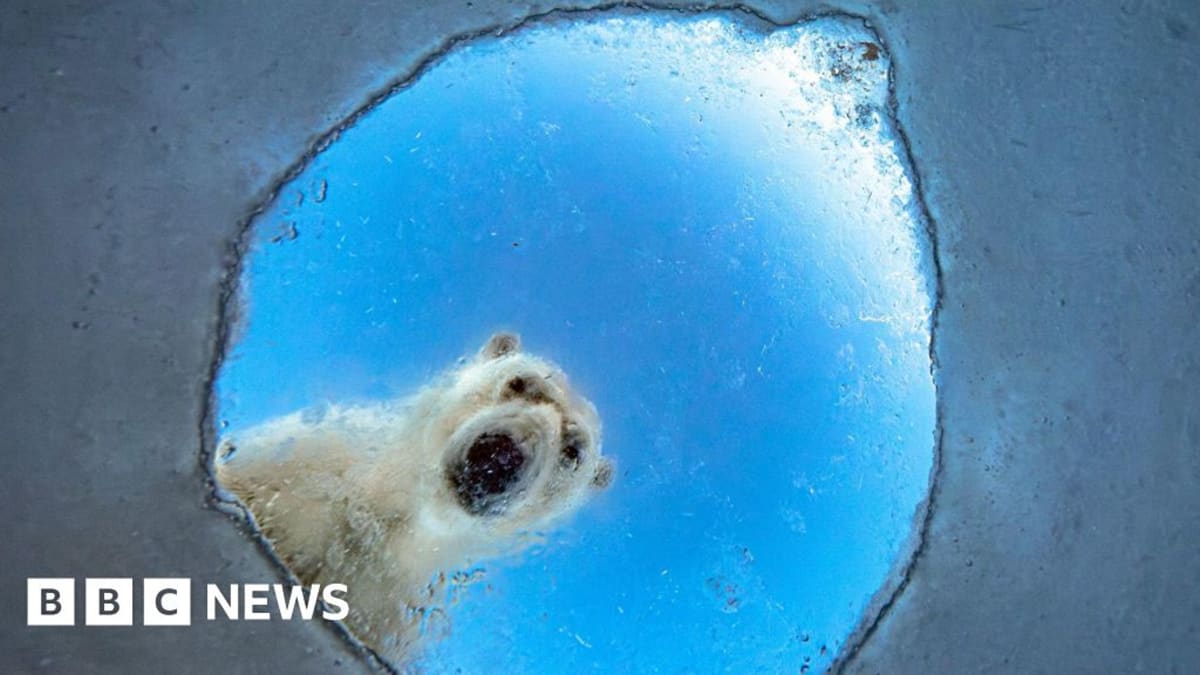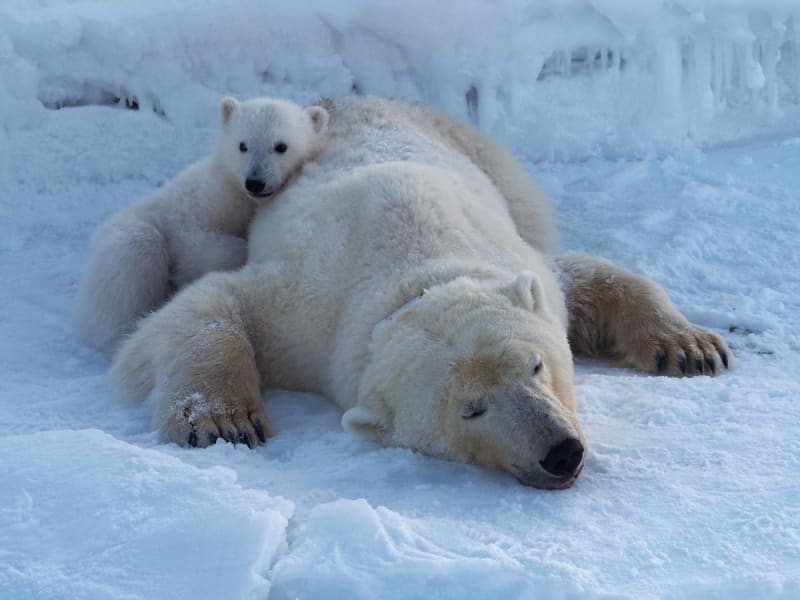
Svalbard Polar Bears Thriving Despite Melting Sea Ice
Scientists tracking 770 polar bears over 24 years discovered something unexpected: the animals are maintaining healthy body conditions even as their Arctic hunting grounds shrink by two months each year. The resilient bears may be adapting their hunting strategies to survive in a rapidly changing world.
Against all predictions, polar bears in Norway's Svalbard archipelago are defying climate change expectations and staying healthy despite dramatic sea ice loss.
Researchers from the Norwegian Polar Institute spent 24 years tracking 770 polar bears across the Barents Sea, taking over 1,000 body measurements to monitor their physical health. By 2019, the region's annual sea ice season had shrunk by more than two months compared to the study's start, yet the bears showed no decline in body condition.
Lead researcher Jon Aars and his team were stunned. They expected the bears' health to deteriorate as their icy hunting platforms disappeared, but instead found the animals in "fairly good" condition throughout the study period from 2000 to 2019.
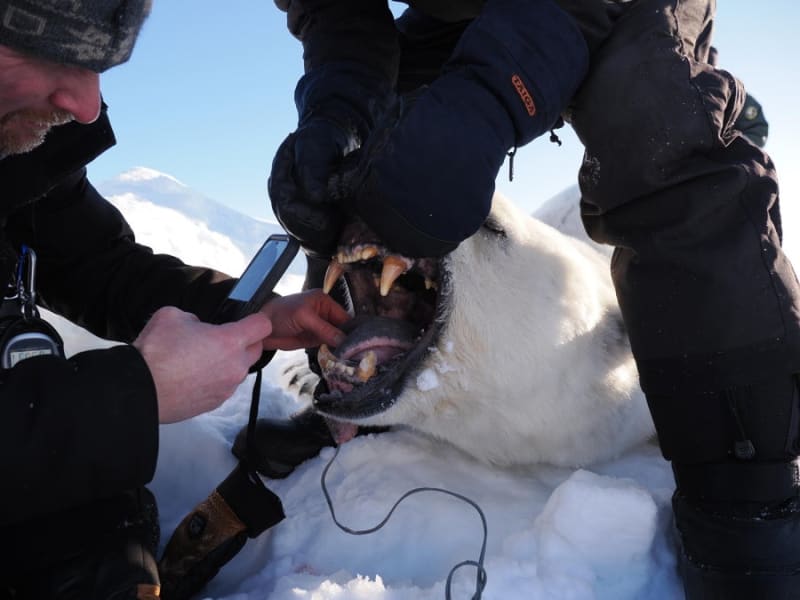
The team used helicopters to track individual bears, periodically darting them to collect measurements that revealed their overall physical fitness. The data painted an unexpected picture of resilience.
Scientists believe the bears may be adapting their hunting strategies to survive. With less ice available, seals might be clustering on the remaining ice patches, making them easier targets. The bears could also be relying more on walrus carcasses and reindeer for food when traditional seal hunting becomes challenging.
The findings echo observations from Alaska and Russia's Chukchi Sea population, where another group of polar bears has maintained strong health despite substantial ice decline. Lori Quakenbush, a researcher at Alaska's Arctic Marine Mammal Program, notes that polar bears exist in a complex relationship with their habitat, multiple prey species, and their remarkable ability to store energy.
The Bright Side
While this research offers genuine hope, scientists emphasize important context. The Svalbard findings don't mean all Arctic polar bears are thriving equally across their range. Some Svalbard bears have already shifted their den locations or moved north to follow receding ice.
Aars cautions that the bears could eventually hit a tipping point where continued ice loss becomes insurmountable. The team will continue monitoring to understand how long this resilience can last and what it reveals about polar bears' adaptive capabilities as a species.
For now, though, these Arctic giants are proving more resourceful than anyone imagined, offering a glimmer of hope in an uncertain future.
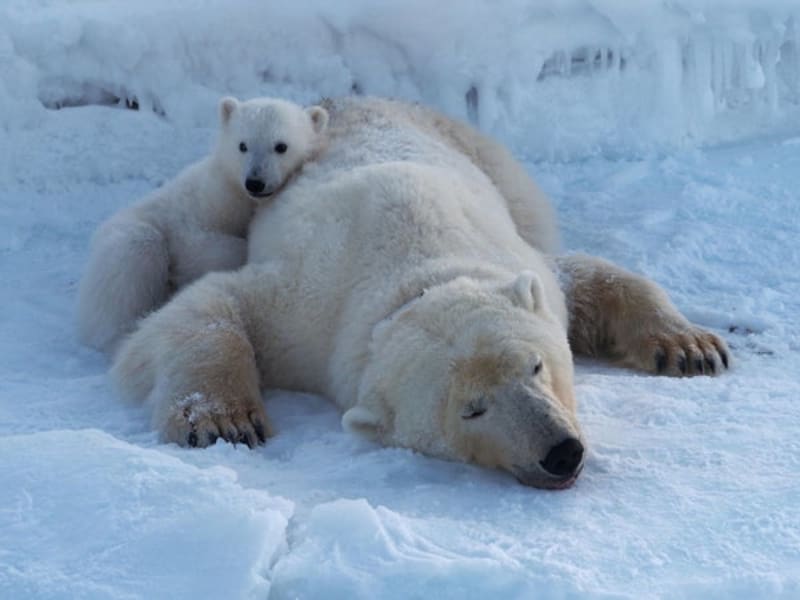
More Images
Based on reporting by Scientific American
This story was written by BrightWire based on verified news reports.
Spread the positivity!
Share this good news with someone who needs it
%2Fhttps%3A%2F%2Ftf-cmsv2-smithsonianmag-media.s3.amazonaws.com%2Faccounts%2Fheadshot%2FSara_-_Headshot_thumbnail.png)