Swans Return to Xinjiang Wetland After Conservation Win
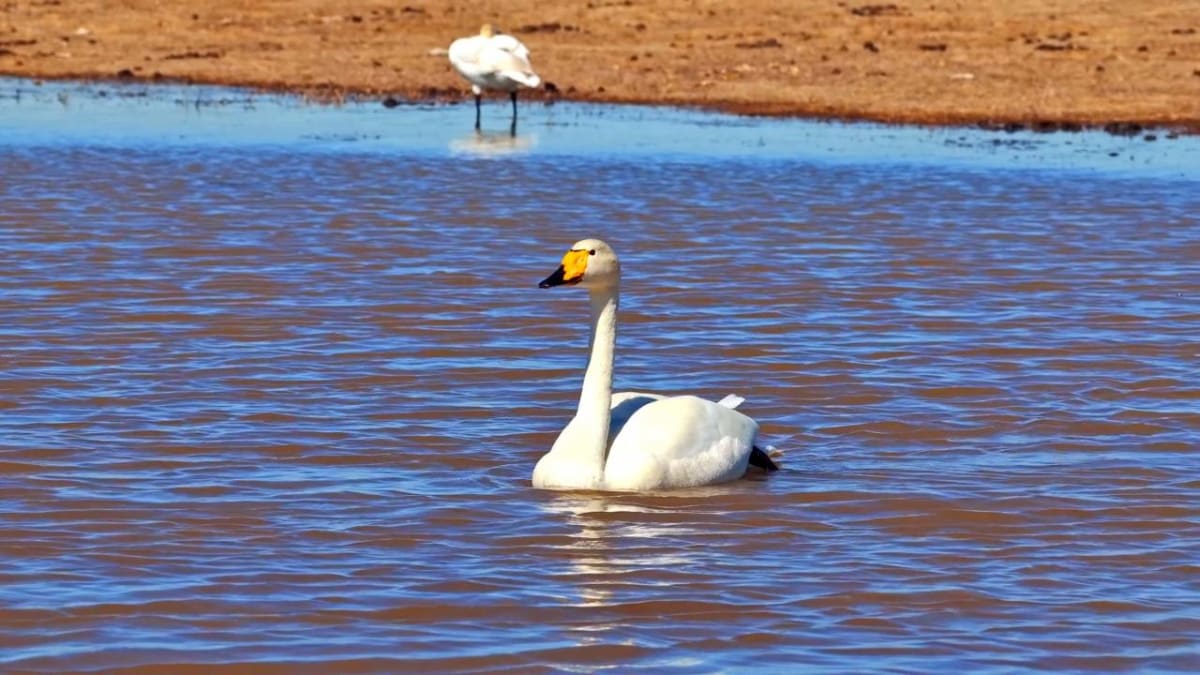
Flocks of graceful swans have returned to a protected wetland in northwest China, showcasing successful conservation efforts. The birds now thrive in harmony with local communities who worked to restore their habitat.
Spring has brought a stunning sight to China's Altay region: hundreds of swans gliding across wetlands that nearly disappeared just years ago.
The Kekesu Wetland National Nature Reserve in Xinjiang welcomed back flocks of the graceful white birds this April. Visitors now watch swans flap their wings playfully and dip their heads for food against golden sunsets.
The return marks a conservation victory for the remote wetland ecosystem. Local authorities and communities spent years restoring degraded marshlands and protecting critical bird habitats.
The reserve sits in Altay City, where wetlands provide essential stopover points for migratory birds traveling ancient flyways. These ecosystems had faced threats from development and water diversion.
Conservation teams worked with residents to reverse the damage. They restored water flows, replanted native vegetation, and created protected zones where birds could nest undisturbed.
The timing of the swan's return around World Earth Day on April 22 highlighted nature's ability to bounce back when given a chance. What was once a struggling ecosystem now teems with life.
The Ripple Effect
The wetland restoration has created benefits beyond just bringing back swans. The healthy ecosystem now supports dozens of other bird species and provides clean water for surrounding communities.
Local residents have embraced their role as wetland stewards. Many who once saw the marshes as wasteland now recognize them as valuable natural treasures worth protecting.
The reserve has also become an ecotourism draw, creating income opportunities for nearby villages. Birdwatchers and nature photographers travel to witness the spectacular seasonal swan gatherings.
Similar wetland restoration projects across China are showing comparable success. The Kekesu model demonstrates how targeted conservation can reverse ecological decline within years, not decades.
The swans' graceful return proves that humans and wildlife can coexist beautifully when communities commit to protecting shared spaces.
More Images

Based on reporting by Google News - Conservation Success
This story was written by BrightWire based on verified news reports.
Spread the positivity!
Share this good news with someone who needs it