Sweden Approves Two Offshore Wind Farms, Powering Green Future
Sweden just greenlit two major offshore wind farms that will power millions of homes while launching a smarter system for balancing clean energy with national security. The country is racing toward 100% renewable electricity by 2040.
Sweden took a major step toward its renewable energy future this week, approving two offshore wind farms that will generate enough electricity to power nearly 2 million homes annually.
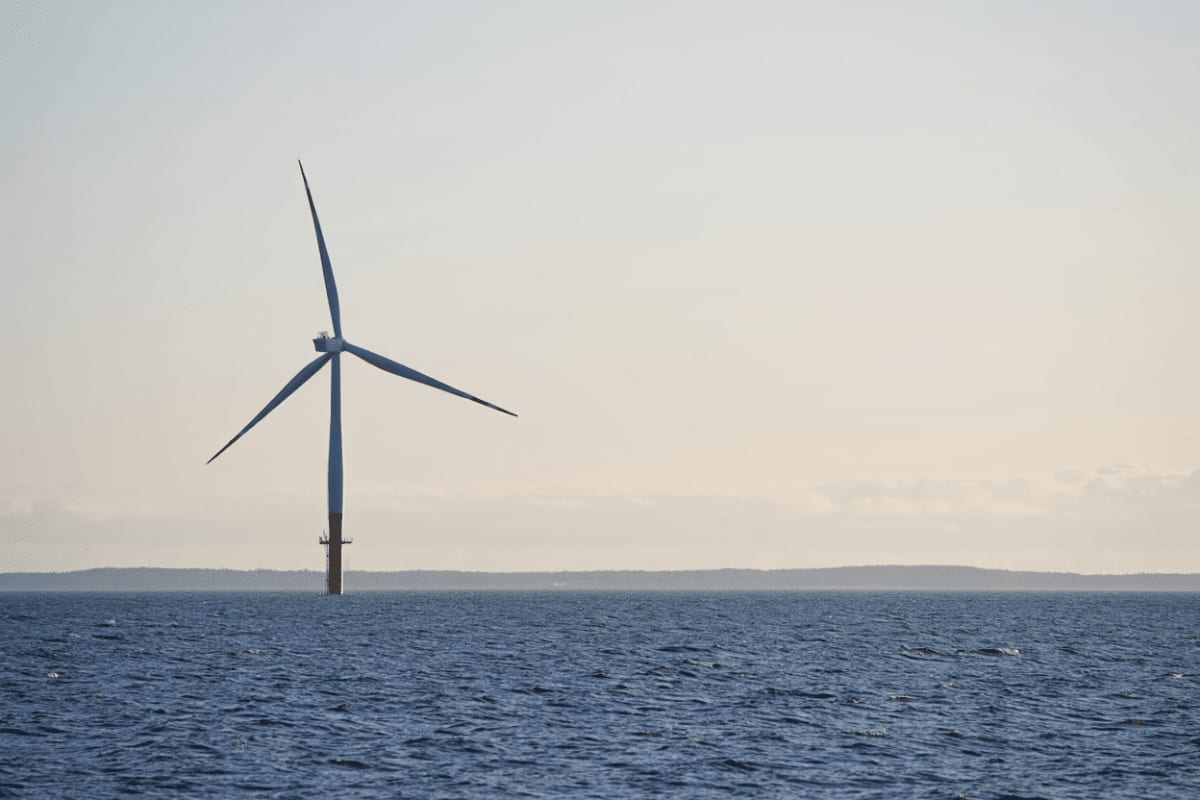
The government gave the green light to the Fyrskeppet wind farm in the southern Bothnian Sea and the Vidar project in northern Skagerrak on July 16. Together, these projects will produce up to 19 terawatt hours of clean electricity each year, enough to meet a significant chunk of Sweden's growing energy needs.
Climate Minister Romina Pourmokhtari and her colleagues announced the decision alongside approval for a large onshore wind farm at Markbygden. The move signals Sweden's continued commitment to reaching 100% renewable electricity production by 2040.
The approvals come with an important shift in how Sweden approaches wind energy development. The country is replacing its open application process with a smart auction system where the government first identifies suitable locations, then invites developers to bid for construction rights.
This new approach helps Sweden thread a delicate needle. As a NATO member since 2024, the country needs to protect strategically sensitive areas in the Baltic Sea while still pursuing ambitious climate goals. The government rejected 11 other offshore wind proposals because they could interfere with defense systems, showing this balance in action.
Sweden is aiming for at least 50 gigawatts of renewable capacity by 2030. The Swedish Wind Energy Association expects offshore wind alone to reach 41 gigawatts by 2050, making these early approvals crucial stepping stones.
The Bright Side
What makes this story particularly hopeful is how Sweden is proving that environmental progress and national security don't have to conflict. By creating a structured system that considers both priorities upfront, the country is building a blueprint other nations can follow.
The auction model means future wind farms will be developed in locations already vetted for both energy potential and security compatibility. This should speed up approvals while reducing uncertainty for developers and communities alike.
Sweden's approach shows that climate action can be both ambitious and thoughtful, delivering clean energy without compromising other critical national interests.
Based on reporting by Google News - Sweden Renewable
This story was written by BrightWire based on verified news reports.
Spread the positivity!
Share this good news with someone who needs it