Sweden Built So Much Green Energy Prices Went Negative
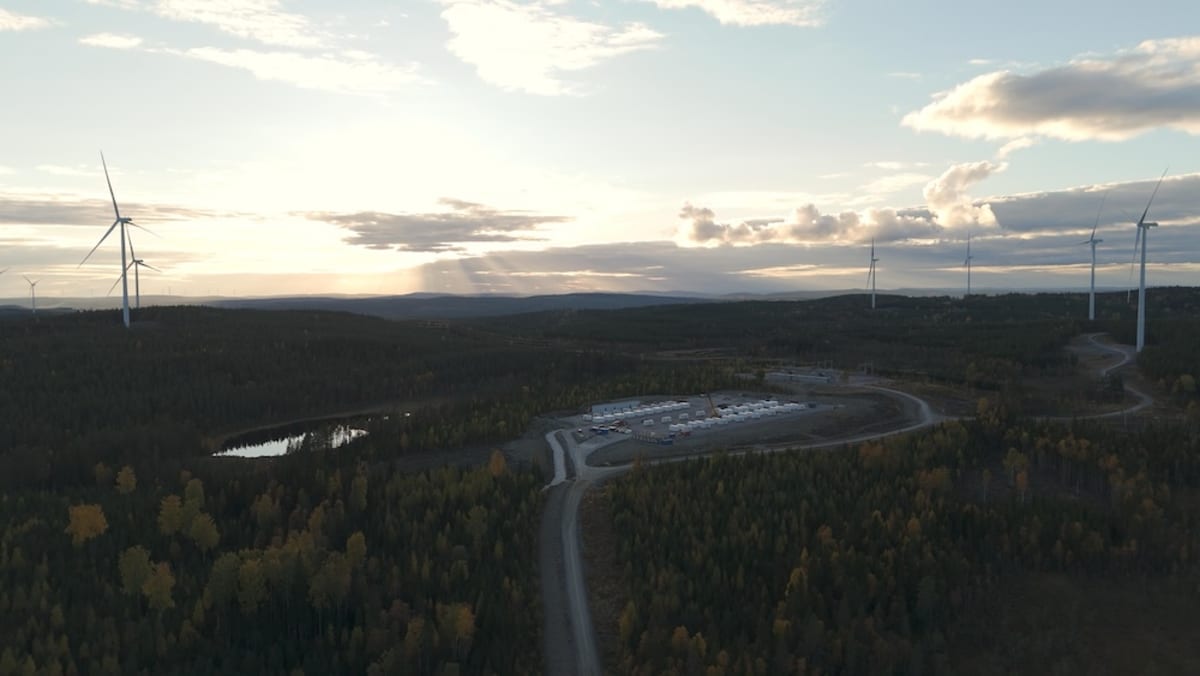
Sweden's wind farms now produce so much renewable electricity that prices sometimes drop below zero, forcing producers to pay customers to use power. This "problem of abundance" shows what happens when the clean energy transition actually works.
For nearly a month each year, wind farms in northern Sweden face an unusual problem: they have to pay people to take their electricity.
This isn't a business failure. It's what success looks like when a region goes all-in on renewable energy.
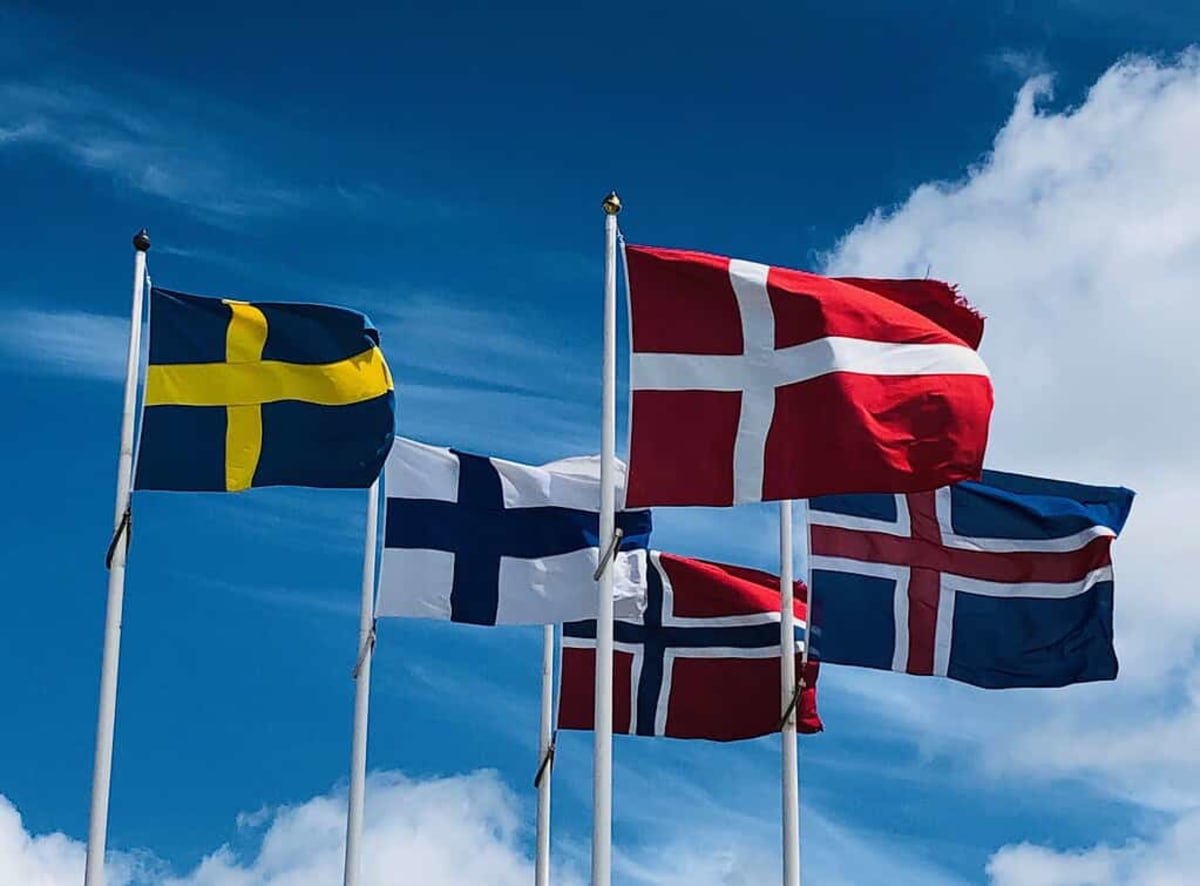
Sweden, Norway, Finland, and Denmark built one of the world's most reliable green energy systems through their shared Nord Pool power exchange. Together, these Nordic countries now generate 430 to 440 terawatt hours of electricity annually while only consuming 395 terawatt hours.
Sweden leads the European Union with 99 percent of its electricity coming from low-carbon sources. Denmark gets more than half its power just from wind turbines spinning in coastal breezes.
The secret to their success? They trusted free markets and resisted the urge to interfere when things got tough.
Back in 2002, a massive drought dried up the region's hydropower reservoirs, cutting nine percent of annual electricity supply. California had faced a similar crisis and collapsed completely, with rolling blackouts and bankrupt utilities.
The Nordic countries took a different path. They let wholesale prices jump to two or three times normal levels, and those costs passed directly to consumers with no price caps.
People responded by turning down their thermostats. Demand dropped naturally, the market balanced itself, and the lights stayed on.
Today they face the opposite challenge. When storms roll through Scandinavia, every wind turbine produces maximum power simultaneously, flooding the market with electricity nobody needs in that moment.
The result? Electricity prices sometimes drop to zero or even go negative. Wind producers essentially pay industrial customers to absorb their excess power during peak production hours.
This "cannibalization effect" makes operating a wind farm financially tricky, but it's also driving innovation. Energy companies are investing heavily in battery storage, creating new industrial processes that can ramp up during cheap electricity hours, and building transmission lines to export power to other regions.
The Ripple Effect
The Nordic experience offers a preview of what climate success looks like globally. As solar panels and wind turbines multiply worldwide, more regions will face this same "problem" of having too much clean, cheap electricity at certain times.
That challenge is already pushing innovation in energy storage, smart grids, and flexible demand. Industries are learning to schedule energy-intensive operations around renewable production peaks.
The transformation is creating new business models too. Data centers, hydrogen production facilities, and large-scale battery installations are all learning to profit from absorbing excess renewable electricity when prices drop.
What looked like a broken business model is actually spurring the next wave of energy innovation, proving that sometimes the best problems are the ones created by too much success.
More Images
Based on reporting by Regional: sweden renewable energy (SE)
This story was written by BrightWire based on verified news reports.
Spread the positivity!
Share this good news with someone who needs it