Sweden Cuts Steel Emissions 80% With Green Hydrogen
Sweden is leading a revolution in clean steelmaking that could slash one of industry's biggest carbon footprints by 80%. Two companies near the Arctic Circle are proving hydrogen can replace coal in steel production while Europe races China in the green steel competition.
Steel production has pumped out nearly two tons of carbon dioxide for every ton of metal since the 1800s, but Sweden just found a way to cut that pollution by 80%.
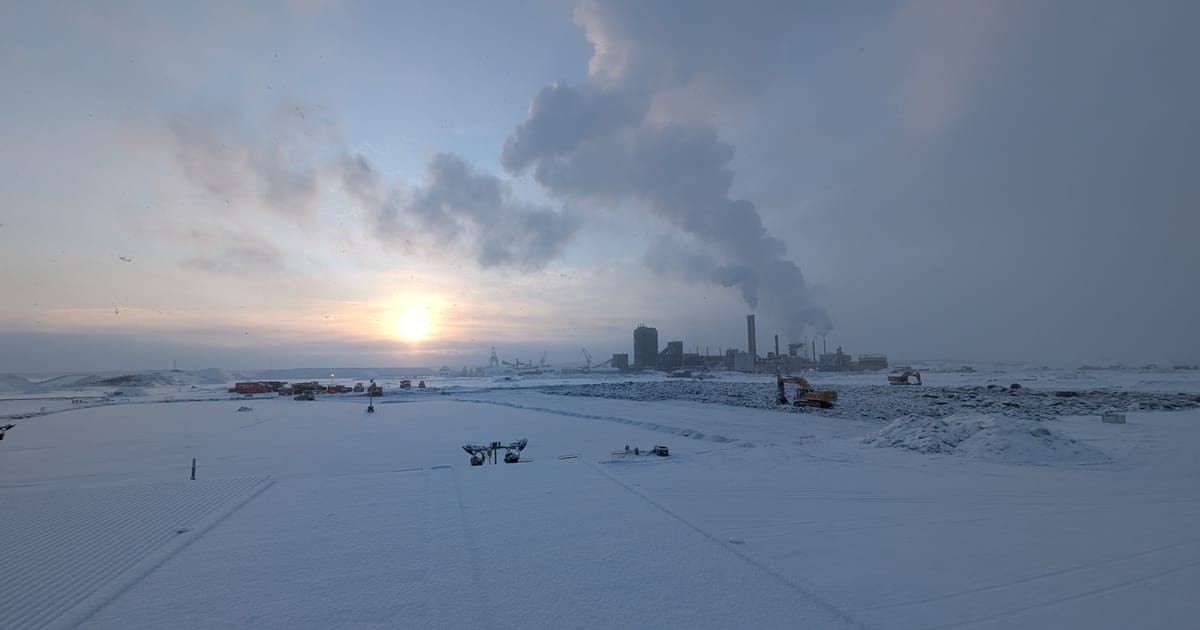
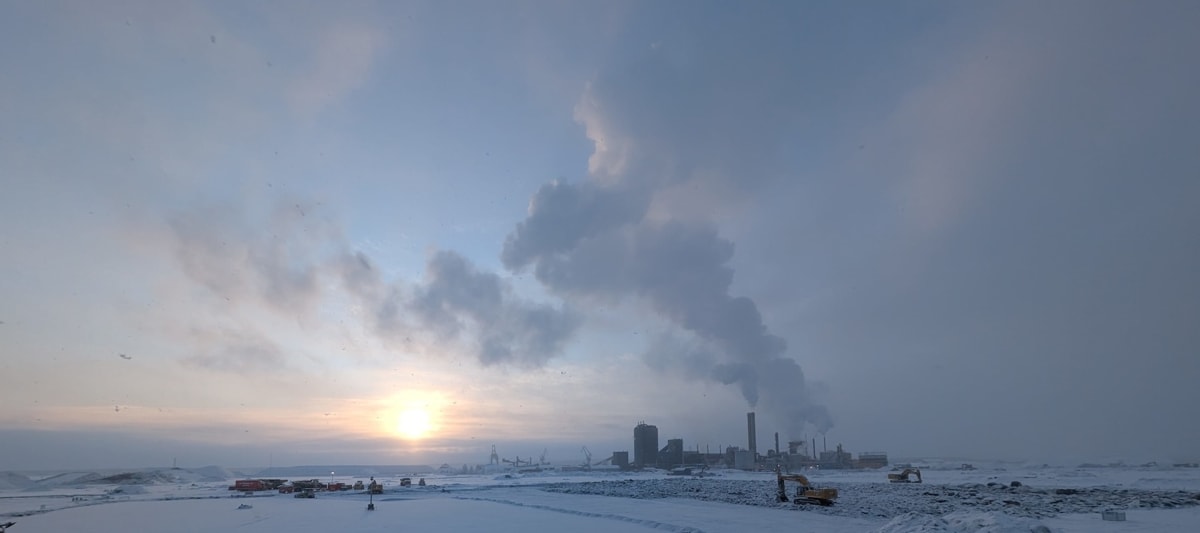
Two Swedish companies are transforming steelmaking near the Arctic Circle using hydrogen instead of coal. Hybrit Development opened a pilot plant in Luleå in 2020, while Stegra is building another facility 25 miles north in Boden.
The new process replaces traditional coal-burning blast furnaces with hydrogen to extract iron from ore. Electric arc furnaces then shape that iron into steel. When renewable electricity powers both steps, emissions drop from 1.8 tons of CO₂ per ton of steel to just 0.4 tons.
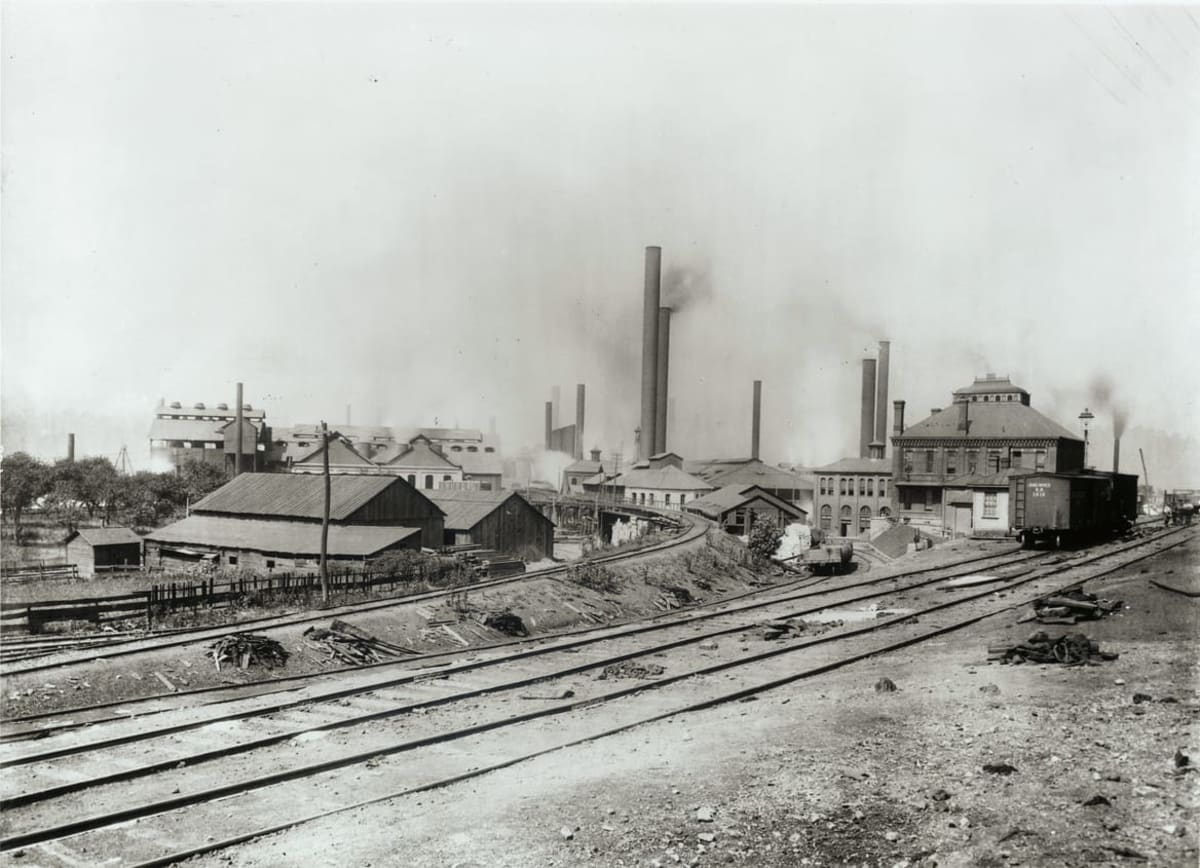
Northern Sweden offers the perfect conditions for this green steel revolution. The region has surplus hydropower, massive iron ore mines 155 miles north, and a bustling seaport for shipping finished products. It's the same kind of geographical advantage that made Pittsburgh America's steel capital 150 years ago.
Europe desperately needs this breakthrough. Steel production generates 5% of the European Union's total emissions and supports 300,000 jobs worth 152 billion euros. Starting this year, steelmakers must pay for their carbon emissions under new EU regulations that phase out previous allowances.
Germany and Norway are launching similar green steel projects. China is moving even faster with the world's largest hydrogen-powered ironmaking plant reaching full capacity late last year in Guangdong province.
The Ripple Effect
If Europe succeeds in transforming its steel industry, the climate benefits will be massive. Steel is one of the hardest industries to decarbonize because it requires such intense heat and has relied on coal for centuries.
Sweden's breakthrough proves the technology works at commercial scale. Other heavy industries watching this transition could follow the same hydrogen playbook to cut their emissions. The EU's strict new carbon regulations are pushing companies to innovate rather than continue polluting.
Green hydrogen technology is also creating new economic opportunities in regions with abundant renewable energy. Northern Sweden's hydropower advantage is attracting major investments and skilled jobs to an area far from traditional industrial centers.
The shift is happening faster than many experts predicted just five years ago. What seemed like a distant dream when Hybrit opened its pilot plant is now becoming standard business planning across European steel companies.
Sweden is proving that cleaning up one of the world's dirtiest industries isn't just possible but profitable.
More Images


Based on reporting by Regional: sweden renewable energy (SE)
This story was written by BrightWire based on verified news reports.
Spread the positivity!
Share this good news with someone who needs it