Sweden Launches $20M Green Hydrogen Valley Project
Sweden is building one of Europe's largest green hydrogen ecosystems, bringing together 45 partners to produce 4,000 tonnes of clean fuel by 2030. The six-year project spans two regions and proves renewable energy can power industry without fossil fuels.
Sweden just launched a groundbreaking project that could change how Europe powers its future, and it's running entirely on clean energy.
The High Coast to West Coast Hydrogen Valley brings together 45 partners from industry, research, and government across two Swedish regions. With nearly $20 million in EU funding, the six-year initiative aims to produce at least 4,000 tonnes of green hydrogen by 2030.
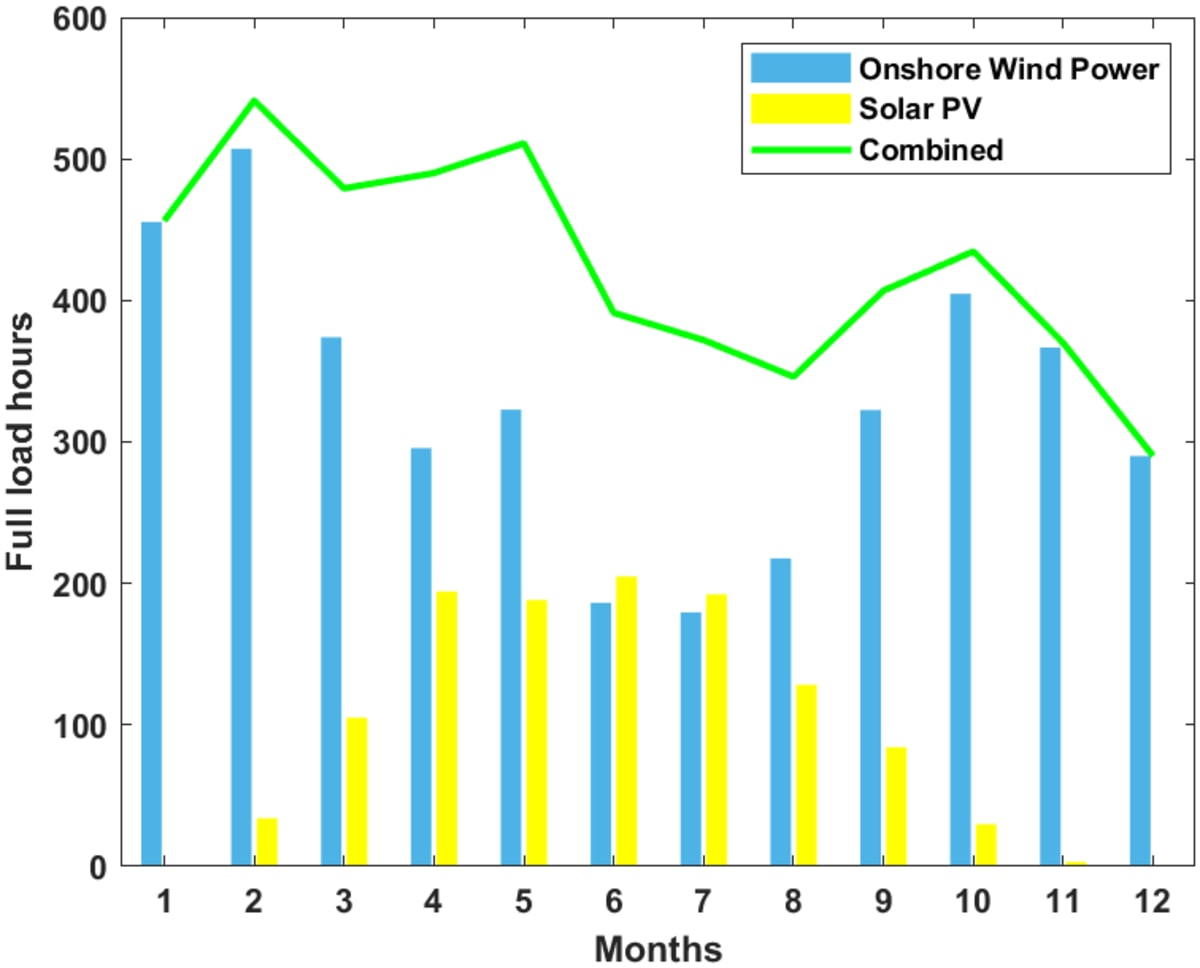
Unlike traditional hydrogen made from fossil fuels, this project uses only renewable energy. Sweden's vast wind and solar resources give it a unique advantage to produce hydrogen cheaply, making clean fuel competitive with polluting alternatives.
The project covers everything from production to real-world use. Industries will test hydrogen in manufacturing, transportation companies will fuel vehicles with it, and innovators will convert it into e-fuels for ships and planes that can't easily run on batteries.
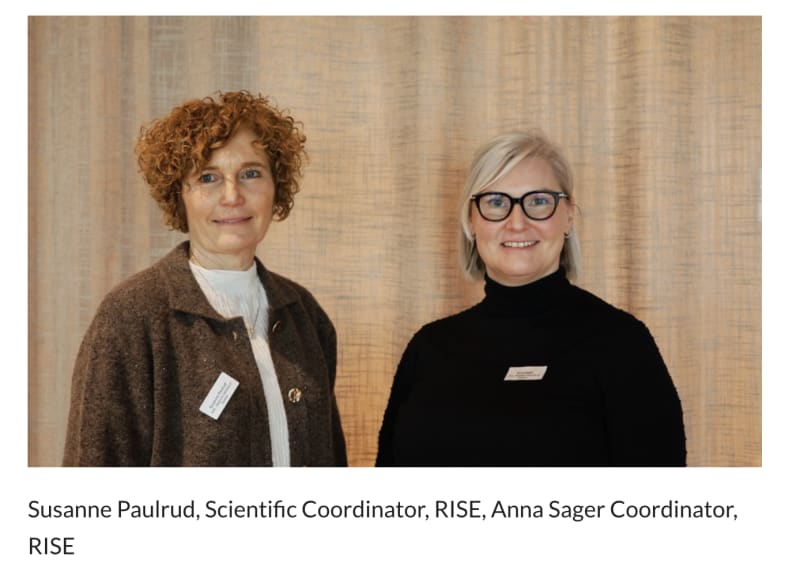
RISE, Sweden's research institute coordinating the effort, calls it essential for Europe's energy independence. Magnus Hallberg, who leads their bioeconomy division, points out that reducing reliance on imported fossil fuels has never been more critical for the continent's security and stability.
The Ripple Effect
This isn't just about Sweden. Partners from Spain, Greece, and Germany are collaborating to ensure solutions work across different European regions. When one hydrogen valley succeeds, others can copy the blueprint.
Local communities are already seeing benefits. Ånge Municipality celebrated becoming part of Sweden's first official Hydrogen Valley, bringing new networks and resources to the region. PowerCell Group's CEO emphasized that these testing grounds let companies scale new technologies from lab experiments to commercial reality.
The project tackles a crucial challenge in renewable energy: storage. Wind and solar produce power inconsistently, but hydrogen can store that energy for when it's needed. This makes power grids more reliable as countries add more renewable sources.
Liquid Wind, developing electrofuel plants in the region, demonstrates how hydrogen becomes even more valuable when converted into practical fuels. Their facilities in Örnsköldsvik and Umeå are turning theory into commercial products that shipping and aviation industries can use today.
Sweden's combination of renewable resources, industrial expertise, and innovation infrastructure positions it to lead Europe's hydrogen economy. What works here could accelerate clean energy adoption across the continent, helping Europe reach climate neutrality by 2050 while building a more resilient energy system.
More Images


Based on reporting by Google News - Sweden Renewable
This story was written by BrightWire based on verified news reports.
Spread the positivity!
Share this good news with someone who needs it