Sweden Unearths Rare 2,500-Year-Old Neck Rings in Ancient Grave
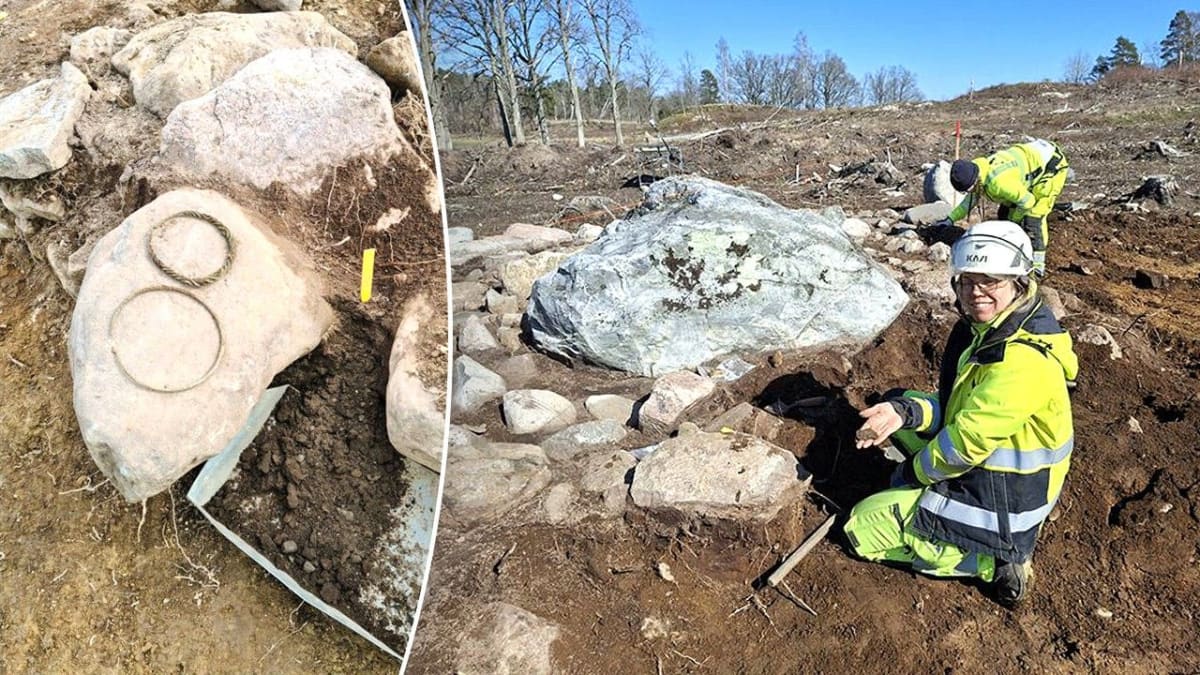
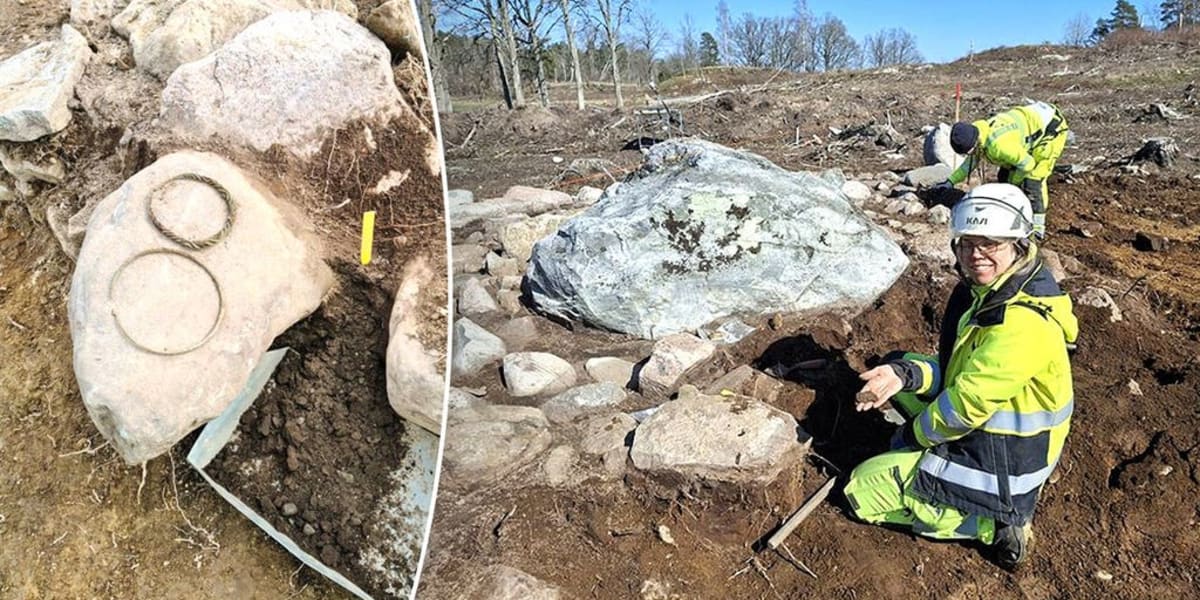
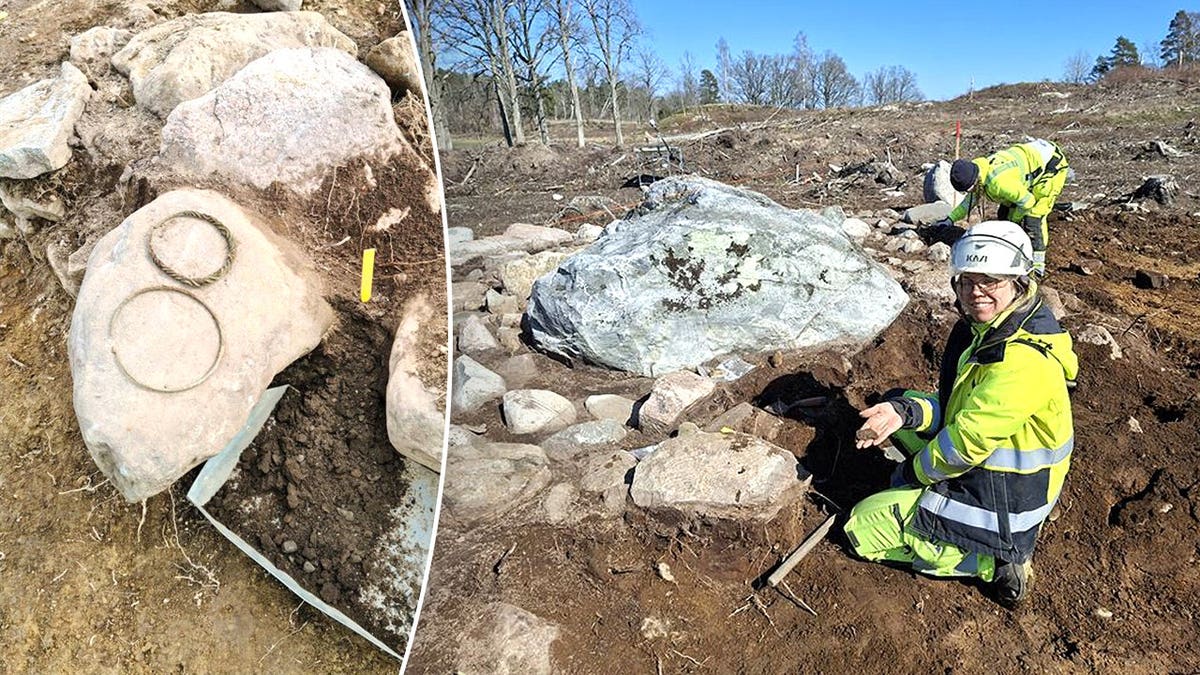
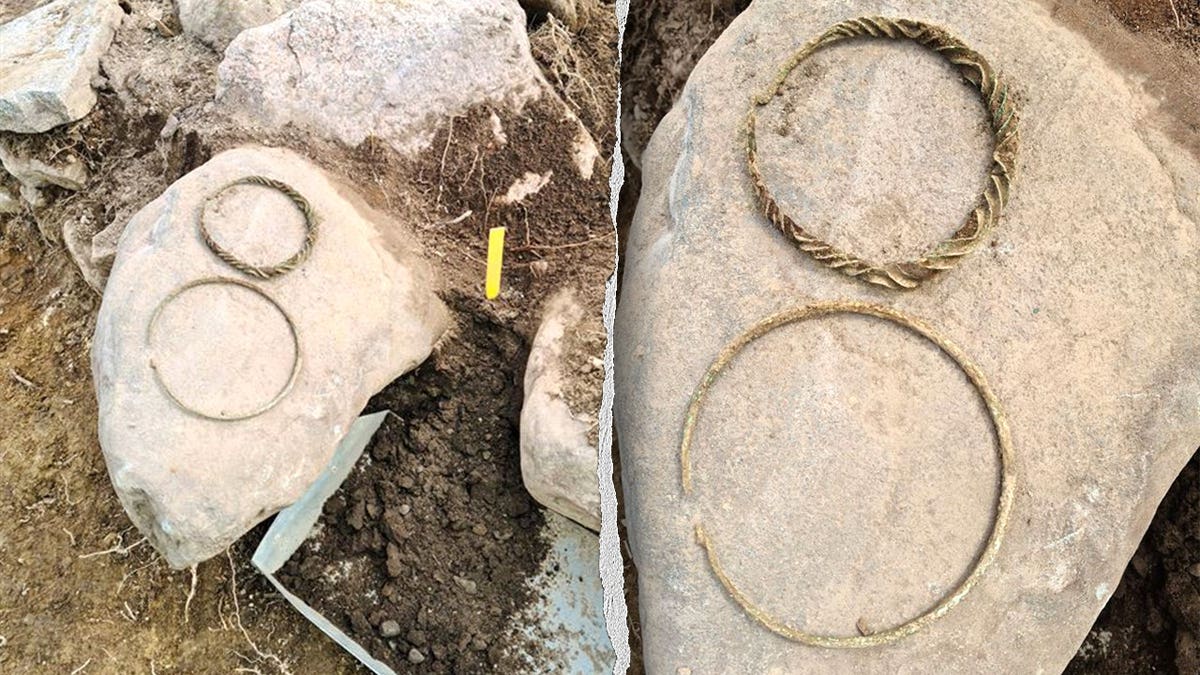
Archaeologists in Sweden discovered two incredibly rare Bronze Age neck rings buried inside an ancient grave monument, marking the first modern documented find of its kind in the country. The twisted bronze ornaments, called wendel rings, were likely placed as ritual offerings more than 2,500 years ago.
Imagine walking through what looks like an ordinary wooded hillside and uncovering treasures that haven't seen daylight in over 2,500 years.
That's exactly what happened to archaeologists working near Norrköping in eastern Sweden. The team stumbled upon two exceptionally rare Bronze Age neck rings buried inside an ancient grave monument, a discovery experts are calling potentially unique.
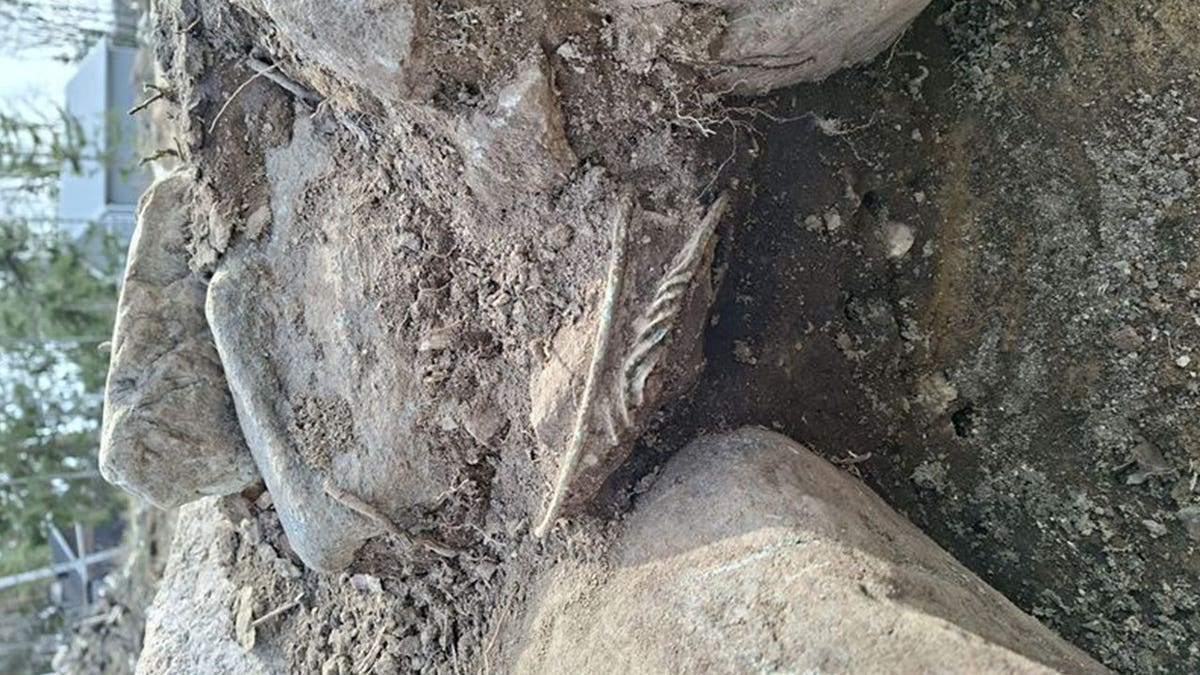
The jewelry pieces are wendel rings, a rare type of bronze ornament dating to the final phase of the Bronze Age around 1100 to 500 BC. They're characterized by their twisted form, where cast bronze alternates between right and left-handed twists, creating an intricate pattern that showcases ancient craftsmanship.
"We never expected to find anything like this," said excavation leader Alf Ericsson. "We still haven't fully taken it in."
What makes this discovery remarkable isn't just the rings themselves. It's where they were found.
Wendel rings typically turn up in wetlands like bogs or marshes, often grouped with other objects in hoards. Finding two neck rings placed together inside a burial monument is extremely unusual, perhaps even unique in Swedish archaeology.
The excavation is part of a larger archaeological landscape investigation containing graves, rock carvings and settlement remains from the Late Bronze Age. Back then, the area sat beside a bay close to the sea, likely serving as an important cultural site for ancient communities.
Both rings are well preserved, though one is in better condition despite being broken in half. Ericsson believes this break happened during the Bronze Age itself, probably as part of the ritual burial process.
Why This Inspires
This discovery opens a window into the spiritual lives of people who lived thousands of years ago. The careful placement of these valuable objects suggests complex burial rituals and a culture rich in symbolism.
Researchers found that neck rings were commonly associated with women during the Bronze Age. However, historical depictions suggest men may have worn them during ritual ceremonies, challenging our assumptions about ancient gender roles and ceremonial practices.
The team also uncovered several deposits of cremated human bones, house remains and two burnt mounds built from fire-cracked stones. These findings paint a picture of a sophisticated society with deep spiritual traditions and artistic skill.
This marks the first time wendel rings have been documented in a burial context using modern archaeological methods in Sweden. The discovery helps archaeologists better understand how Bronze Age communities honored their dead and what objects held sacred meaning.
The find joins a remarkable string of archaeological discoveries across Sweden over the past year, each one revealing new chapters in the country's ancient story.
More Images
Based on reporting by Fox News Travel
This story was written by BrightWire based on verified news reports.
Spread the positivity!
Share this good news with someone who needs it
%2Ffile%2Fattachments%2F2997%2F36Thulamela_Archaeological_Research_Field_Trip_Sept_2025_035_372816.jpg)