Sweden's $22M Hydrogen Project Unites 45 Partners
Sweden just launched one of Europe's biggest green hydrogen projects, bringing together 45 partners to produce 4,000 tonnes of clean fuel by 2030. The six-year initiative could make Sweden a leader in affordable, climate-friendly energy.
Sweden is building a new kind of energy ecosystem that could reshape how Europe powers its future.
The High Coast to West Coast Hydrogen Valley just launched with nearly $22 million in EU funding. Over the next six years, 45 partners from industry, research, and government will work together to create a complete hydrogen economy across two Swedish regions.
The goal is ambitious but achievable: produce at least 4,000 tonnes of green hydrogen by 2030. This isn't just theoretical research. The project will demonstrate hydrogen systems at commercial scale, making the technology more mature and affordable for everyone.
Sweden has a secret weapon in the clean energy race. The country's vast renewable energy resources, combined with strong industrial clusters and innovation systems, give it exceptional conditions for producing hydrogen cheaply.
"Sweden has a unique opportunity to produce hydrogen at low cost, which can give us a real competitive advantage and strengthen Sweden's and Europe's energy independence," says Magnus Hallberg, Head of the Bioeconomy Division at RISE, the organization coordinating the project.
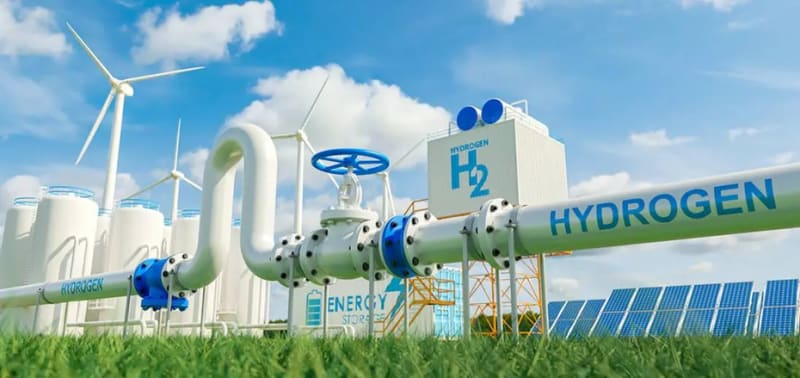
The project covers the entire journey hydrogen takes from creation to use. Production facilities will generate green hydrogen using renewable energy. Distribution networks will move it where it's needed. Industries will use it for manufacturing, transportation will run on it, and specialized facilities will convert it into e-fuels for ships and planes.
The Ripple Effect
This isn't just a Swedish success story. Partners from Spain, Greece, and Germany are collaborating on the project, creating a blueprint that other European regions can copy. The knowledge gained here could accelerate hydrogen adoption across the continent.
The timing matters too. Energy independence has become critical for Europe. Reducing dependence on imported fossil fuels strengthens the entire EU energy system's resilience. PowerCell Group CEO Richard Berkling notes that hydrogen and fuel cells are becoming "a strategic asset—not only for the climate, but also for the stability and security of the energy system."
Liquid Wind, one of the project partners, is already turning hydrogen into practical solutions. The company converts green hydrogen and biogenic CO₂ into renewable e-methanol for shipping and aviation, proving that hydrogen valleys can move from production to real market implementation.
Local communities are celebrating too. Ånge Municipality is proud to be part of Sweden's first official Hydrogen Valley, seeing it as validation of their European-level work and access to important networks and resources.
Sweden is showing the world that clean energy transitions don't have to be slow or expensive when the right partners come together with the right resources.
More Images


Based on reporting by Regional: sweden renewable energy (SE)
This story was written by BrightWire based on verified news reports.
Spread the positivity!
Share this good news with someone who needs it