Sweden's E-Methane Plant Could Quadruple Green Gas Output
A new Swedish facility plans to turn pulp mill emissions into clean fuel that could replace fossil gas imports. The project combines forest industry waste with renewable energy to create gas that works in today's infrastructure.
Sweden is turning wood pulp byproducts into clean fuel that could transform the country's energy independence.
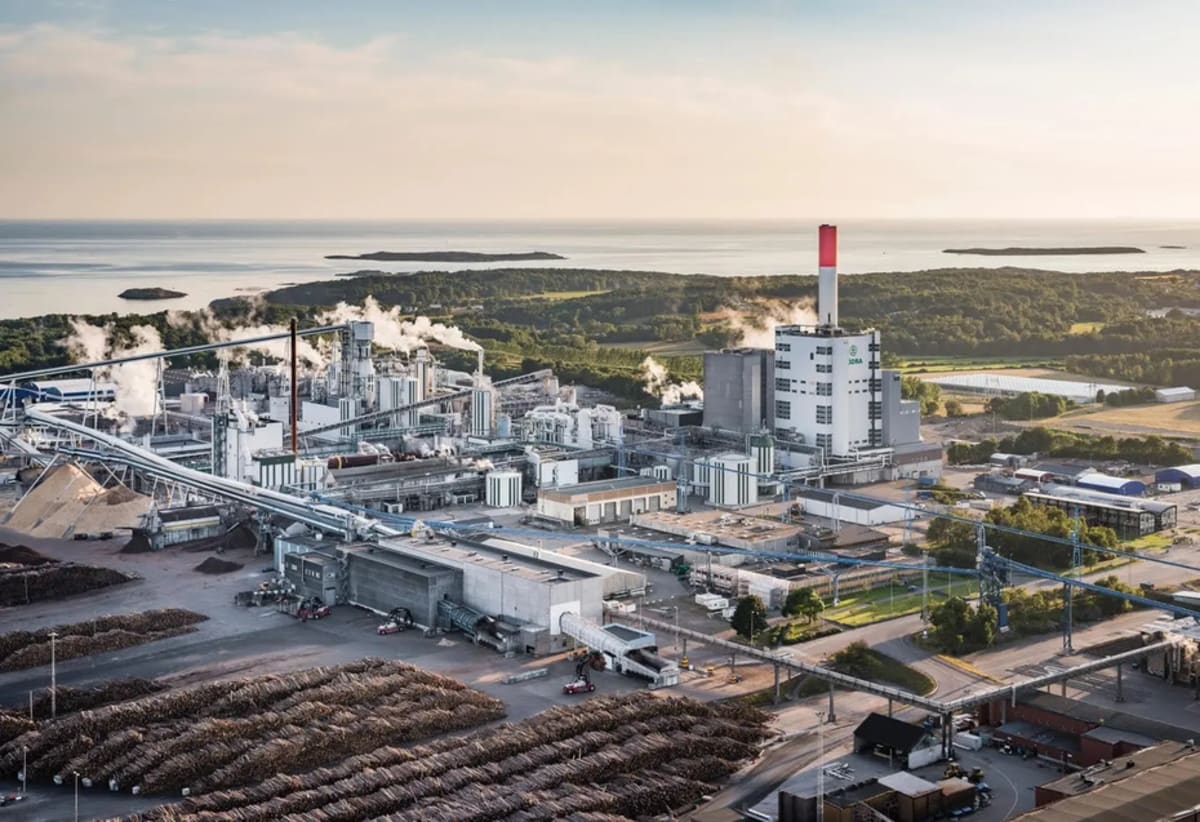
Three partners are developing a groundbreaking facility on Sweden's west coast that will produce synthetic natural gas without drilling or importing fossil fuels. OX2, forest industry group Södra, and technology developer TES plan to generate 1.2 TWh of electric natural gas (e-NG) annually at Värö Peninsula in Varberg.
The process captures carbon dioxide that's already being released from Södra's pulp mill during normal paper production. Instead of letting this biogenic CO₂ drift away, the facility will combine it with hydrogen made from renewable electricity. The result is a synthetic gas chemically identical to natural gas but completely fossil free.
What makes this particularly clever is that e-NG works in existing gas pipelines and industrial equipment. Swedish factories won't need to replace machinery or build new infrastructure. They can simply swap fossil gas for this clean alternative.
The scale matters too. Currently, Sweden imports much of its gas from Denmark through pipelines, and most of it still comes from fossil sources. This single facility would increase Sweden's domestic production of fossil-free gas by more than four times.
The Ripple Effect
This project shows how different industries can solve each other's problems. The pulp mill has always produced CO₂ as a natural part of making paper products. Now that emission becomes valuable fuel instead of waste.
Forest companies across Sweden could follow the same model. Anywhere pulp gets processed, similar facilities could spring up, creating a network of clean fuel production sites tied to existing industry.
The project is currently in its early development phase, funded partly by Sweden's Industrial Leap program for decarbonization. Engineers are designing the technical systems, figuring out how to connect to electricity and gas networks, and working through permits and commercial agreements.
If everything proceeds as planned, the facility could start producing clean gas in the early 2030s. That timeline puts Sweden on track to dramatically reduce its reliance on imported fossil fuels while strengthening energy security for its manufacturing and chemical sectors.
The forest industry has sustained Swedish communities for generations, and now it's helping power the country's clean energy future.
More Images
Based on reporting by Google News - Sweden Renewable
This story was written by BrightWire based on verified news reports.
Spread the positivity!
Share this good news with someone who needs it