
Swedish Scientists Find Beauty in Tiny Beetles and Hairy Plants
Researchers across Sweden are discovering wonder in the world's smallest creatures, from microscopic beetles to parasitic wasps. Their passion proves that nature's most overlooked species hold extraordinary secrets worth celebrating.
Scientists studying the tiniest creatures on Earth are finding unexpected beauty in places most of us never look.
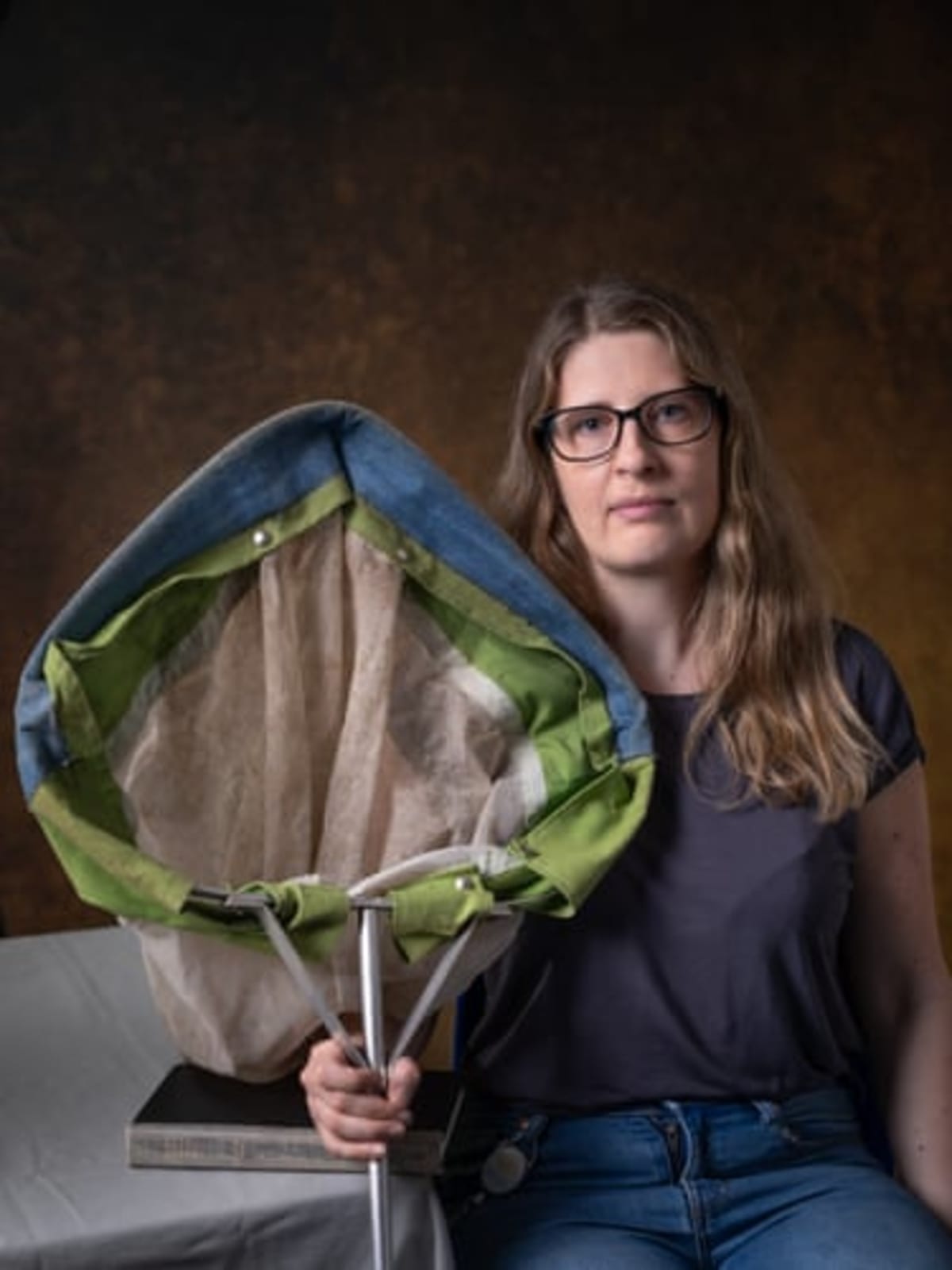
Researchers at Sweden's leading universities are following in the footsteps of Carl Linnaeus, the father of modern taxonomy, by dedicating their careers to insects smaller than a grain of rice and plants identified by their microscopic hairs. Their work reveals that nature's smallest inhabitants are anything but insignificant.
Mikael Sörensson from Lund University studies featherwing beetles, among the world's smallest insects. He calls them "little winding works of art" and examines their intricate internal structures with the precision of a jeweler.
Emma Kärrnäs shares his enthusiasm for the miniature world. She studies eulophid wasps, creatures just a few millimeters long that she describes as "tiny jewels."
Torbjörn Tyler has mastered an unusual skill. The Lund University botanist can identify plants just by looking at the hairs on their surfaces under a microscope, turning what seems mundane into a identifying fingerprint.
Even creatures we typically swat away inspire devotion. Anders Lindström studies mosquitoes at Sweden's National Veterinary Institute, finding fascination in species most people consider pests.
Why This Inspires
These scientists remind us that wonder doesn't require grand scale. Yannick Woudstra studies how dandelions reproduce asexually, calling it a mystery that "goes against basic evolutionary theory." Åsa Kruys celebrates discovering "a beautiful world exists under the microscope."
Their dedication matters beyond academic curiosity. Magnus Gelang notes we don't even know how many species exist in Sweden, meaning countless discoveries await. Julia Stigenberg, who specializes in parasitic wasps, explains that "discovering the unknown is what drives me."
The researchers carry vintage scientific texts alongside modern equipment, honoring centuries of naturalists who looked closer when others looked away. Anders Dahlberg, a fungal ecology specialist, sums up their shared passion simply: "Nature is like a drug."
These scientists prove that inspiration lives everywhere, even in places we'd normally overlook. Sometimes the smallest subjects teach us the biggest lessons about paying attention.
More Images


Based on reporting by Google News - Science
This story was written by BrightWire based on verified news reports.
Spread the positivity!
Share this good news with someone who needs it

%2Fhttps%3A%2F%2Ftf-cmsv2-smithsonianmag-media.s3.amazonaws.com%2Ffiler_public%2Fcf%2F4d%2Fcf4d3176-9efd-4c9f-b643-2bc4f16839b6%2Fscripps_oceanography_geoscientist_lisa_tauxe_inserts_samples_i-32fad9c82902379b111b3658ab9c8a35.jpeg)