Swedish Scientists Turn Wheat Waste Into Better Plant Foods
Researchers in Sweden have transformed leftover wheat bran into a gel that could revolutionize plant-based meat and dairy alternatives. The breakthrough turns agricultural waste into a valuable food ingredient that improves texture while reducing food waste.
Millions of tons of wheat bran get tossed into animal feed every year, but Swedish scientists just found a way to turn this waste into something remarkable for our food supply.
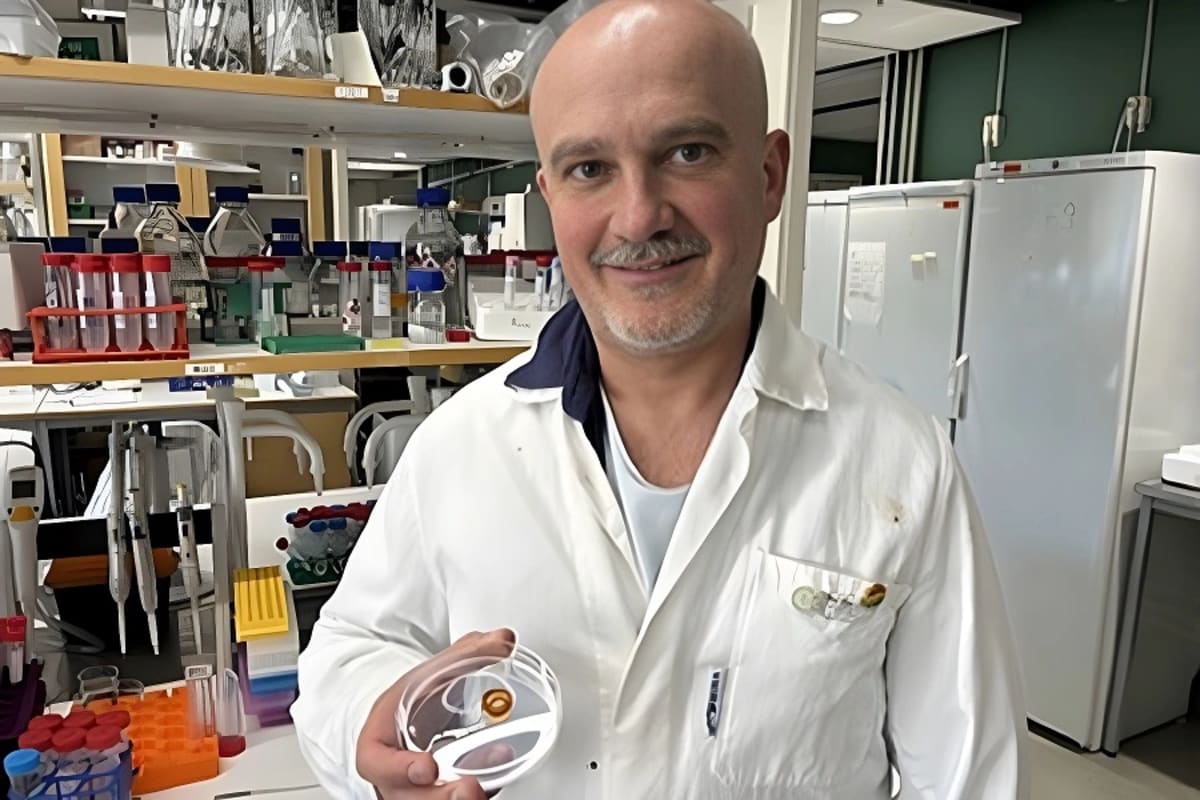
Researchers at KTH Royal Institute of Technology in Stockholm developed a soft, jelly-like gel using wheat bran fiber and wheat gluten protein. This marks the first time scientists have successfully combined these two wheat components into a stable hydrogel that could help plant-based foods taste and feel more like their animal-based counterparts.
The numbers tell an impressive story. Wheat milling creates about 150 million metric tons of byproducts globally each year, with 90% ending up as livestock feed. That leftover bran contains valuable dietary fiber that rarely makes it into human food because of its rough, fibrous texture.
Professor Francisco Vilaplana and his team cracked the code by extracting arabinoxylan (a natural fiber) from wheat bran and mixing it with wheat proteins. They used an enzyme called laccase to link the fiber molecules together, creating a stable gel that traps the protein inside. This solves a major problem in plant-based foods, where proteins often create brittle or uneven textures that change with temperature or acidity.
The gel can thicken, stabilize, and add texture to plant-based meat and dairy alternatives. It also works in high-fiber snacks, sauces, and nutrition products for athletes or medical patients.
The Ripple Effect
This discovery could transform how we use agricultural waste across multiple industries. Early tests show the method works with other plant proteins like pea and soy, opening doors for various applications beyond wheat.
The research comes from Plenty, a center at KTH focused on reducing food waste and creating circular supply chains. By turning side streams from wheat processing into valuable food ingredients, the team is adding worth to materials already produced in massive quantities but largely overlooked for human consumption.
The gel combines two nutritional powerhouses: dietary fiber and protein. This dual benefit means food manufacturers can improve both texture and nutrition in a single ingredient, making healthier plant-based options more appealing to consumers who care about taste as much as values.
Future food might just get a whole lot tastier thanks to the humble wheat bran we once ignored.
More Images



Based on reporting by Google News - Researchers Find
This story was written by BrightWire based on verified news reports.
Spread the positivity!
Share this good news with someone who needs it