Swiss Engineer Cuts Solar Heat Cost for Factories
A breakthrough solar collector could finally make renewable heat affordable for industries that need temperatures up to 150°C. The technology uses cheap materials to compete with natural gas prices.
Factories around the world have a heating problem that almost nobody talks about, and one Swiss engineer just cracked it.
Luca Thommen, a mechanical engineer at ETH Zurich, developed a solar thermal collector that can produce industrial heat at a fraction of the cost of previous systems. His invention targets a massive climate challenge hiding in plain sight: the fossil fuels burned to heat factories for pasteurization, sterilization, dyeing, drying, and chemical processing.
The numbers tell the story. Countless industrial processes need temperatures around 150°C, a sweet spot where renewable energy has historically cost too much to compete with natural gas. That kept factories burning fossil fuels even as electricity generation went green.
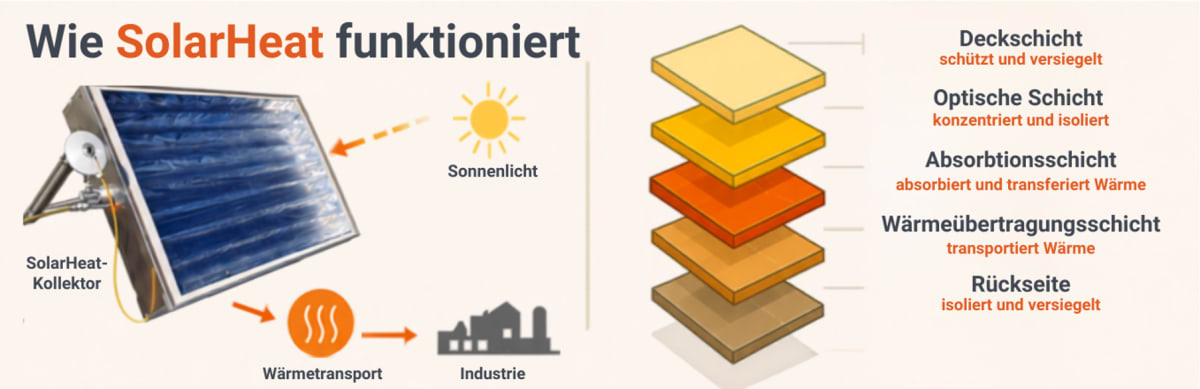
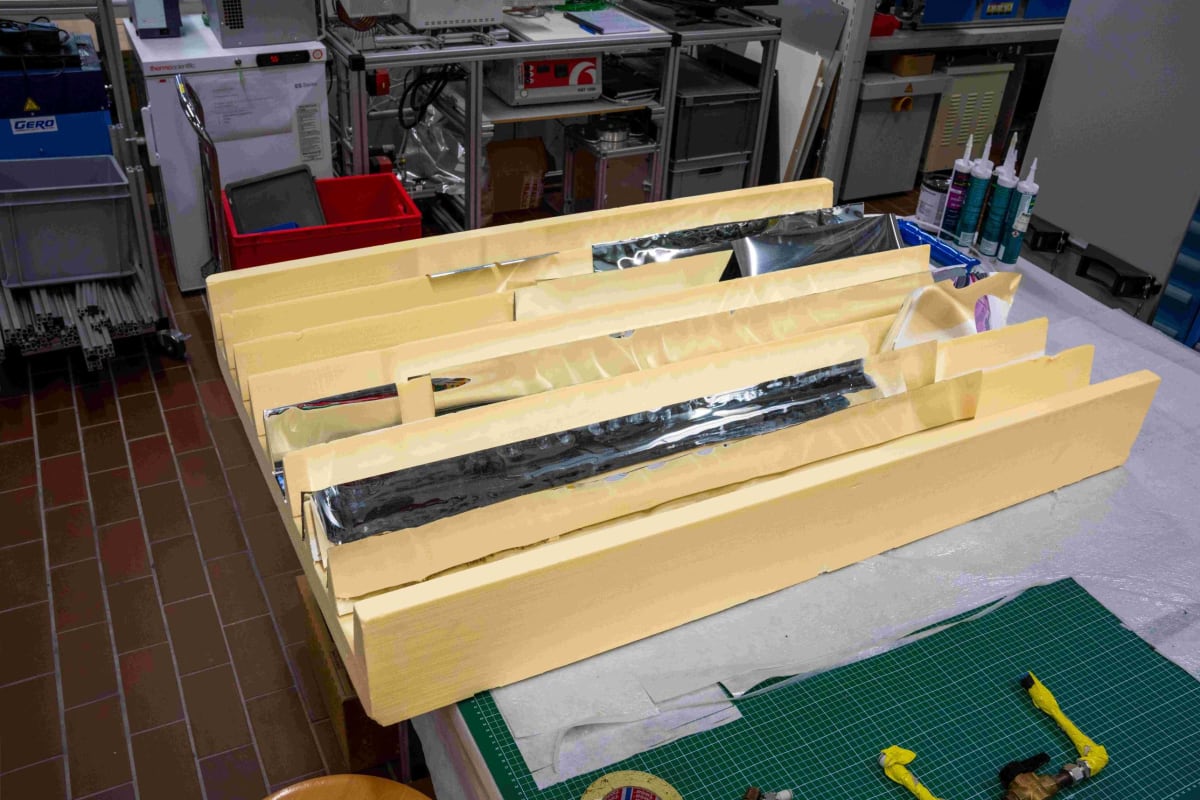
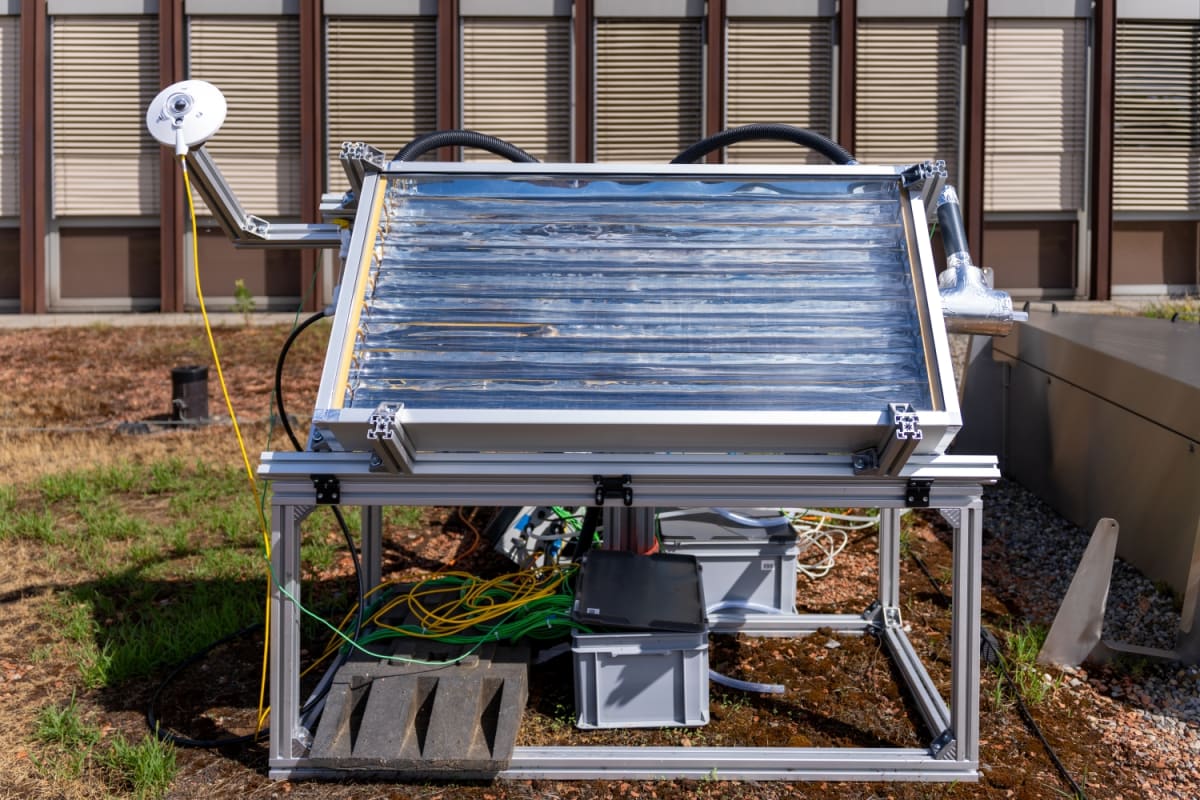
Thommen's solution sounds simple, but simplicity is the breakthrough. His collector uses reflective elements to concentrate sunlight onto an absorber panel, which traps the solar energy and transfers it to air or water. Heavy insulation prevents heat loss. The secret is what he left out: expensive materials and complex designs.
Most of the collector is made from lightweight, readily available insulation material. Metal only goes where absolutely necessary. "My goal is to deliver the same performance at a significantly lower cost than earlier collectors," Thommen explains.
The rooftop prototype proved the concept worked, hitting target temperatures on its first real test. "That was a key moment," Thommen says. "It was then clear that the idea worked."
Industry responded immediately. Climeworks, an ETH spinoff that extracts CO₂ from the atmosphere, confirmed they could use the technology for their processes that need heat around 100°C. Other companies in food, chemical, and pharmaceutical sectors showed interest during early conversations.
Thommen didn't start out as a climate engineer. He studied combustion engines and robotics until the climate debate made him rethink everything. "I started wondering how I could use my skills to make a contribution," he says. The answer arrived during his master's thesis under renewable energy professor Aldo Steinfeld.
The Ripple Effect
The potential reaches far beyond one factory or one country. As renewable electricity becomes standard, industrial heat remains one of the last major fossil fuel holdouts. Thommen's affordable collectors could help companies slash CO₂ emissions while protecting themselves from unpredictable energy prices.
The ETH Pioneer Fellowship is funding Thommen with up to 180,000 Swiss francs over 18 months to develop a market-ready product and test it at a pilot facility. He's already talking with potential customers and investors about scaling up production.
Whether this becomes a spinoff company matters less to Thommen than one thing: impact. "It is important that the technology is actually used and that it makes a difference out there," he says.
Within a year, the first commercial installations could start replacing gas burners with sunlight, turning rooftops into renewable heat factories.
More Images
Based on reporting by Google News - Renewable Energy Breakthrough
This story was written by BrightWire based on verified news reports.
Spread the positivity!
Share this good news with someone who needs it