Swiss Pilots Pull Off Highest Helicopter Rescue Ever
When climbers became stranded at 23,000 feet on one of the world's deadliest peaks, two Swiss rescue experts turned a training mission into the most daring high-altitude helicopter save in history. Against impossible odds and howling winds, they brought three men home alive.
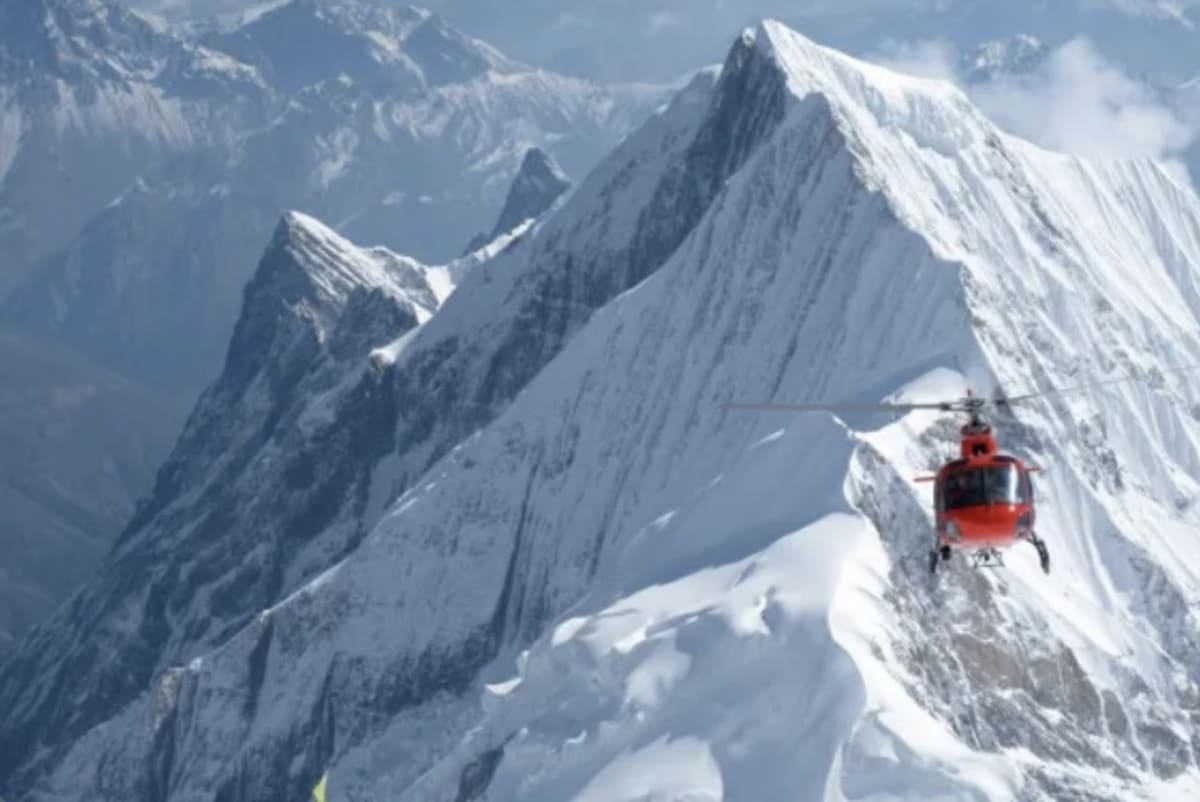
In April 2010, Daniel Aufdenblatten and Richard Lehner traveled to Nepal to teach local pilots high-altitude rescue techniques. Within days, they would perform the highest longline helicopter rescue ever recorded.
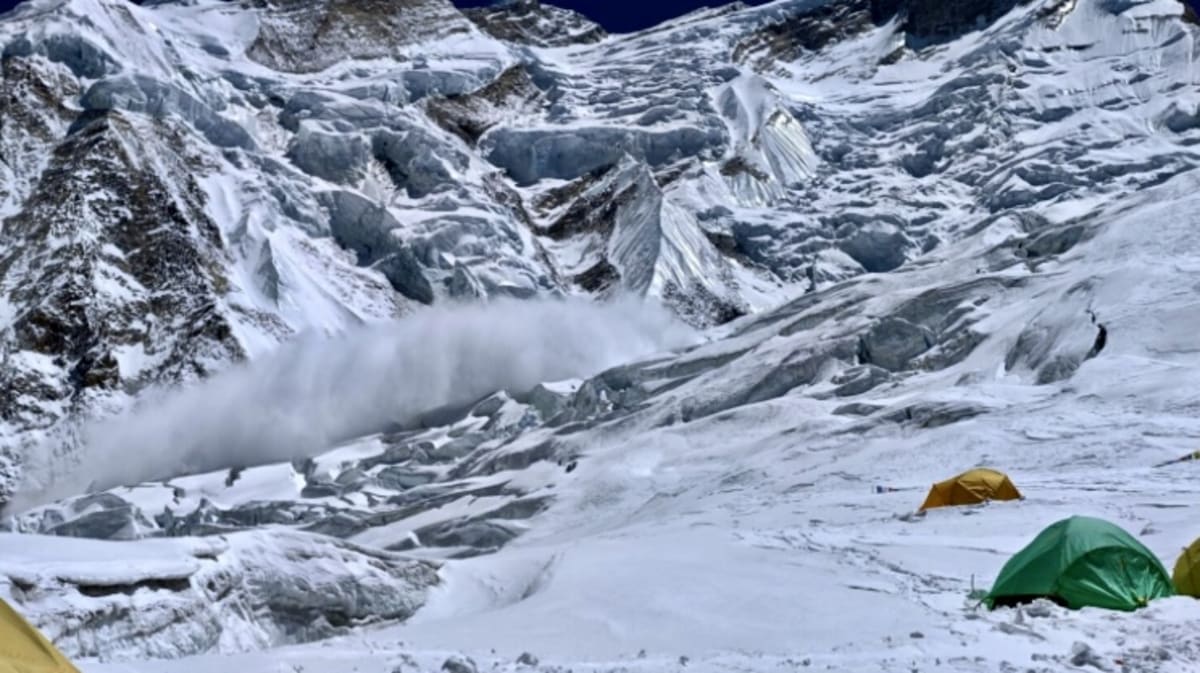
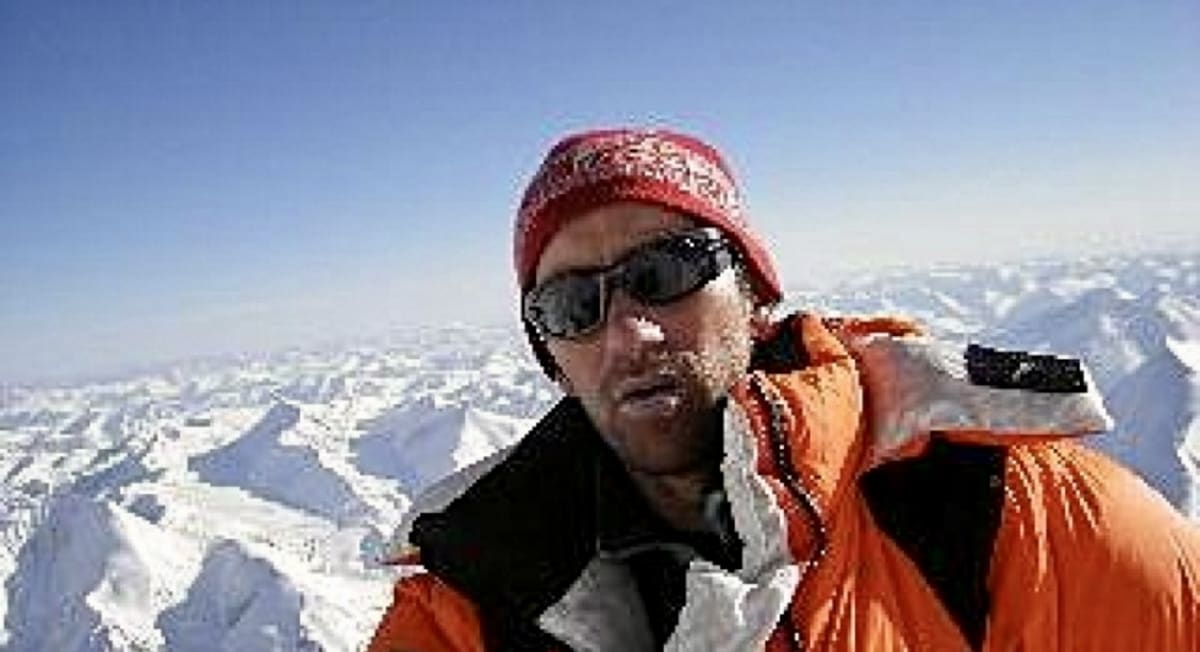
The crisis began on Annapurna I, the world's 10th highest mountain and one of its most dangerous. A Spanish climbing team summited on April 27, but their descent turned deadly when climber Bartolome Calafat collapsed at 25,000 feet in the dark. His legs simply stopped working.
His teammate Lhakpa Sonam Sherpa stayed with him through a freezing night, trying desperately to keep him alive. At dawn, rescuers radioed Calafat with the only motivation left: "Stand up if you want to see your wife and children." He tried, but couldn't move.
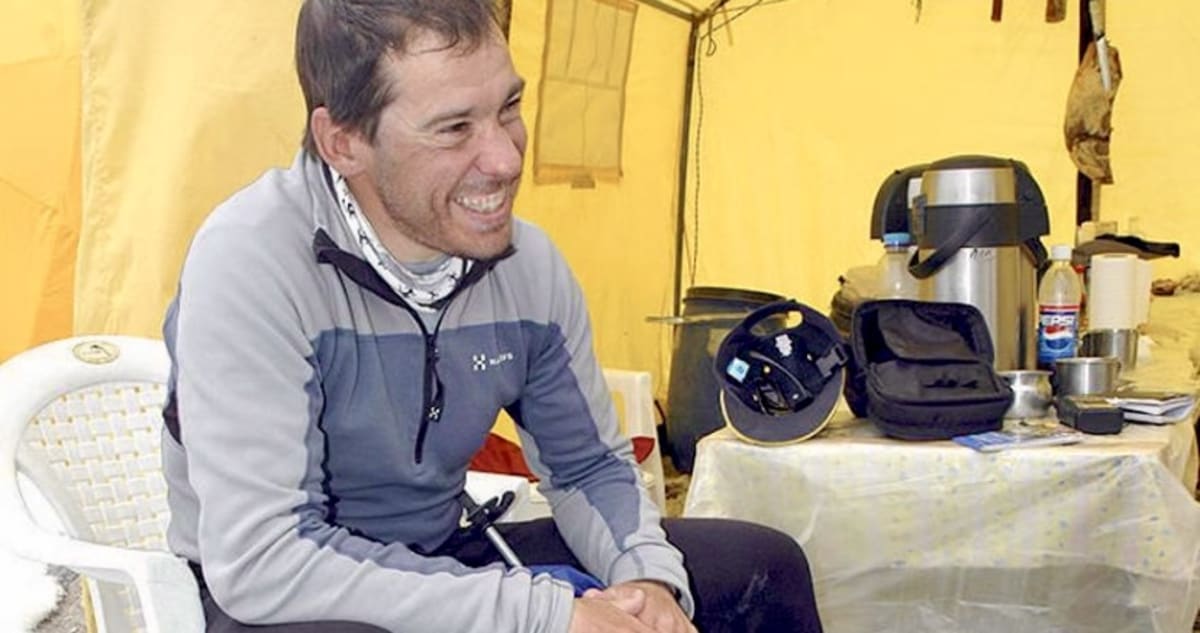
Two other climbers, Juanito Oiarzabal and Carlos Pauner, had made it down to Camp 4 at 23,000 feet but were in terrible shape themselves. Oiarzabal's feet were frozen and his eyesight was failing. Romanian climber Horia Colibasanu postponed his own descent to stay with them, even though remaining at that altitude was slowly killing him.
Aufdenblatten and Lehner faced an almost impossible challenge. At 23,000 feet, their helicopter had virtually no power reserves. The thin air provided barely enough lift, while violent mountain winds tossed the aircraft like a toy.
On early attempts, Lehner hung beneath the helicopter on a longline for 10 minutes, breathing through a makeshift oxygen tube as the crew tried to reach the stranded men. The climbers later said they thought they were hallucinating, watching the helicopter appear and disappear through blinding snow and glare.
The team stripped the helicopter's doors and seats to reduce weight. Aufdenblatten flew back alone, leaving Lehner on the ground to coordinate by radio. Using the simplest method possible, he hovered above Camp 4, dropped a line, and waited as each climber clipped in. Then he flew them down, one by one.
Why This Inspires
Three men came off that mountain alive because two instructors on a training mission refused to accept the word impossible. Aufdenblatten flew at the absolute edge of what his helicopter could handle, where a single gust could have sent them all plummeting.
The rescue showed what humans can accomplish when skill meets courage. These weren't superhuman feats but rather ordinary people performing extraordinary acts because someone needed help. Colibasanu risked his life to stay with teammates he'd just met. The Swiss pilots pushed their machine and themselves beyond all safe limits.
Every person involved chose to act when walking away would have been easier and safer. That choice made all the difference between three families getting their loved ones back or losing them forever on a frozen mountainside.
More Images

Based on reporting by Google: rescue saves
This story was written by BrightWire based on verified news reports.
Spread the positivity!
Share this good news with someone who needs it