Swiss Team Finds Nearly Perfect 150-Million-Year-Old Skull
A Swiss research team has uncovered only the second complete juvenile Camarasaurus skull ever found, perfectly preserved for 150 million years. The rare discovery offers scientists an unprecedented window into how these gentle giants grew and thrived during the Jurassic period.
Scientists in Switzerland just unwrapped a gift from the distant past: a juvenile dinosaur skull so perfectly preserved it looks like it was fossilized yesterday instead of 150 million years ago.
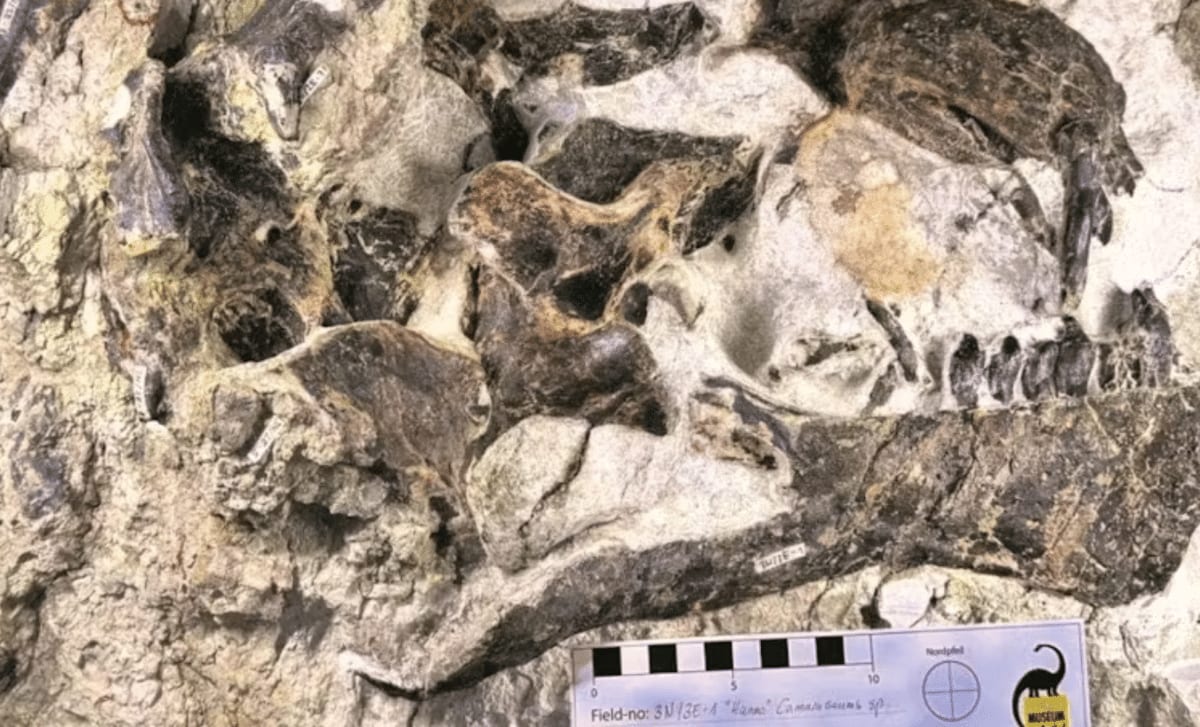
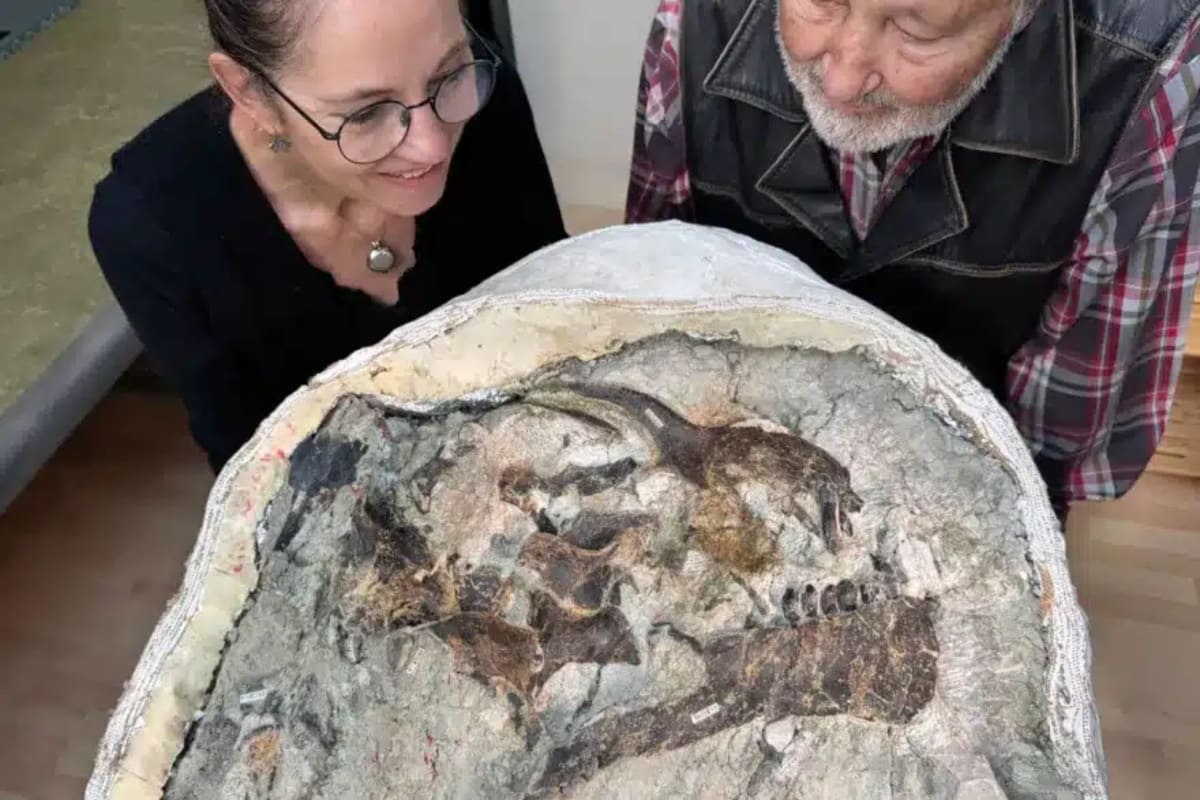
Researchers from the Dinosaur Museum in Aathal transported a massive boulder from Wyoming all the way to their Swiss lab, hoping it contained something special. What they found inside exceeded every expectation: an almost complete skull of a young Camarasaurus, nicknamed "Lucy," representing only the second find of its kind in history.
The Camarasaurus was a gentle giant, a long-necked herbivore that munched plants with shovel-shaped teeth across what is now the American West. But finding their skulls intact is incredibly rare because these dinosaurs evolved lightweight, delicate bones to support their enormous necks, making preservation nearly impossible.
"Only one skull of this size was known to date," explains Emanuel Tschopp, a researcher from the Free University of Berlin. That makes Lucy an extraordinary scientific treasure, offering clues about how these massive creatures developed from babies into the largest land animals ever to walk Earth.
The fossil came from Wyoming's Morrison Formation, a geological goldmine that has yielded famous dinosaurs like Stegosaurus and Brachiosaurus for over a century. This patch of now-dry American landscape once supported an ecosystem teeming with diverse prehistoric life.
Why This Inspires
Lucy's remarkably preserved teeth will help scientists understand what young sauropods needed to eat and how they adapted to their environment as they grew. Every detail locked in stone tells a story about survival, growth, and the incredible diversity of life that has thrived on our planet.
The discovery reminds us that Earth still holds countless secrets waiting to be uncovered. Patient scientists working in remote locations continue piecing together the magnificent puzzle of our planet's history, one fossil at a time.
Starting April 3, 2026, visitors to Aathal can see Lucy up close and connect with a world that vanished millions of years before humans took their first steps.
More Images
Based on reporting by Google: fossil discovery
This story was written by BrightWire based on verified news reports.
Spread the positivity!
Share this good news with someone who needs it