Sydney Housing Model Shows Promise After Bondi Attack
A Sydney supported housing program that helps homeless people with mental illness stay on medication is getting attention after a coroner's inquest. The model costs less than doing nothing and could prevent future tragedies.
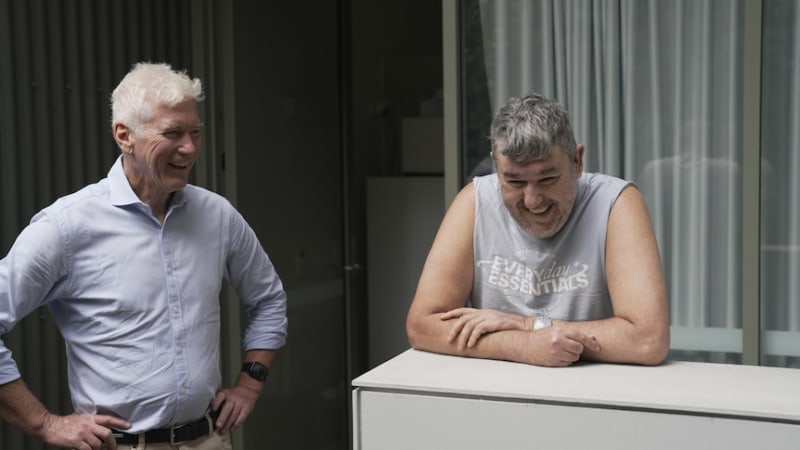
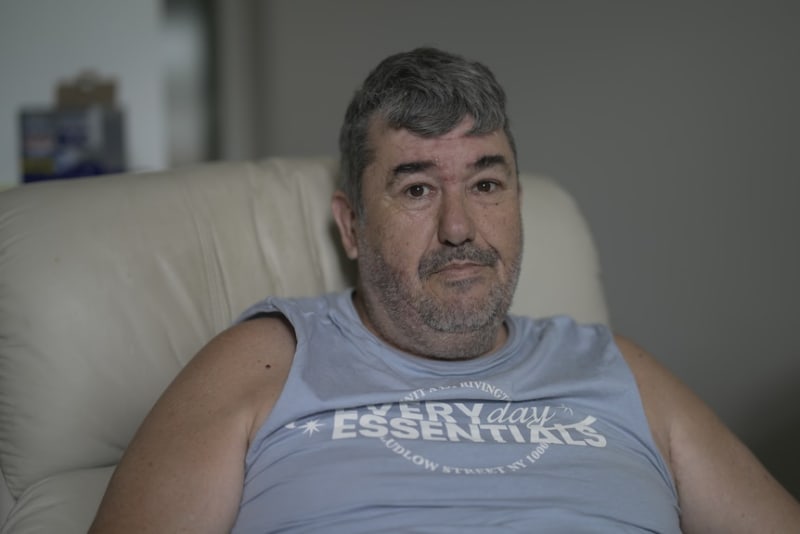
David Maddox knows what happens when he stops taking his medication for schizophrenia. Last time, he vandalized his apartment and ended up in jail.
Now he lives at Habilis, a quiet 18-unit building in Sydney's inner west that's changing how Australia thinks about homelessness and mental health. The program provides formerly homeless people with both a stable address and access to psychiatric care, including nurses and overnight support.
A coroner's inquest into the 2024 Bondi Junction attack, where Joel Cauchi killed six people during a psychotic episode, just recommended expanding programs exactly like this one. Cauchi had been homeless and off his medication since 2019, moving between Queensland and New South Wales with no fixed address for his medical team to reach him.
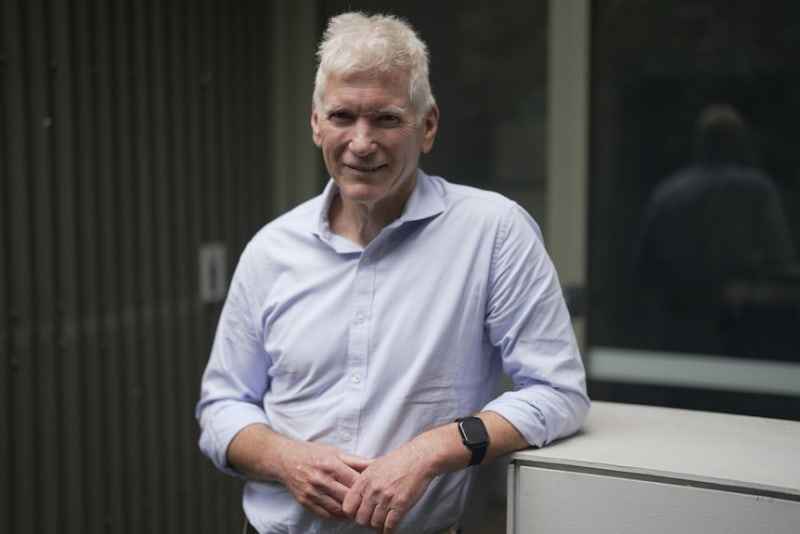
Professor Olav Nielssen, who founded Habilis, says the math is simple and surprising. "It costs more to neglect a homeless person than it costs to house and treat them," he explains, pointing to unnecessary healthcare visits, criminal justice costs, and emergency responses that add up fast.
About 3,000 people sleep rough in New South Wales each night, and Nielssen estimates one-third suffer from severe mental illness. He says roughly 1,000 supported housing beds across 50 facilities could address this finite problem.
Maddox, who now takes the anti-psychotic medication Clozapine, says living at Habilis makes staying on his medication much easier. "It makes you feel more calm," he told reporters, describing how the structure and support help him maintain his treatment schedule.
The program requires residents to take their medication as a condition of living there. That structure, combined with having psychiatric support on site, helps people like Maddox stay healthy and housed instead of cycling through hospitals, jails, and streets.
The Ripple Effect
The coroner's recommendation isn't just about preventing violence. Most people with chronic schizophrenia never hurt anyone, but without medication, they often hurt themselves through neglect, exposure, or risky situations.
When someone has a stable address, their medical team can find them for follow-up appointments and medication adjustments. They can build relationships with providers who understand their history. They can focus on recovery instead of survival.
The model already works in Victoria too, where a similar program called Haven operates. By highlighting both in her findings, Coroner Teresa O'Sullivan created a roadmap that other states can follow.
New South Wales now has a clear, tested solution to a problem that affects thousands and occasionally, tragically, spills into the wider community.
More Images

Based on reporting by ABC Australia
This story was written by BrightWire based on verified news reports.
Spread the positivity!
Share this good news with someone who needs it