Sydney Karate Teaches Resilience to Anxious Teens
A father-son karate academy in Sydney is helping teenagers combat stress and anxiety through martial arts training. Research shows the approach may prevent hundreds of thousands of young Australians from developing mental health disorders.
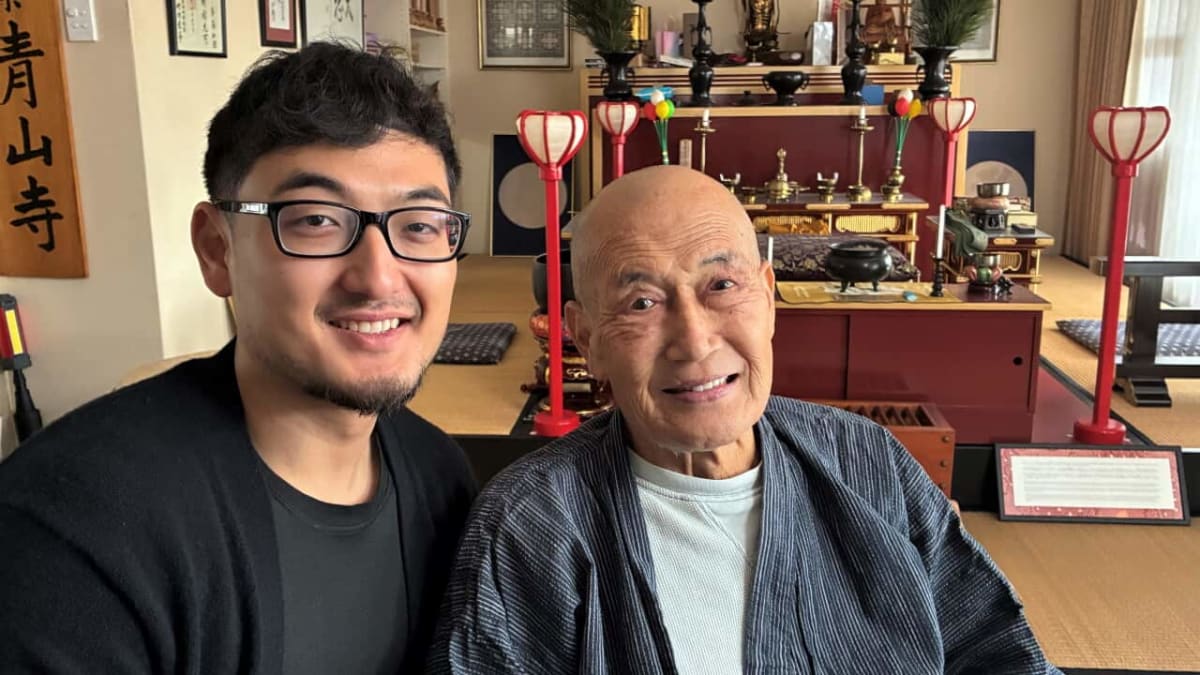
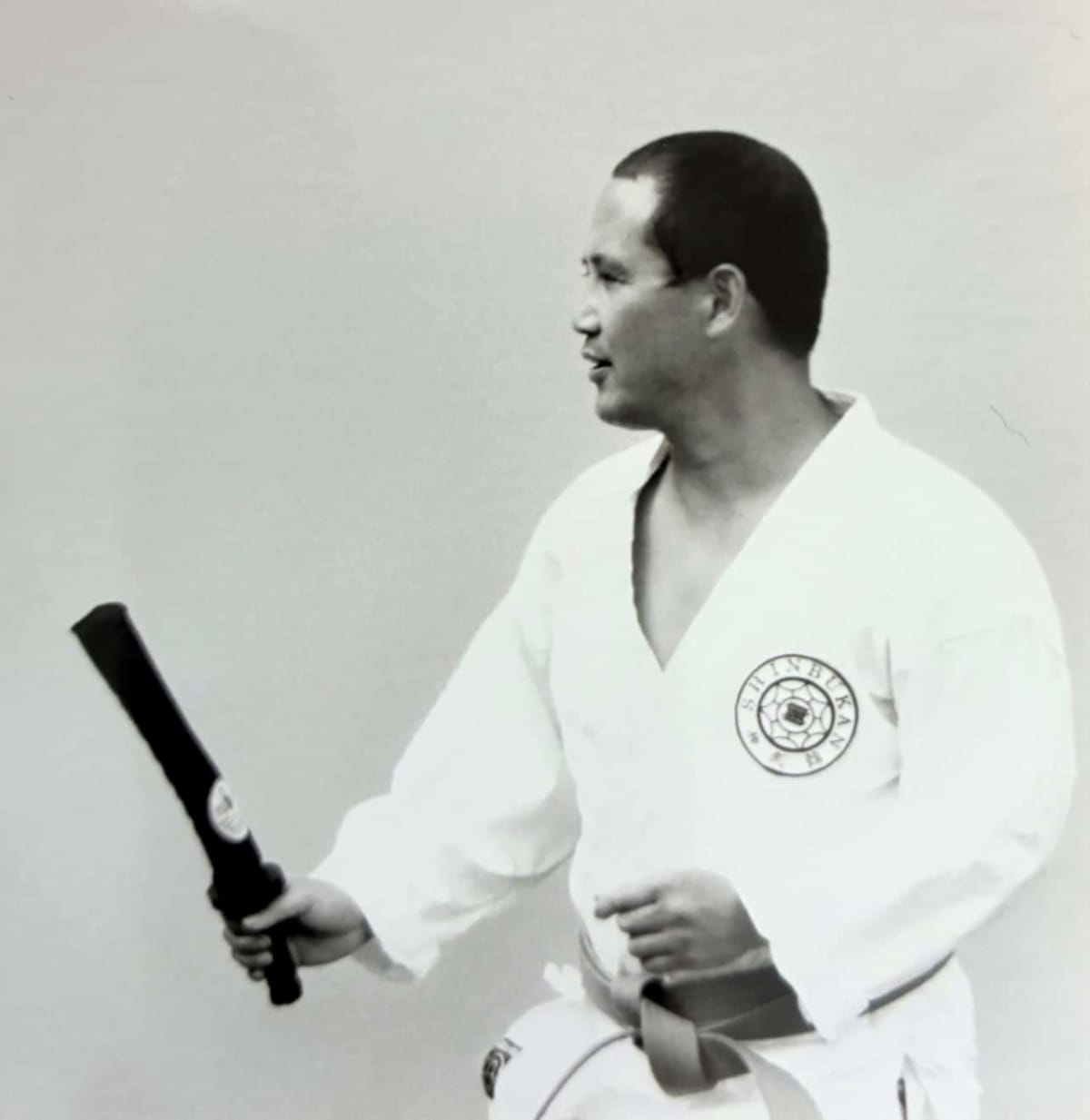
On a foggy Sydney morning, 81-year-old karate master Kazuo Saito moves through practiced strikes alongside his son Harrison, teaching lessons born not from sport, but from survival in post-war Tokyo.
Kazuo learned karate as a child to survive dangerous gang-filled streets after his father died in World War II. Now his son Harrison, 28, uses those same disciplines to help Australian teenagers navigate a different kind of battle: anxiety, academic pressure, and social media stress.
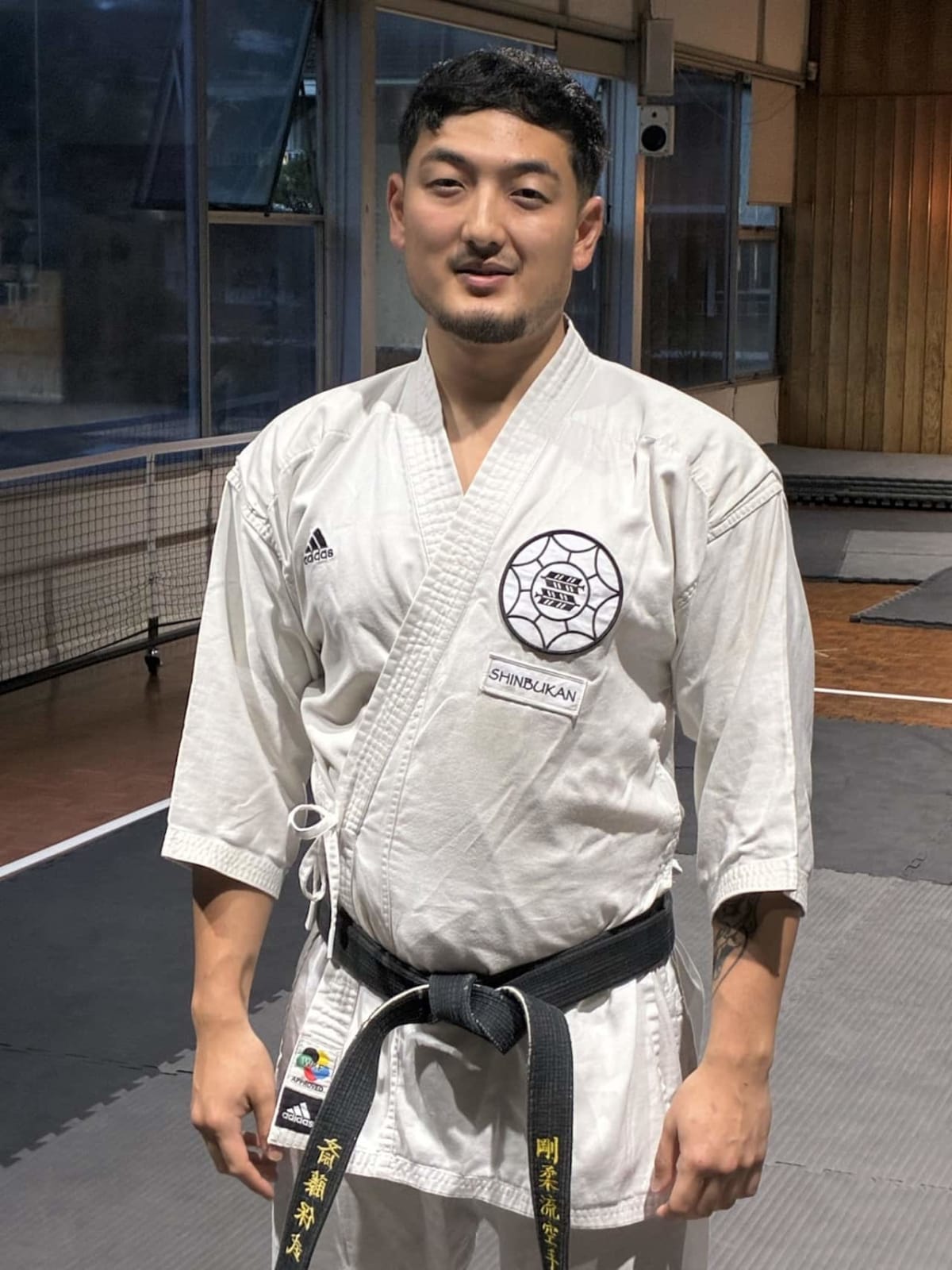
Up to half of all Australian teens are projected to face depression or anxiety by age 20. Harrison, who holds a black belt and teaches high school, runs karate classes three nights a week specifically to help students manage that pressure.
"Fear will always be there, but they can learn to sit with that uncertainty and bring themselves to a functional baseline," Harrison tells students at his family's martial arts academy.
The approach has scientific backing. University of Wollongong researcher Brian Moore studied 283 secondary school students aged 12 to 14 and found martial arts training improved self-efficacy and wellbeing through physical activity.
One of Harrison's students, 17-year-old Aiden Jacobs, has trained for four years while managing exam stress. He credits karate with helping him stay calm during overwhelming study periods.
Moore's research suggests investing between $50 million and $1 billion annually in such intervention programs could prevent up to 787,000 young Australians from experiencing anxiety and depression by 2050. The economic benefit to society could reach $74 billion.
Why This Inspires
The Saito family represents something rare: a direct line of knowledge passed across generations, now adapted to solve modern problems. What Kazuo learned as survival skills in bombed-out Tokyo, Harrison transforms into emotional resilience tools for digital-age teenagers.
The karate they teach traces back centuries to Okinawa, where unarmed farmers developed defensive techniques. That same foundation now helps Australian students defend against invisible opponents like panic, stress, and self-doubt.
Harrison watches his students gain mastery not just over kicks and strikes, but over their racing thoughts and fears. Moore emphasizes martial arts isn't psychological therapy, but it creates opportunities for accomplishment and self-improvement that benefit mental health.
Across three nights each week, Harrison continues his father's legacy, transforming ancient combat techniques into modern coping mechanisms. Between homework and social media, his students learn an old truth: strength isn't the absence of fear, but the ability to act despite it.
More Images

Based on reporting by SBS Australia
This story was written by BrightWire based on verified news reports.
Spread the positivity!
Share this good news with someone who needs it