Sydney Scientists Make Green Hydrogen from Seawater
Australian researchers have cracked a major puzzle in clean energy production: creating green hydrogen from seawater using liquid metal and sunlight. This breakthrough could help decarbonize industries without competing for precious freshwater supplies.
Scientists at the University of Sydney just opened a new door in the race for clean energy, and it runs on sunshine, seawater, and a metal that melts in your hand.
Professor Kourosh Kalantar-Zadeh and his team have developed a process that uses liquid gallium to harvest hydrogen from both fresh and saltwater. The best part? The process is circular, meaning the gallium can be recycled and used again and again.
Green hydrogen has long been seen as a missing piece in the climate puzzle. While batteries work great for cars, sectors like shipping, manufacturing, and heavy industry need something with more punch. Hydrogen fits the bill perfectly, but making it affordably has been the challenge.
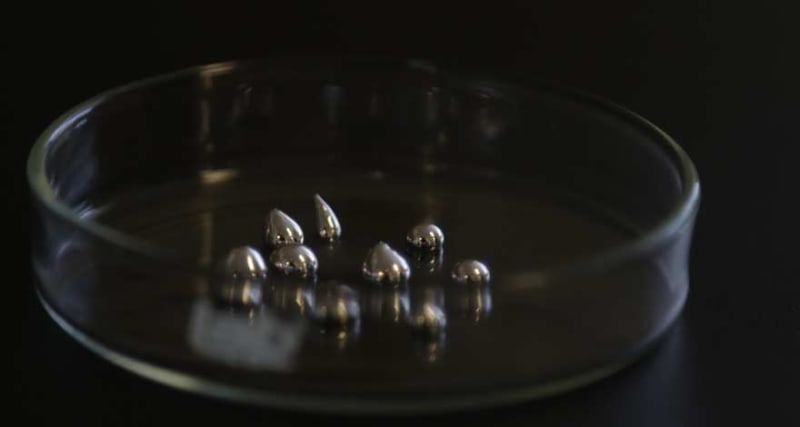
Enter gallium, a silvery metal with an unusual property. At room temperature it looks solid, but warm it to body temperature and it transforms into shimmering liquid puddles. When this liquid metal sits in water and catches sunlight, something remarkable happens at its surface.
The gallium reacts with the water, creating pure hydrogen gas and a byproduct called gallium oxyhydroxide. Here's where the circular part comes in: that byproduct can be converted back into gallium, ready to make more hydrogen. Nothing goes to waste.
PhD candidate Luis Campos explains that gallium's surface is naturally "non-sticky," meaning most materials can't attach to it. But add water and light, and that inert surface becomes a hydrogen factory. "Gallium has not been explored before as a way to produce hydrogen at high rates when in contact with water," said Professor Kalantar-Zadeh. "Such a simple observation that was ignored previously."
The current efficiency sits at 12.9 percent, which might sound modest. But Professor Kalantar-Zadeh puts this in perspective: silicon solar cells started at just six percent in the 1950s and didn't break 10 percent until the 1990s. Now they power homes and cities around the world.
The Ripple Effect
This breakthrough solves two problems at once. First, it offers a new pathway to producing green hydrogen that doesn't rely solely on electricity-hungry electrolysis. Second, and perhaps more importantly, it works with seawater.
Freshwater scarcity already affects billions of people worldwide. Using seawater for hydrogen production means clean energy doesn't have to compete with drinking water, agriculture, or ecosystems. In water-stressed regions like Australia, that's not just convenient. It's essential.
The team is now working to scale up their proof of concept, with plans for a mid-scale reactor. If they can boost efficiency and demonstrate industrial viability, this liquid metal approach could help decarbonize some of the world's most stubborn polluters.
The path from lab to industrial scale isn't quick or easy. But then again, neither was solar power, wind energy, or any of the clean technologies we now take for granted.
More Images



Based on reporting by Google News - Australia Breakthrough
This story was written by BrightWire based on verified news reports.
Spread the positivity!
Share this good news with someone who needs it