Sydney Students Launch Rocket 10,200 Feet in Outback NSW
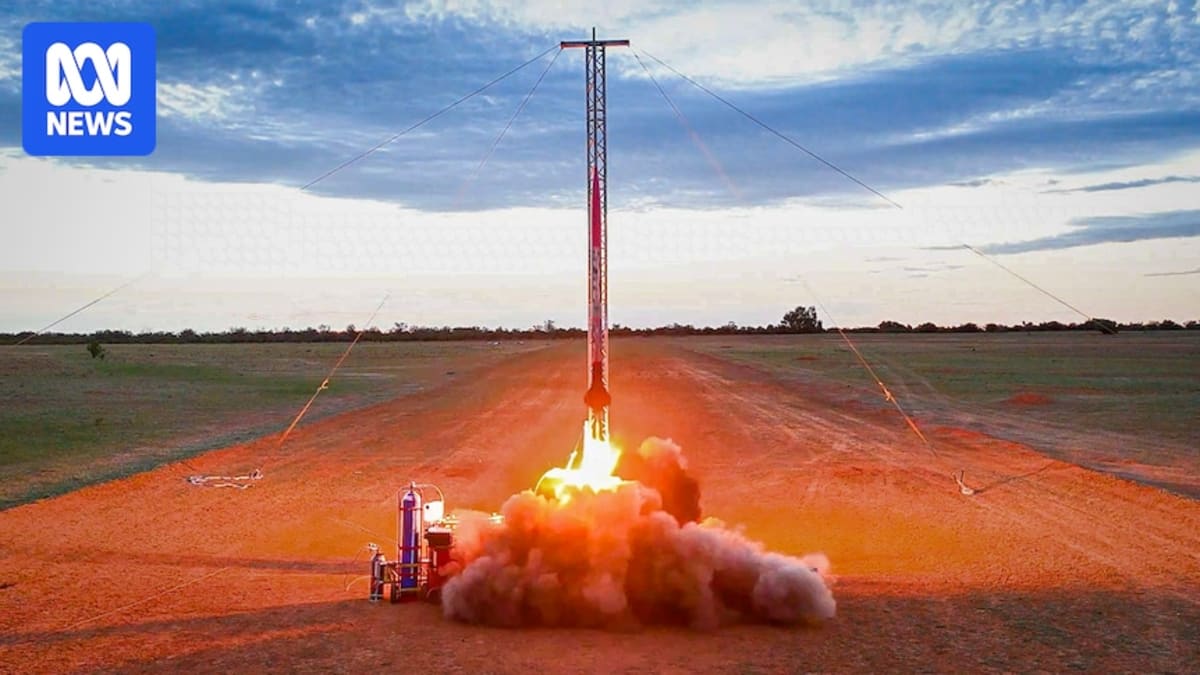
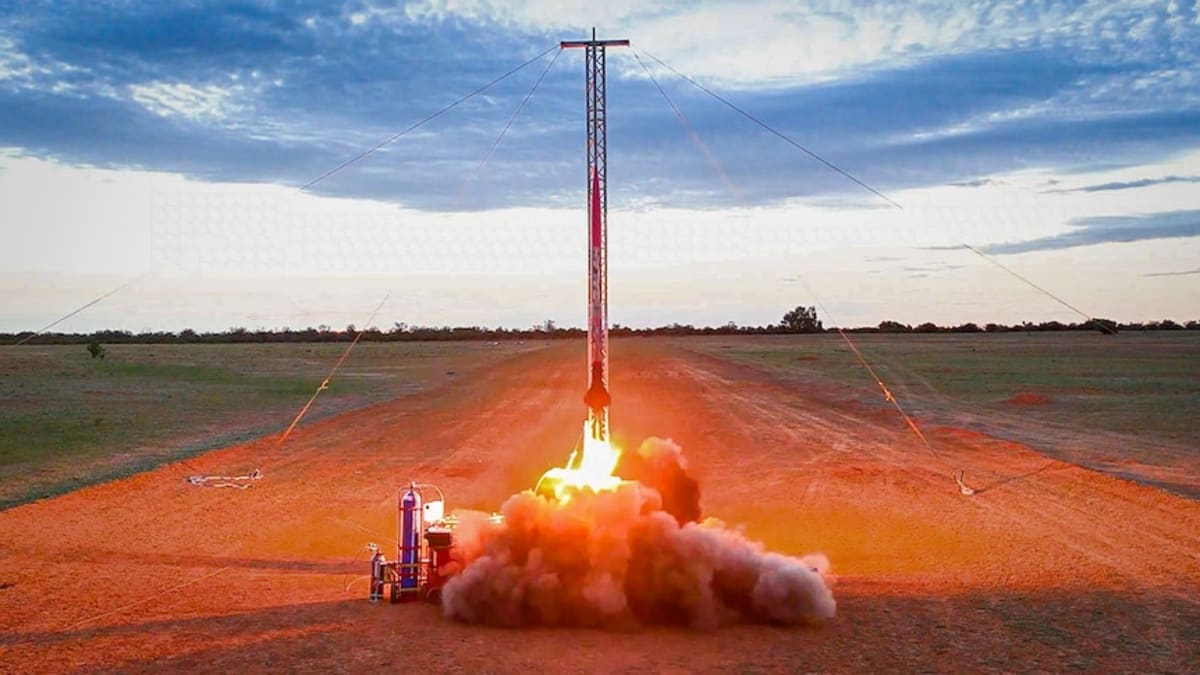
A team of 90 university students designed, built, and successfully launched a rocket over 10,000 feet into the sky at a remote Australian sheep station. The homemade rocket, named Galah, hit its target with pinpoint accuracy and will now compete against international teams in June.
Ninety students from the University of Sydney just proved that the future of Australia's space industry is in excellent hands.
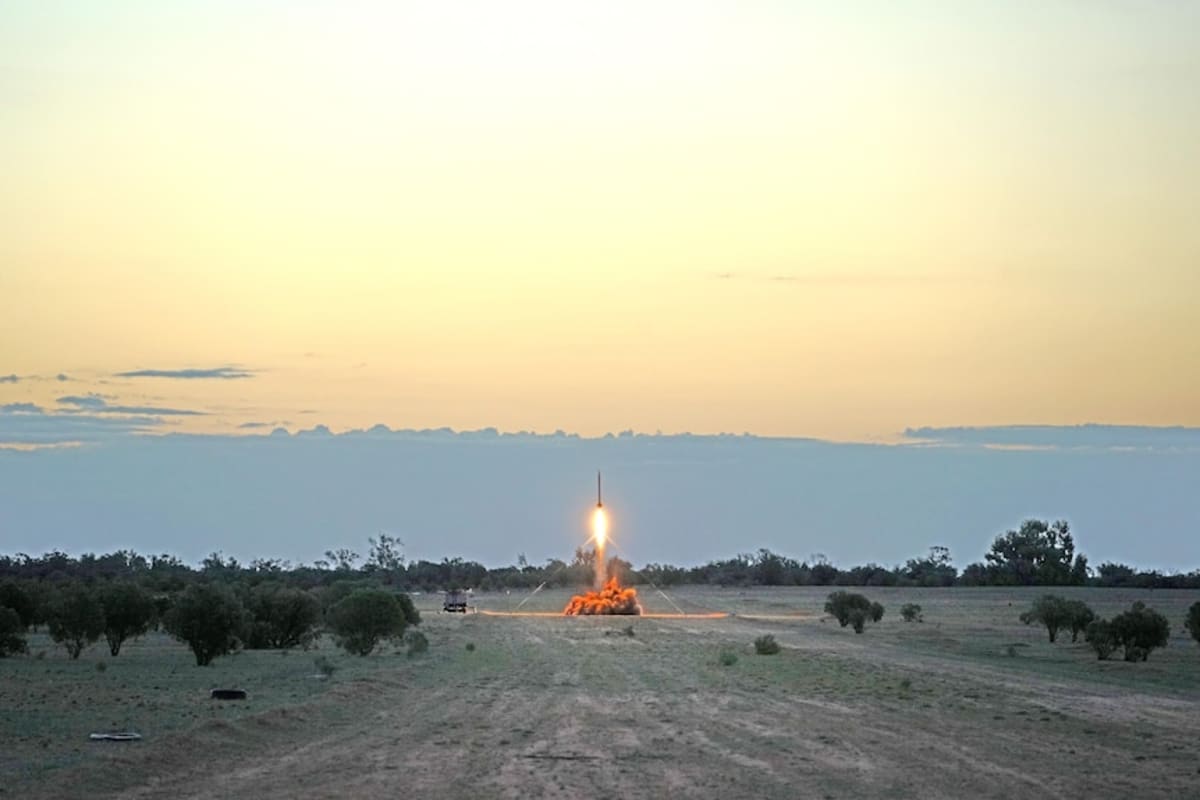
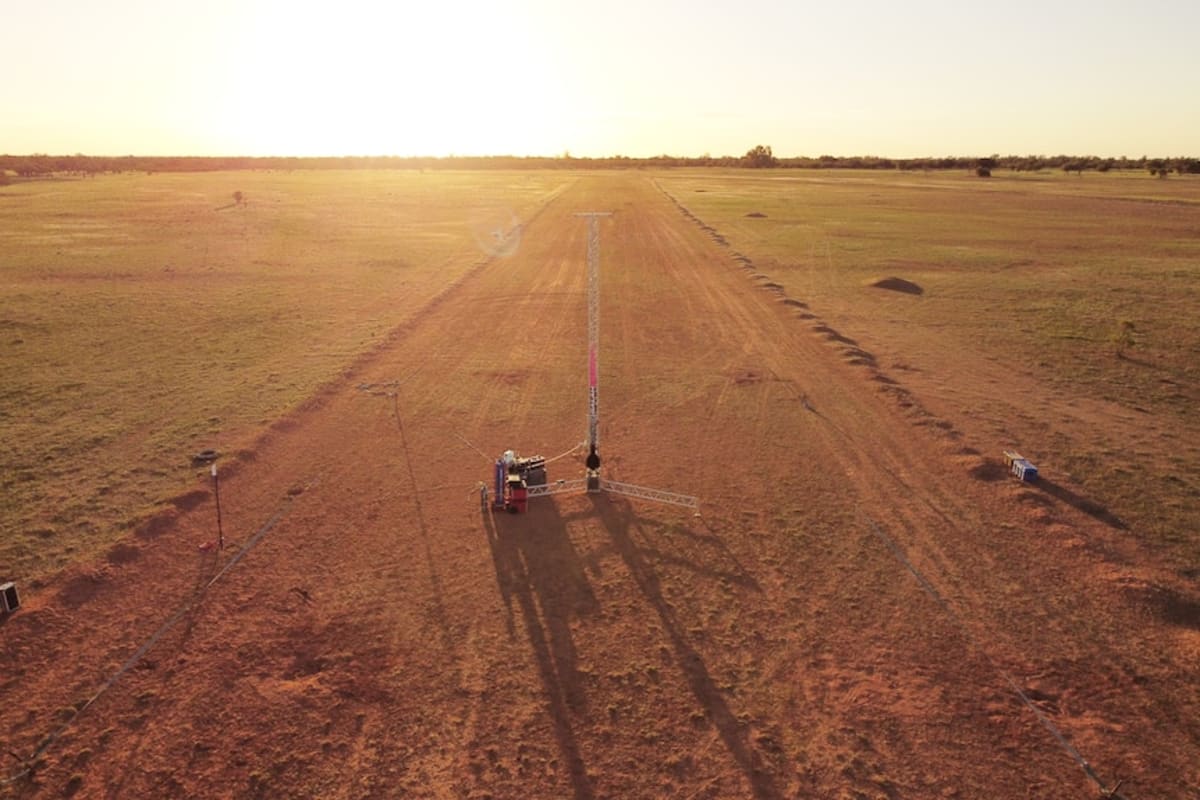
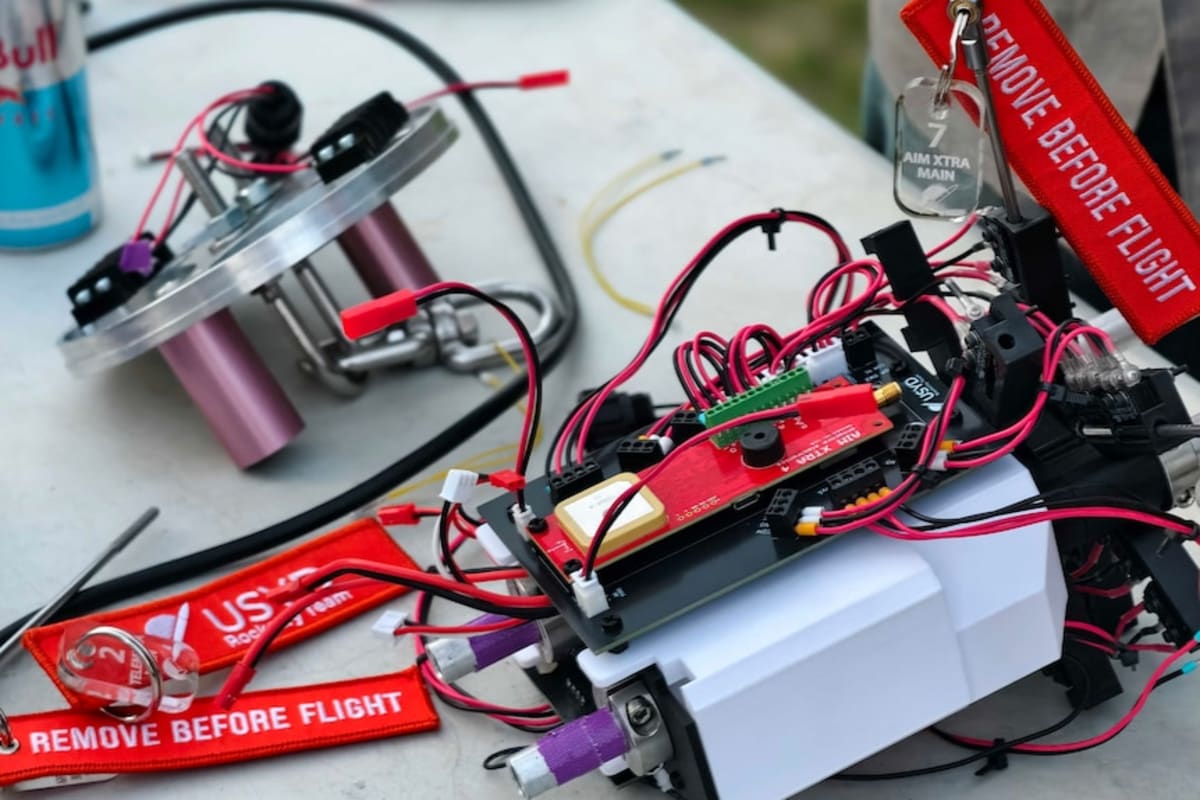
Over months of planning, calculation, and late-night design sessions, the team built a hybrid research rocket named Galah from scratch. Every component, from propulsion systems to flight controls, was student-designed. In April, 27 team members packed up their creation and drove 12 hours to Tolarno Station, a sheep property between Mildura and Broken Hill in far west New South Wales.
The challenge was simple but demanding: reassemble the rocket on-site and launch it to exactly 10,000 feet. The closer they got to their target, the better their score.
Galah soared to 10,200 feet, just 200 feet over target. The launch was a triumph of precision engineering and teamwork.
"It's 10 times cooler when it's something you've put together," said Charlie Balderstone, a third-year mechatronic engineering student and technical director of the project. His team coordinated specialists in electronics, structures, propulsion, and ground support to pull off the launch.
What makes this program special is its accessibility. Project manager Michael Bogeholz explained that participants come from all corners of the university, not just engineering. Arts majors, science students, and computer science specialists all contribute, handling everything from finances to media to sponsorships alongside the technical work.
Lillie Mellin, a fifth-year student studying mechatronic engineering and law, serves as systems engineer. She's watched the program evolve since 2022. "It's hands-on and technically so much more demanding than other experiences at uni," she said. "It's been a really good insight into how engineering works in the real world."
The program has shifted toward younger students taking leadership roles. In 2022, most participants were in their final years of study. Now, first and second-year students are stepping up, gaining valuable experience early in their academic careers.
The Ripple Effect
The Tolarno Station launches are just the beginning. In June, the team will compete at the International Rocket Engineering Competition in the United States, facing off against teams from RMIT University, four American schools, and teams from Canada and Turkey.
This is the team's fourth rocket targeting 10,000 feet, and they've already won twice at international competitions. Pardalote won first place last year after reaching 10,342 feet, and Silvereye took top honors in 2019 with a 10,027-foot flight.
These wins aren't just trophies on a shelf. They represent real-world skills that translate directly into careers in Australia's growing space industry. Students learn project management, systems engineering, and cross-disciplinary collaboration under real pressure.
About 60 additional team members stayed back in Sydney during the launch, monitoring data and supporting remotely. The experience gives all participants a taste of how large-scale engineering projects actually work, far beyond textbook theory.
The sky is no longer the limit for these young innovators.
More Images
Based on reporting by ABC Australia
This story was written by BrightWire based on verified news reports.
Spread the positivity!
Share this good news with someone who needs it