Sydney Wildlife Bridge Saves Quolls, Koalas From Highway Deaths
A retrofitted bridge over one of Australia's busiest highways now gives endangered animals a safe path between two national parks. The innovative design includes rope crossings for gliders, wooden pathways for koalas, and vegetated corridors for wombats and echidnas.
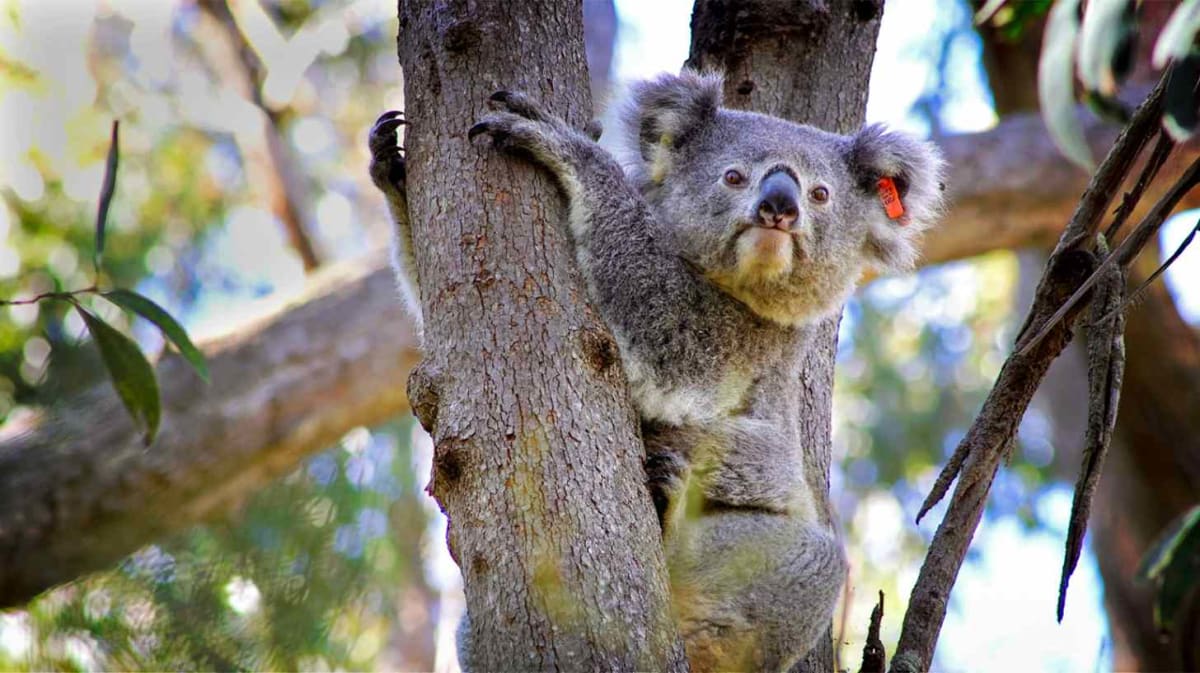
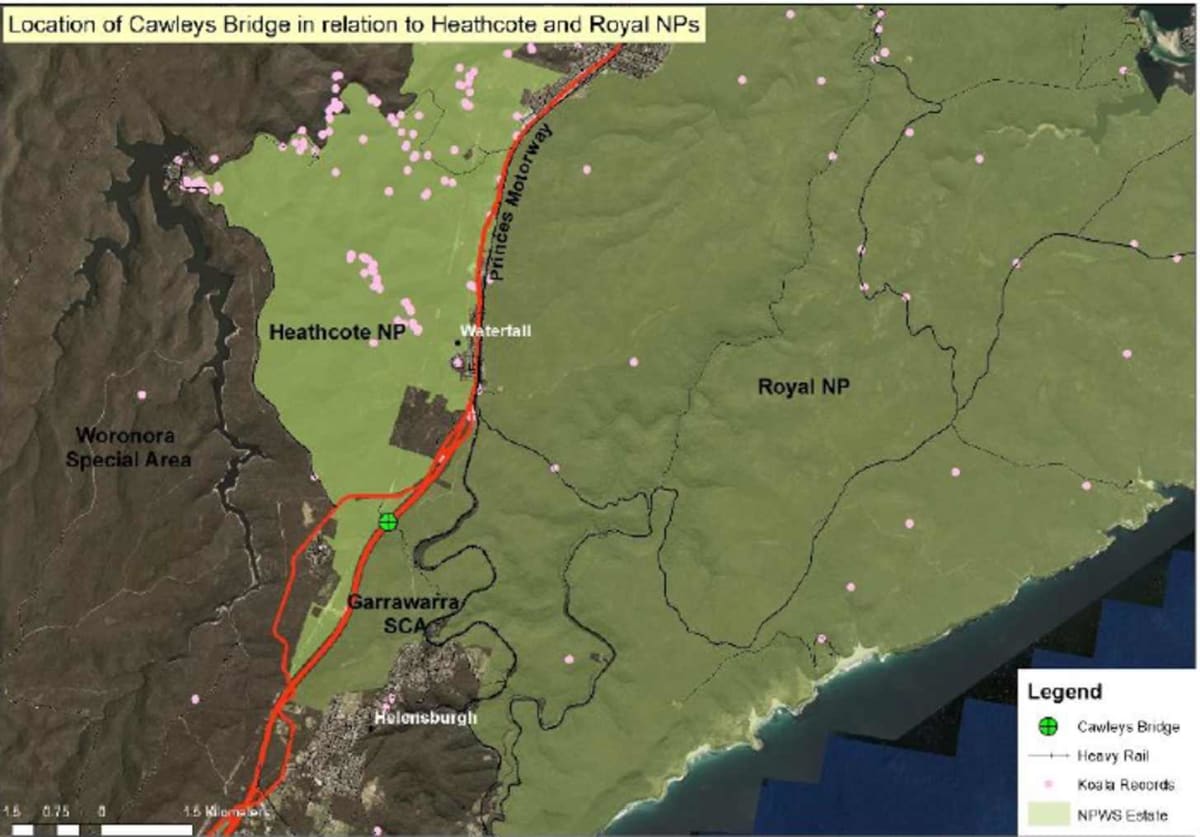
For decades, spotted-tailed quolls and koalas died trying to cross the M1 Princes Motorway south of Sydney, where 40,000 vehicles speed past daily between two national parks. More than 200 large animals perished in just five years on this stretch of highway that split their habitat in two.
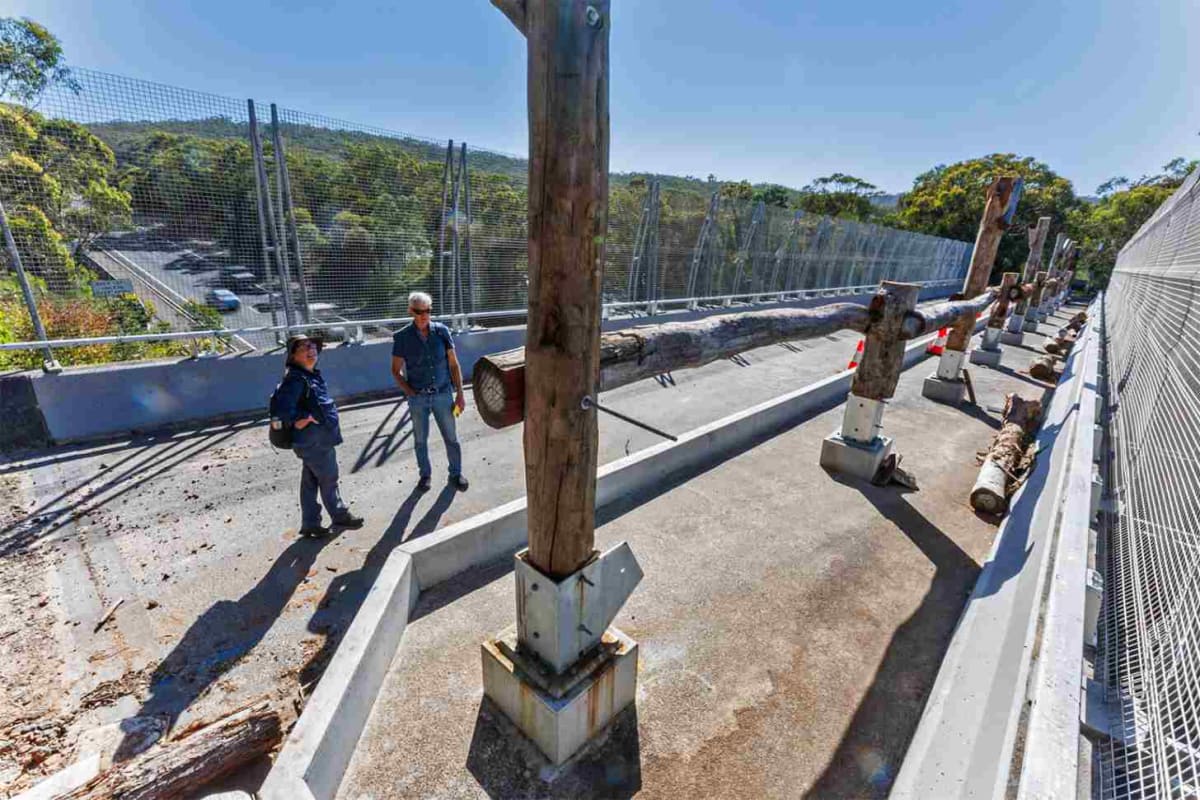
Now, those animals have a bridge built just for them. Cawleys Bridge, once a bare concrete maintenance structure, has been transformed into a lush wildlife overpass connecting Heathcote National Park and Royal National Park.
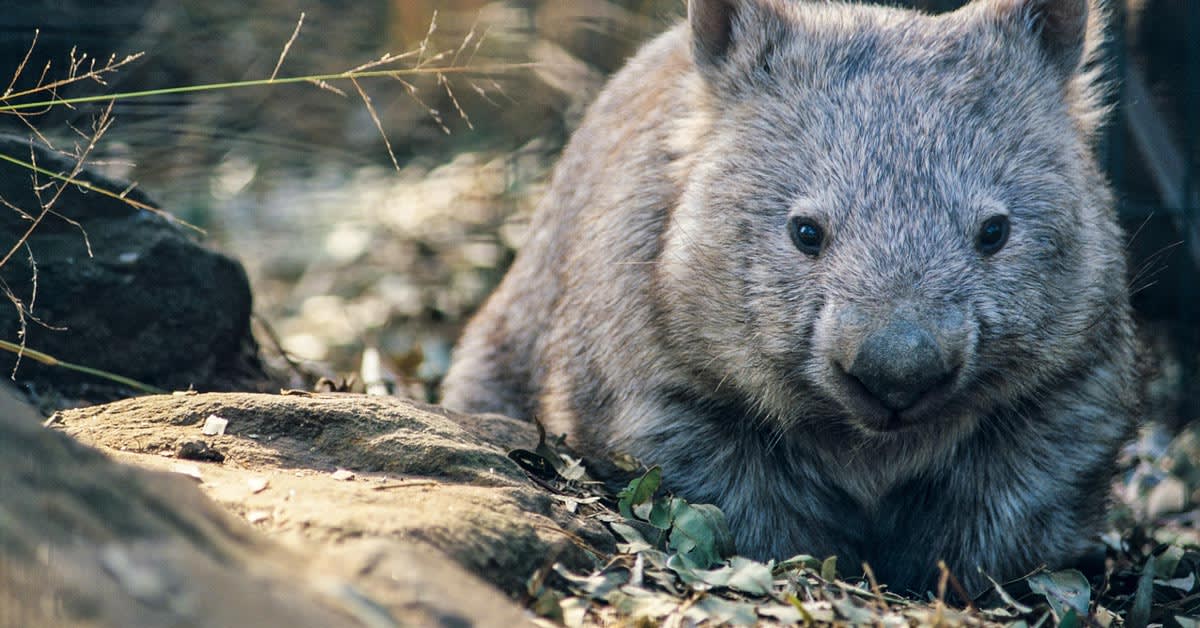
The bridge's design accommodates everyone from tiny endangered red-crowned toadlets to full-grown wombats. Thick ropes drape across open space for sugar gliders and ringtail possums who prefer traveling through tree branches. Below them, wooden pathways give koalas and reptiles a comfortable route across. At ground level, native plants and soil create a natural corridor for wombats, echidnas, amphibians, and insects.
Motion-sensing cameras installed before the retrofit told a stark story. During winter, nothing crossed the bare bridge. Summer brought only a few monitor lizards and one ringtail possum brave enough to venture across the hostile concrete expanse.
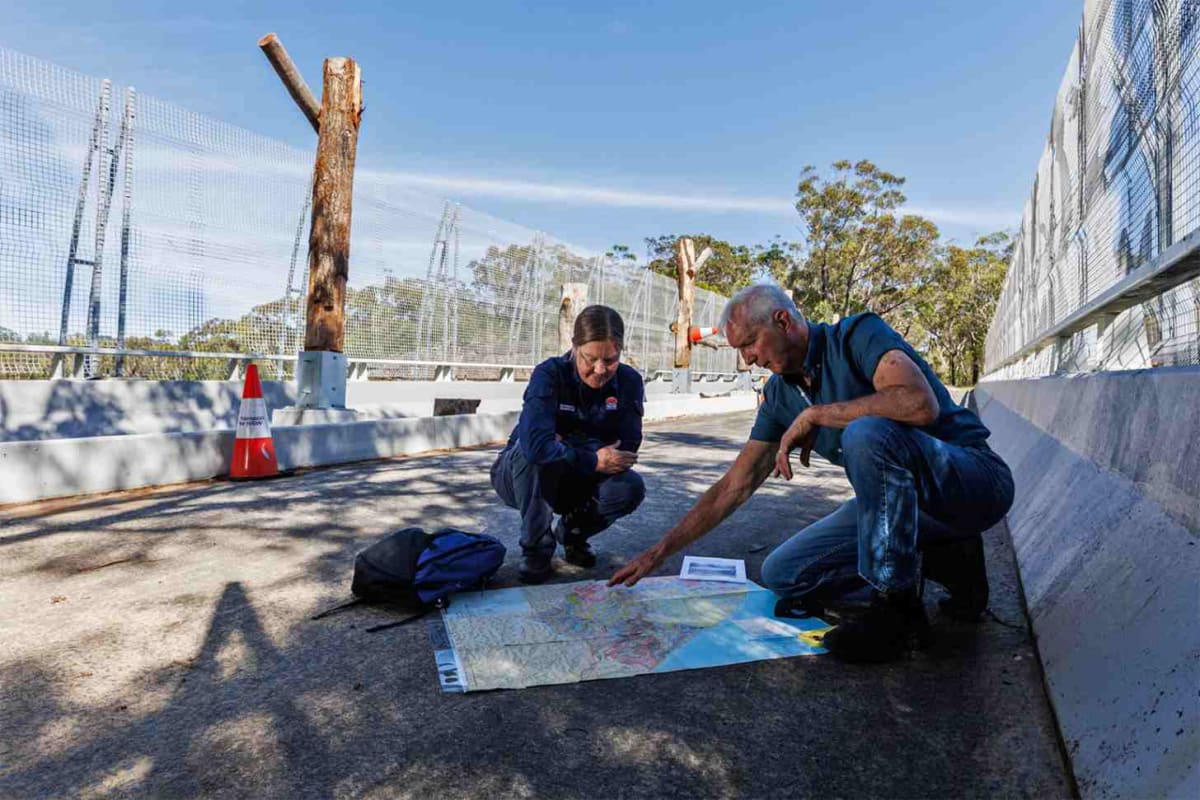
"It was such an unfriendly situation," said Kylie Madden, an ecologist with New South Wales Environment and Heritage. Her team worked for years to make this crossing happen.
Long fencing wings now funnel animals toward the bridge and away from traffic. The carefully placed features matter because crossing isn't just about avoiding cars. On the other side of that highway lies essential territory with food sources and mates with different DNA, both crucial for species survival as roads and climate change isolate wildlife populations.
The Ripple Effect
The science behind Cawleys Bridge comes from research across Australia and beyond proving that wildlife crossings work when designed around how animals actually behave. These structures significantly reduce roadkill while helping species move, forage, and breed across larger territories.
As urban expansion and extreme weather events fragment habitats, reconnecting these isolated populations becomes critical for genetic diversity. Fresh soil now covers the bridge deck, and workers are positioning massive tree trunks to form a new ecosystem that feels like home to the animals who need it most.
Motion-sensing cameras are already documenting which species venture across and how often they make the journey. Early results will guide future wildlife crossings across Australia and prove what ecologists already suspect: when you build it right, they will come.
That spotted-tailed quoll waiting at the highway's edge finally has a safe path forward.
More Images
Based on reporting by Google: species saved endangered
This story was written by BrightWire based on verified news reports.
Spread the positivity!
Share this good news with someone who needs it