Syrian Families Keep Ramadan Traditions Alive in 2026
Across Syria, families are preserving centuries-old Ramadan customs, from polishing copper pots to "whitening the table" with yogurt dishes. Despite years of hardship, these cherished rituals continue to unite communities and pass joy to the next generation.
In Syrian homes this Ramadan, copper pots are gleaming, walls are freshly whitewashed, and the scent of yogurt-based dishes fills the air. Families across the country are keeping alive traditions that have shaped the holy month for generations.
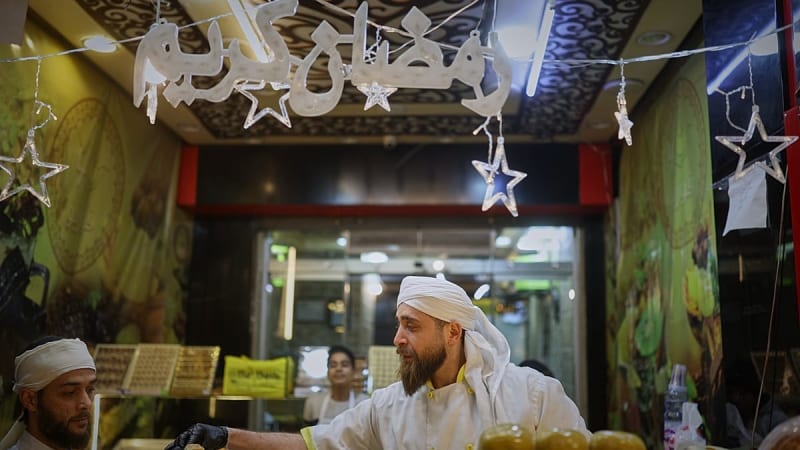
Days before Ramadan begins, Syrian markets buzz with families preparing for what locals call "Hajjat Ramadan." This isn't ordinary shopping. It's a collective celebration where families stock up on provisions and rush to buy new copper cookware or polish old pots, believing their shine brings blessing to the table.
In countryside villages, women still gather to paint neighborhood homes with white limewash before the month begins. The tradition, now rare, reflects the belief that outer cleanliness mirrors inner purity during this sacred time.
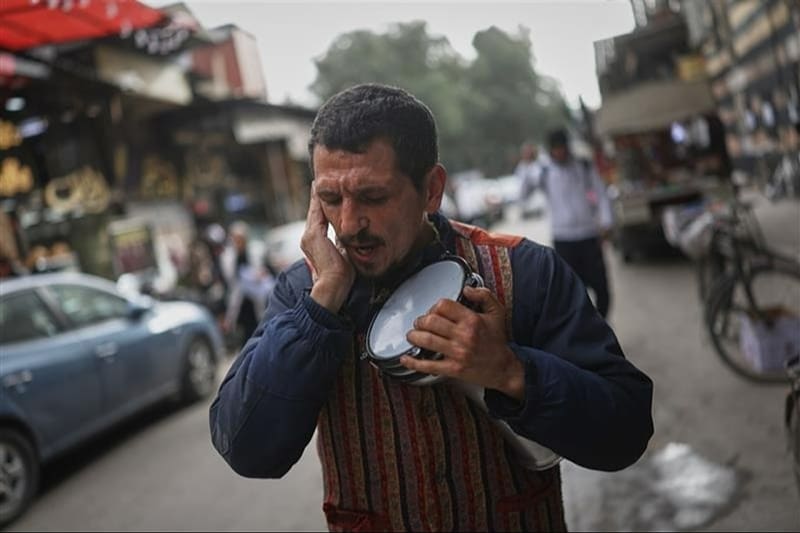
When the sun sets each evening, the sound of the Ramadan cannon echoes from Mount Qasioun in Damascus. Children race to hear the blast while elders set their watches by it, treating the boom as the very sound of time itself. This ritual dates back to the Mamluk and Ottoman eras and remains one of Syria's most cherished customs.
The Ripple Effect
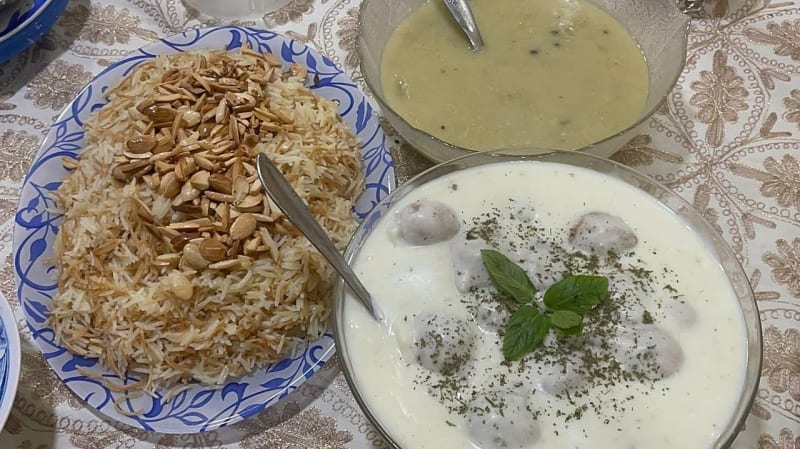
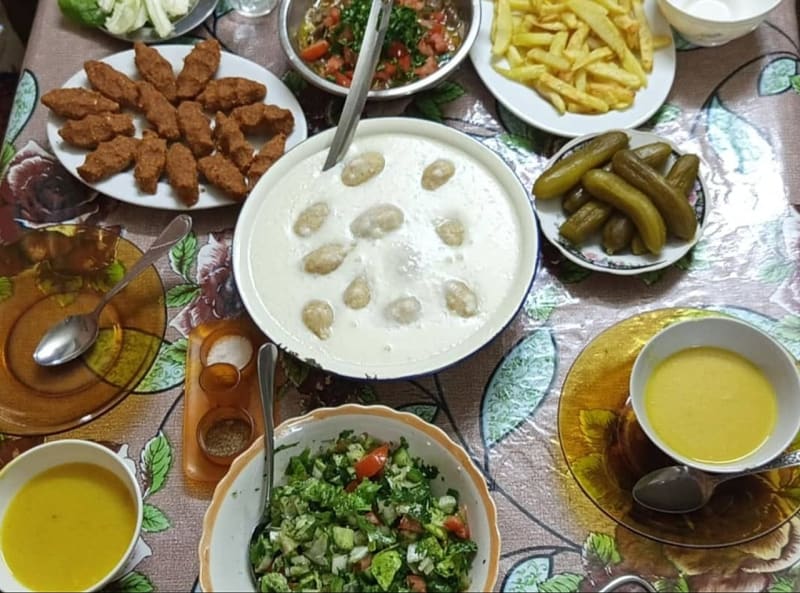
The tradition of "bedna nebayyda" or "whitening the table" shows how food connects generations. During the first days of Ramadan, Syrian families devote their meals almost exclusively to dishes made with yogurt. The table becomes a canvas of white, featuring shakriyeh (meat with yogurt and mint), kibbeh labaniyeh, and shish barak (meat-filled dough parcels in creamy yogurt sauce).
Dairy shops experience an extraordinary rush as families reserve large quantities of yogurt specifically for these opening days. In Damascus and Aleppo, some families arrange daily deliveries throughout the "whitening" period to ensure their tables never fall short.
This beautiful custom carries practical wisdom passed down through generations. Beginning with light, yogurt-based dishes after long hours of fasting helps the stomach gradually adjust, protecting digestive health while honoring tradition.
As the month progresses, iftar tables expand to include regional specialties. In Homs, families serve tamriyyeh, thin pastries filled with dates or cheese and soaked in sugar syrup. Traditional drinks like qamar al-din (apricot juice), jallab, tamarind, and licorice accompany every meal.
These rituals do more than fill stomachs. They weave together worship, family bonds, and cultural identity into a living tapestry that each generation inherits and protects. In neighborhoods across Syria, the sounds of traditional songs, the colors of special dishes, and the warmth of shared customs remind families that some beautiful things endure.
More Images

Based on reporting by Euronews
This story was written by BrightWire based on verified news reports.
Spread the positivity!
Share this good news with someone who needs it