Taiwan Collects $143M in First Carbon Fee Program
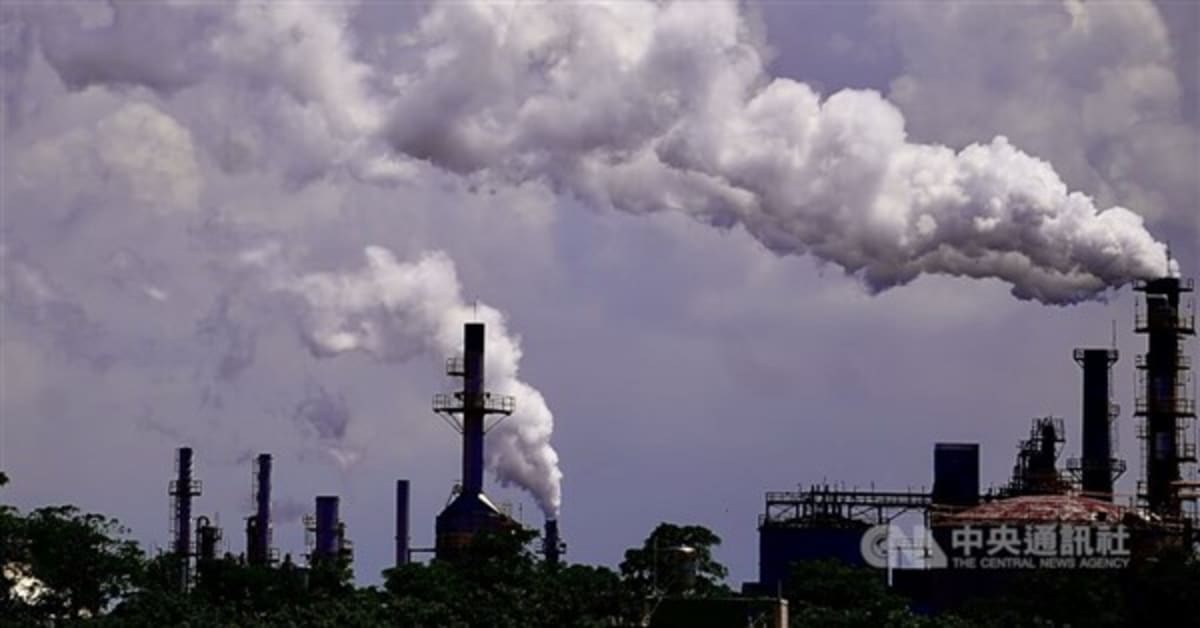
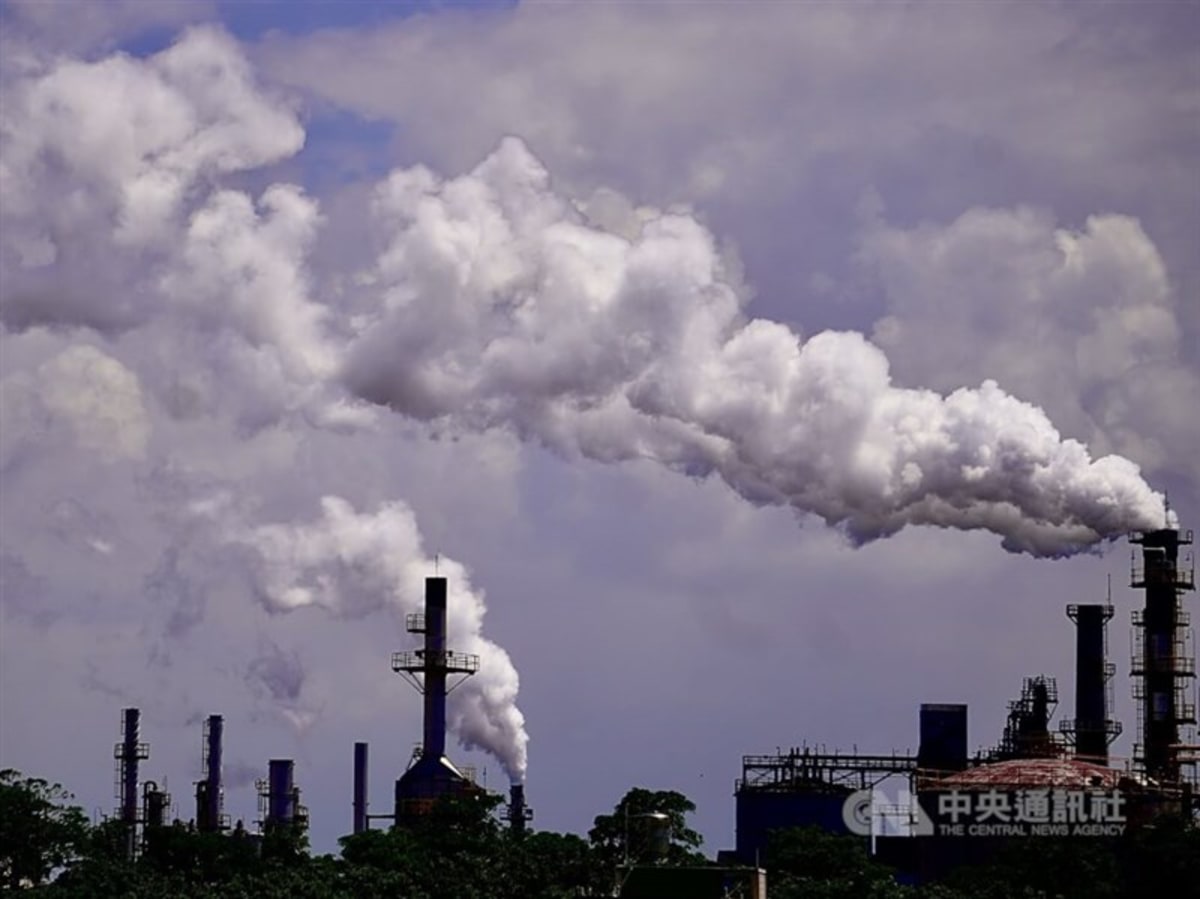
Taiwan just wrapped up its first year of charging companies for carbon emissions, collecting $143 million to fund clean energy innovation. Over 500 major polluters paid up, with most earning discounts for committing to cut their emissions. #
Taiwan just proved that putting a price on pollution can work without crushing businesses.
The island nation collected about $143 million in its first year of charging major companies for carbon emissions. The payment window, which opened after the carbon fee system launched in January 2025, closes at the end of May.
Here's what makes this different from typical government regulations. Companies that emit at least 25,000 metric tons of carbon dioxide annually had to pay, but the system rewards those trying to do better.
The standard rate was about $9.50 per metric ton. But companies that submitted solid plans to reduce their emissions got steep discounts, paying as little as $1.60 or $3.20 per ton instead.
Out of roughly 550 companies required to pay, 403 qualified for these lower rates by promising real action. That's nearly three-quarters of all affected businesses choosing to invest in getting cleaner rather than just paying the standard fee.
The system gets even smarter. Companies at high risk of moving production overseas to avoid carbon costs, like Taiwan Cement and major electronics manufacturers, received additional breaks to keep them competitive globally while still pushing them toward lower emissions.
These 224 facilities represent 76 percent of the 145 million tons of emissions subject to fees this year. With approved reduction plans, they effectively pay around 32 cents per ton, keeping jobs in Taiwan while funding the transition to cleaner operations.
The Ripple Effect
Every dollar collected goes right back into solving the problem that created it. Taiwan's earmarking $128 million of the revenue for emissions reduction technology, helping local governments adapt to climate change, and supporting workers in industries that need to transform.
The timing matters too. As fuel prices surge due to Middle East tensions, the government built in flexibility, letting companies apply for payment extensions or installment plans before the May 31 deadline.
This isn't just bureaucracy. It's a working model of how governments can drive meaningful climate action while protecting their economies and the people who depend on them.
Taiwan's approach shows the world that climate fees don't have to be punishment. When designed right, they become powerful incentives that make cutting emissions the smart business decision, not just the right environmental one.
#
More Images
Based on reporting by Google News - Emissions Reduction
This story was written by BrightWire based on verified news reports.
Spread the positivity!
Share this good news with someone who needs it