Taiwan Opposition Leader Seeks Peace Talks With China
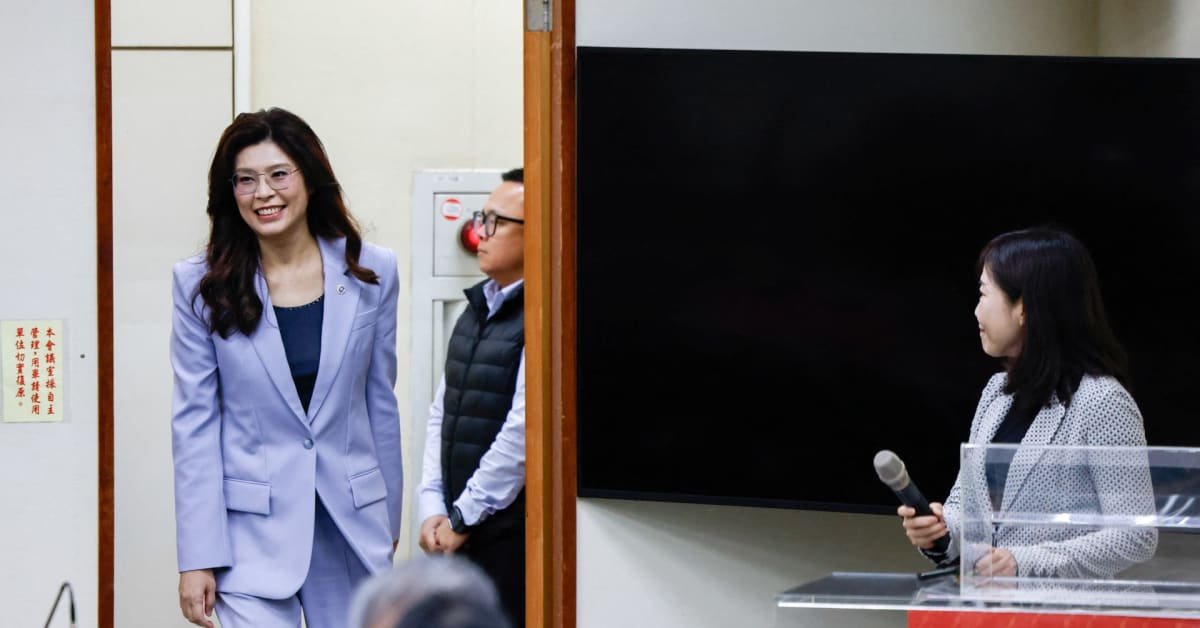
Taiwan's opposition party leader traveled to China this week with a message of reconciliation, hoping to ease tensions through dialogue. Her visit comes as military pressure increases across the Taiwan Strait.
A political leader is betting on conversation over confrontation in one of the world's most tense standoffs.
Cheng Li-wun, head of Taiwan's Kuomintang party, visited China on Wednesday with a bold mission: restart dialogue between two governments that haven't formally spoken in years. She laid a wreath at the tomb of Sun Yat-sen, the historical figure both sides still honor, and called for "reconciliation and unity" across the Taiwan Strait.
The symbolism runs deep. Sun founded the Republic of China in 1912, and while his government eventually retreated to Taiwan after losing a civil war in 1949, both Taiwan and mainland China still claim his legacy today.
Cheng acknowledged Taiwan's journey to democracy while also praising China's development, a delicate balance few politicians attempt. Her goal is clear: get people talking again before tensions spiral further.
The timing matters. China has ramped up military exercises near Taiwan, and Taiwan's parliament is currently stalling $40 billion in defense spending. Chinese President Xi Jinping refuses to meet with Taiwan's current president, calling him a "separatist."
Why This Inspires
In an era of rising global tensions, Cheng's journey represents something increasingly rare: the willingness to sit across from an adversary and talk. Not everyone back home supports her approach. Taiwan's ruling party insists strength, not dialogue, keeps the peace.
But a 19-year-old student who came to see Cheng's motorcade put it simply: "This is very important for peaceful exchanges between the two sides."
Cheng argues that defense spending and dialogue aren't opposites but partners. Taiwan needs both strength and open channels of communication. While China and Taiwan have vastly different political systems, one is a democracy and one is not, finding common ground through shared history might create space for stability.
The visit won't solve decades of complex political disputes overnight. But in a region where military miscalculation could affect millions, every conversation counts.
One leader chose to show up, extend a hand, and try.
Based on reporting by Google News - Reconciliation
This story was written by BrightWire based on verified news reports.
Spread the positivity!
Share this good news with someone who needs it