Taiwan's Gogoro Turns Profit Corner With Battery Swap Pivot
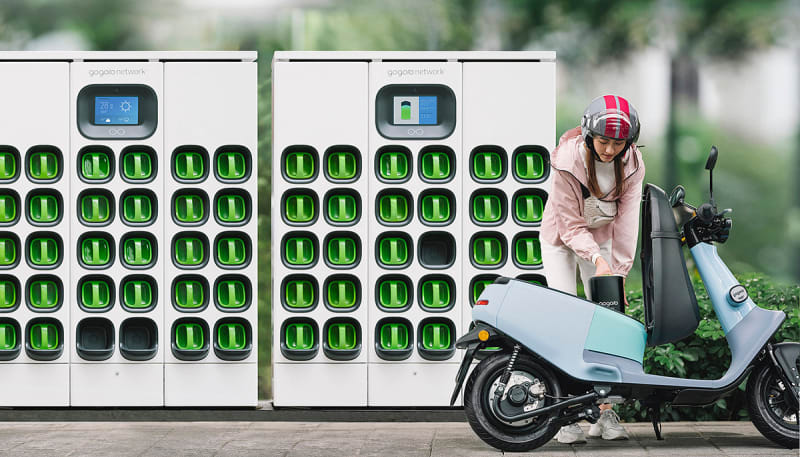
After years of bleeding cash, electric scooter pioneer Gogoro is finally stabilizing by focusing on what actually works: its battery swapping network. The company that once aimed to be the "Tesla of scooters" just proved there's more than one path to sustainable transportation.
📺 Watch the full story above
A Taiwanese company that nearly went under chasing growth has found its footing by getting back to basics, and the turnaround offers hope for clean transportation worldwide.
Gogoro, the electric scooter company that pioneered battery swapping in Taiwan back in 2011, lost $122 million in 2024 trying to be everything to everyone. But under new CEO Henry Chiang, the company made a crucial pivot: stop selling premium scooters and start treating their swap network as the real product.
The results speak for themselves. By late 2025, operating cash flow nearly doubled to $25.7 million, and profit margins jumped from a dismal 2.4% to a healthy 12.2%. The company now powers 645,000 battery swap subscribers, up from 400,000 just four years ago, and supplies batteries for 92% of Taiwan's electric two-wheelers.
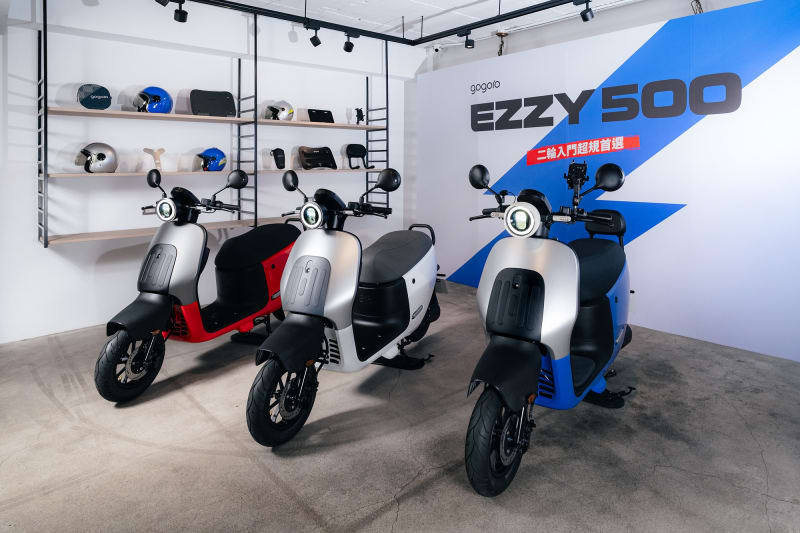
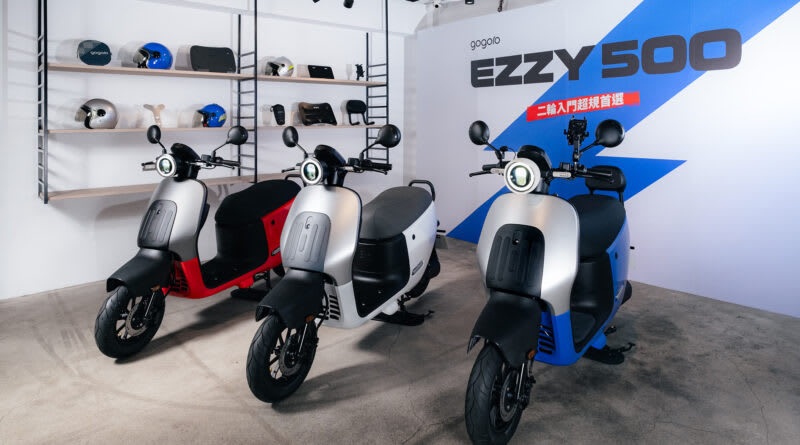
The turnaround required painful cuts. Gogoro slashed fixed costs from $120 million to $82 million annually, exited the Philippines entirely after a partnership collapsed, and replaced its premium scooter lineup with simpler, cheaper models like the $1,330 Ezzy 500.
Instead of chasing retail customers everywhere, Gogoro now partners strategically. In Vietnam, they're working with Castrol to install swap stations in existing mechanic shops, avoiding massive infrastructure spending. In India, they're skipping consumer sales entirely and focusing on delivery fleets and bike taxis that need maximum uptime.
The Ripple Effect
Gogoro's reset matters beyond one company's balance sheet. Battery swapping has always faced a chicken-and-egg problem: you need stations to sell vehicles, but stations only make sense with enough vehicles. Gogoro just proved the model works if you focus on building the network first and treat vehicles as access points rather than profit centers.
The company's partnership approach also shows how clean tech can scale without requiring billions in upfront capital. By working with Castrol's existing shops in Vietnam and Foxconn's manufacturing in India, Gogoro spreads the risk and cost while still expanding access to zero-emission transportation.
Taiwan already demonstrates what's possible. With over 645,000 people now swapping batteries instead of charging at home, the island nation has created the world's largest working model of battery-as-a-service for vehicles. That infrastructure didn't require massive government investment or betting everything on one company's success.
Management now targets 15-18% profit margins in 2026 with the energy division reaching breakeven. Three new utility-focused scooter models are planned, all sharing components to keep costs down. The company that once promised to revolutionize transportation is instead proving that boring, profitable infrastructure might be the real revolution.
Sometimes the path to changing the world runs through spreadsheets and sustainable business models, not just grand visions.
More Images


Based on reporting by CleanTechnica
This story was written by BrightWire based on verified news reports.
Spread the positivity!
Share this good news with someone who needs it