Tamil Nadu Builds Fire Command Center to Fight Wildfires
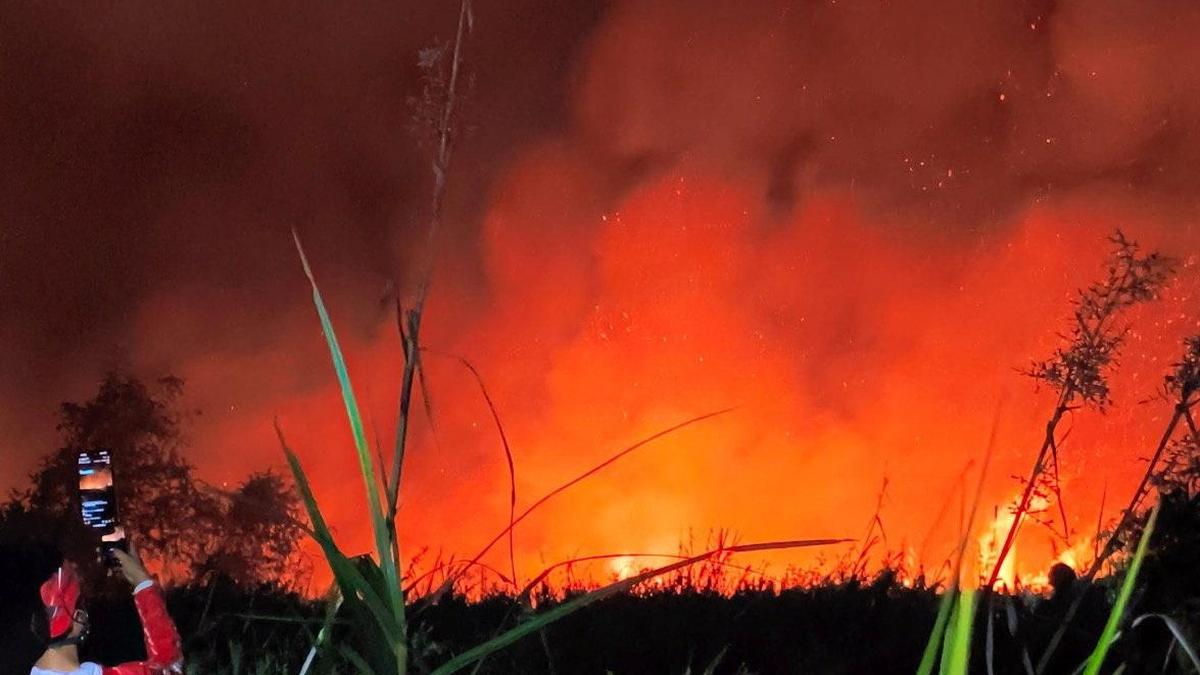
Tamil Nadu has established a state-level command center to monitor and respond to forest fires using real-time satellite data and rapid-response teams. The system, presented at the Tamil Nadu Climate Summit 4.0, represents a new model of climate preparedness that other regions could follow.
When forest fires threaten communities, every second counts, and Tamil Nadu just created a system that could save lives and ecosystems across India.
At the Tamil Nadu Climate Summit 4.0, officials unveiled their new forest fire fighting infrastructure built specifically for our warming world. The government has set up a State-Level Command and Control Centre in Chennai that monitors forests through real-time satellite feeds and coordinates instant responses to fire threats.
The system works through a network of district-level control rooms that feed information to the central hub. When a fire starts, trained first-responders can mobilize quickly with modern firefighting equipment and vehicles already positioned for rapid deployment.
Tamil Nadu's approach caught national attention after India successfully led efforts at the Seventh United Nations Environment Assembly to strengthen global wildfire collaboration. State officials shared their model as an example of "anticipatory governance," where governments prepare for climate threats before disasters strike rather than simply reacting afterward.
The two-day summit brought together scientists, field officers, and community partners to review Tamil Nadu's five-year climate journey. Sessions focused on science-driven solutions informed by real experiences on the ground.
The Ripple Effect
Tamil Nadu's integrated fire monitoring system demonstrates how regional climate action can influence national and international policy. By combining scientific monitoring with decentralized response teams, the state created a template that balances centralized coordination with local knowledge and quick action.
The summit also addressed broader environmental challenges, including biodiversity loss from habitat destruction and pollution. Discussions moved from immediate fire response to long-term solutions like circular economy practices and waste transformation that could reduce climate impacts.
Investment in training programs means communities now have skilled first-responders ready to protect forests that provide clean air, water, and habitat for wildlife. Modern equipment and mobility infrastructure ensure these teams can reach remote areas quickly.
The model shows that climate resilience doesn't require choosing between environmental protection and community safety. Tamil Nadu's system protects both by preventing small fires from becoming devastating blazes that destroy homes and ecosystems.
Other Indian states facing increasing wildfire risks now have a proven framework to adapt for their own regions, turning one state's innovation into nationwide progress against climate threats.
Based on reporting by The Hindu
This story was written by BrightWire based on verified news reports.
Spread the positivity!
Share this good news with someone who needs it