Tamil Nadu Guards 207,000 Turtle Eggs on 51 Beaches
Tiny Olive Ridley turtle hatchlings are racing across Tamil Nadu's beaches in record numbers, thanks to forest teams protecting nearly 1,800 nests this season. Satellite tracking is even revealing where these palm-sized travelers go after they disappear into the waves.
Under the early morning light on Tamil Nadu's coast, hundreds of tiny Olive Ridley hatchlings scramble across the sand toward the Bay of Bengal. A few meters away, forest staff and volunteers watch closely, guiding them safely to the water's edge.
This scene is playing out more often these days. Across Tamil Nadu's 51 hatcheries, forest teams are protecting 1,788 nests containing 207,653 eggs this season alone.
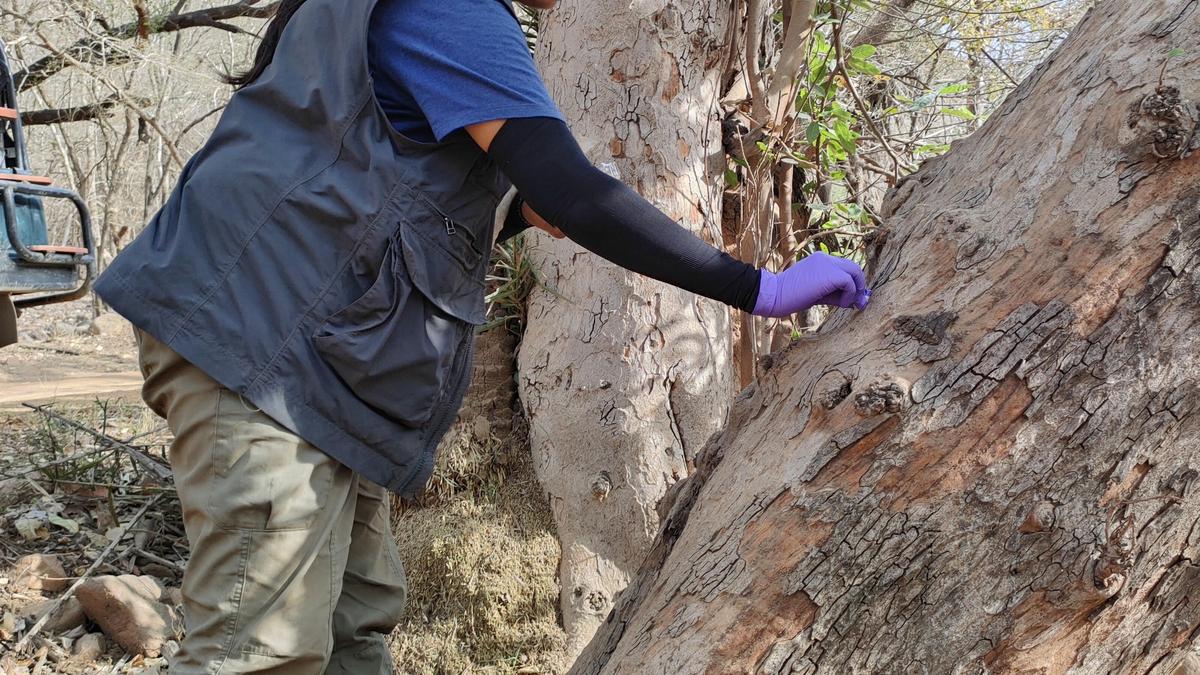
The work begins long before the hatchlings appear. During nesting season, teams walk the shoreline at night and early morning, searching for fresh tracks in the sand. When they find a nest, they carefully collect the eggs and move them to protected enclosures away from predators, human activity, and shifting tides.
Inside these fenced hatcheries, the eggs are buried again in sand and left to incubate. Days later, the sand begins to shift, and that's when the releases happen at dawn or dusk when temperatures give hatchlings their best chance.
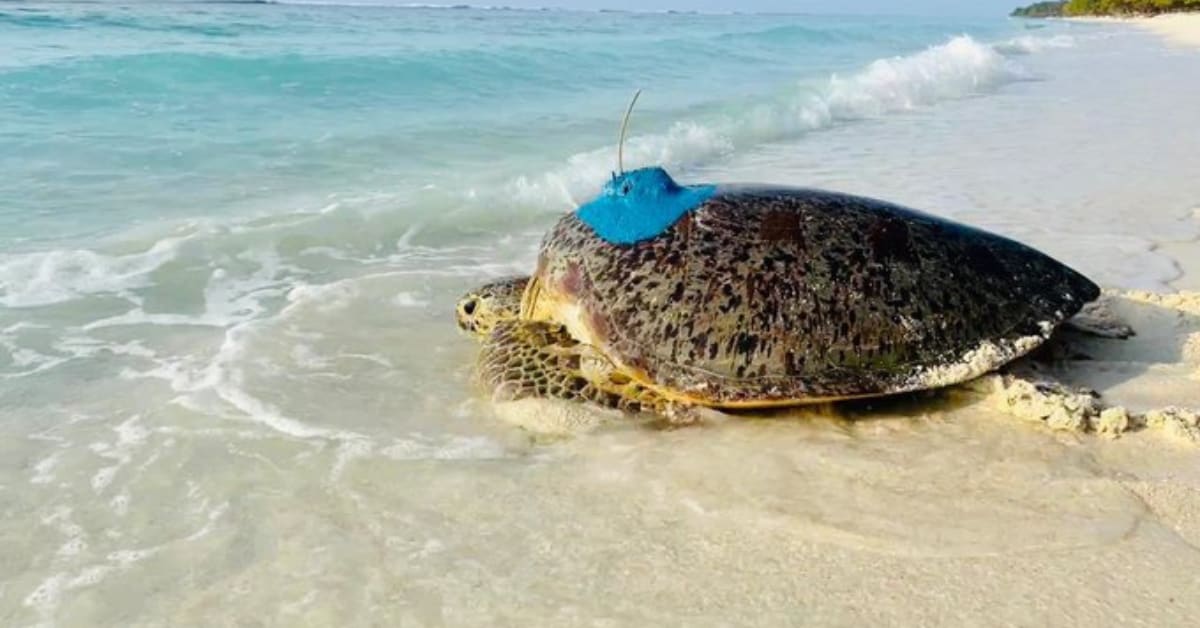
But Tamil Nadu's efforts go beyond the beach. Since 2025, researchers have been tagging select turtles with small satellite transmitters to track where they go after entering the ocean.
The Ripple Effect
One tagged turtle named Kayal is showing exactly why this matters. Released from Besant Nagar Beach in January 2026, she traveled south toward Marakkanam and stayed in near-shore waters for nearly 20 days.
Then something remarkable happened. Kayal turned around and returned to Chennai's Marina Beach, where she nested twice in the same area, laying 272 eggs total.
This behavior, called nesting-site fidelity, means these turtles somehow find their way back to the exact beaches where they were born, even after traveling thousands of kilometers. Understanding their routes helps researchers identify critical habitats that need protection.
Olive Ridleys face serious threats at sea. Fishing nets accidentally catch many turtles, while plastic waste and coastal development destroy nesting spaces.
That's what makes the on-ground work so vital. Forest teams, hatcheries, and community volunteers are creating safe spaces one nest at a time. "Kayal's resilience is encouraging," said Dr Suresh from the Tamil Nadu Forest Department, who helps lead the tagging project.
For now, the work continues with early morning beach patrols, carefully guarded nests, and those magical moments when tiny hatchlings leave their first trails in the sand before the waves wash them away.
More Images
%2Fenglish-betterindia%2Fmedia%2Fmedia_files%2F2026%2F03%2F23%2Fsriroopa-featured-image-template-3-2026-03-23-15-37-35.png)
%2Fenglish-betterindia%2Fmedia%2Fmedia_files%2F2025%2F11%2F20%2Fwild-at-heart-banner-image-microsite-banner-2025-11-20-16-17-04.jpg)

%2Ffilters%3Aformat(webp)%2Fenglish-betterindia%2Fmedia%2Fmedia_files%2F2026%2F03%2F23%2Fsriroopa-featured-image-template-4-2026-03-23-16-11-25.png)
Based on reporting by The Better India
This story was written by BrightWire based on verified news reports.
Spread the positivity!
Share this good news with someone who needs it