Tamil Nadu Man Helps Women With Disabilities Run Their Own Farm
At Sristi Foundation in rural Tamil Nadu, women with intellectual disabilities aren't just receiving care—they're running farms, raising livestock, and making their own decisions. What started with one seed and a boy's disbelief has grown into a thriving community of 80 residents building lives of purpose.
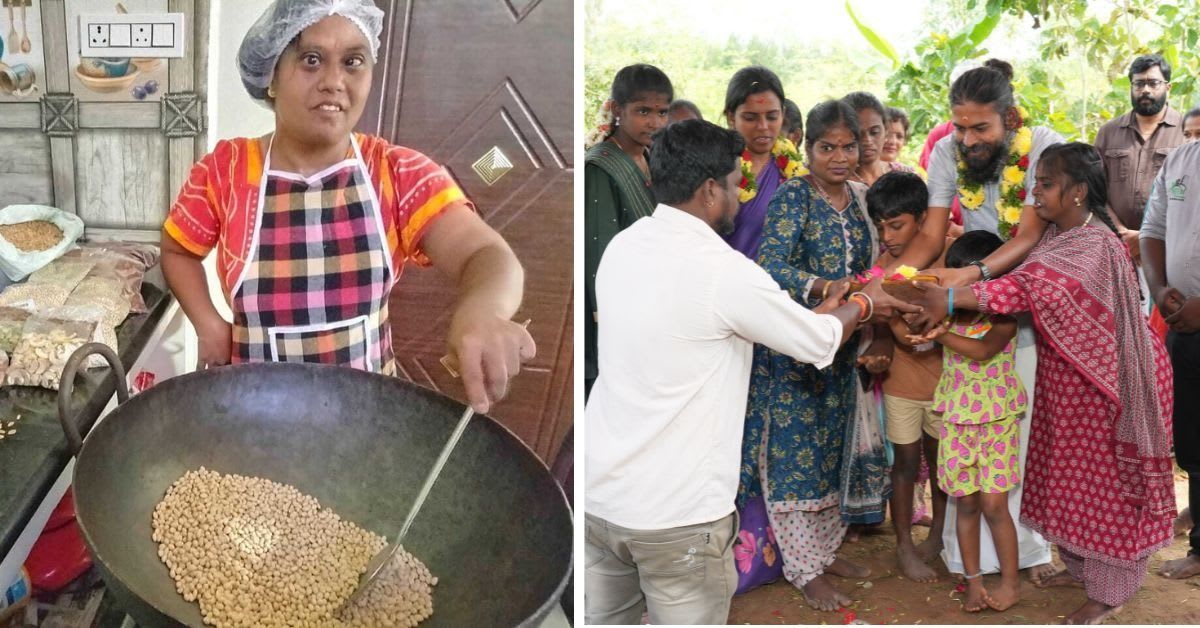
When Karthikeyan Ganesan showed a boy named Anbu a tiny seed and pointed to a mango tree, explaining they were connected, Anbu laughed in disbelief. Months later, when the vegetables were ready, Anbu and other children carried their harvest to the kitchen and declared: "You don't decide what to cook today. We grew this. We will decide."
That moment in 2010 changed everything for Karthikeyan, a psychologist who had spent 12 years working at an orphanage in Pondicherry. He had watched children with intellectual disabilities grow into adults trapped in a cycle of medication and sedation, their days reduced to eating, taking pills, and sleeping.
The system provided shelter and food, but it stripped away something essential: purpose. "Just imagine yourself in that position," Karthikeyan says. "Not for a day, but for a lifetime."
He left to find a better way. For three years, he traveled across India, observing how people with disabilities lived in different communities. In rural Uttar Pradesh, families traveled over 10 kilometers for basic healthcare. In Kerala, he met a young boy with Down syndrome who worked on farms and moved freely through his village, fully integrated and valued for what he could do.
The contrast was powerful. The problem wasn't ability—it was environment.
In 2013, Karthikeyan founded Sristi Foundation in a remote Tamil Nadu village, deliberately choosing rural land over urban centers. Today, it's home to over 80 residents supported by 30 staff members, including vocational trainers, special educators, and psychologists.
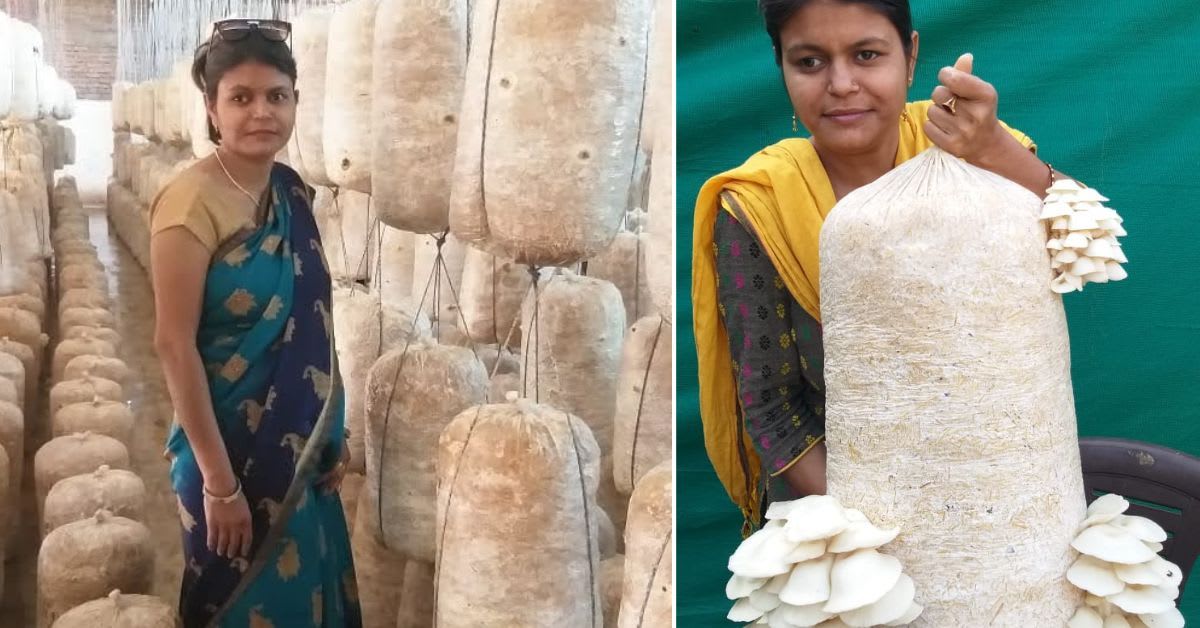
But Sristi isn't designed like a typical care facility. Women wake up and head to the fields they tend themselves, barefoot and unhurried. Some check spinach rows, others prepare chicken feed or sort vegetables for meals. They're not being supervised or helped—they're working, deciding, contributing.
Residents learn farming, dairy management, bakery skills, and household tasks. They participate in decision-making about their days and their work. The shift from receiving care to providing value transforms how they see themselves.
The Ripple Effect
What began with one skeptical boy planting a seed has rippled outward into a model that reimagines disability care entirely. In regions where support services rarely reach, Sristi brings opportunity to the doorstep through agriculture and everyday work.
The foundation is now building a new facility to house 50 more women, expanding access to this dignity-centered approach. For residents, the difference between institutional care and purposeful living isn't abstract—it's the difference between being labeled an "inmate" and being called a gardener, a farmer, a contributor.
Karthikeyan's guiding belief remains simple: "Everyone is born with a purpose. Our role is to help them find it, not take it away." At Sristi, that purpose grows from the soil, one planted seed at a time.
More Images
%2Fenglish-betterindia%2Fmedia%2Fmedia_files%2F2026%2F03%2F25%2Fsristi-foundation-2026-03-25-15-01-56.jpg)
%2Ffilters%3Aformat(webp)%2Fenglish-betterindia%2Fmedia%2Fmedia_files%2F2026%2F03%2F25%2Fsristi-foundation-2026-03-25-15-02-37.jpg)
%2Ffilters%3Aformat(webp)%2Fenglish-betterindia%2Fmedia%2Fmedia_files%2F2026%2F03%2F25%2Fsrishti-foundation-2026-03-25-15-06-11.jpg)
Based on reporting by The Better India
This story was written by BrightWire based on verified news reports.
Spread the positivity!
Share this good news with someone who needs it