Tampa Bay Fights Dengue Outbreak With Community Power
Tampa Bay communities are rallying together to stop the region's biggest dengue fever outbreak in a century, and mosquito control teams say the public's help is making all the difference. No deaths have been reported, and local heroes are working overtime to protect their neighbors.
Tampa Bay is facing its largest dengue fever outbreak in nearly 100 years, but the community's response shows how people power can combat a health crisis.
This summer, 65 people caught dengue fever right here at home, transmitted by striped mosquitoes small enough to slip through window screens. While 209 Floridians have been hospitalized statewide, not a single person has died. That's thanks to quick action from mosquito control teams and thousands of residents stepping up to protect their communities.
Hillsborough County recorded just seven locally transmitted cases in 2024. This year, that number jumped to 59. Pinellas hadn't seen a local case in 30 years, but reported five this summer. Pasco logged its first infection just last week.
The two mosquito species carrying dengue are unlike any others in Florida. They breed in bottle caps and birdbaths instead of marshes, hunt during daylight hours, and can lay 1,000 eggs in a single month. Traditional spraying methods don't work on them.
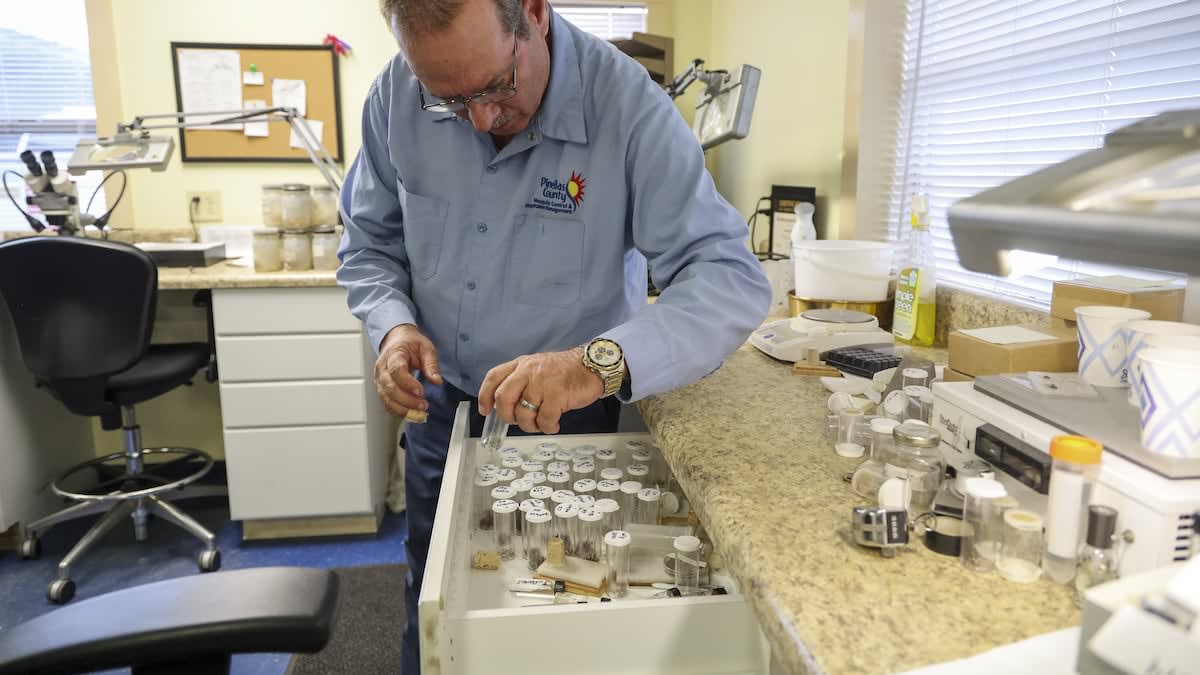
So mosquito control teams changed their tactics. Workers now carry backpack sprayers door to door, inspect individual yards, and set special traps that smell like dirty socks to attract these specific insects. Pinellas County even gives out free fish that eat mosquito larvae in backyard ponds.
The real heroes are everyday residents. Thousands have invited inspectors to check their properties, dumped standing water from containers weekly, and reported code violations in their neighborhoods. Community members are staffing booths at farmers markets to educate their neighbors about prevention.
The Ripple Effect
This collaborative approach is already showing results beyond just stopping dengue. Neighborhoods are cleaner as people remove old tires and debris. Communities are more connected as neighbors look out for each other. And mosquito control workers are discovering new ways to combat other insect-borne diseases that could help cities worldwide.
Scientists at the University of South Florida are studying why Tampa Bay became a hotspot, analyzing everything from travel patterns to climate data. Their research could help other regions prepare before outbreaks start.
The increased awareness has sparked innovation too. New trap designs, better testing methods, and smarter deployment strategies born from this crisis will protect Tampa Bay residents for years to come.
When Gabriela Henderson, Hillsborough County's mosquito control spokesperson, asked the public for help, the community answered with action that's turning the tide on this outbreak.
Based on reporting by Google News - Health
This story was written by BrightWire based on verified news reports.
Spread the positivity!
Share this good news with someone who needs it