Tanzania and South Korea Team Up to Fight Cholera
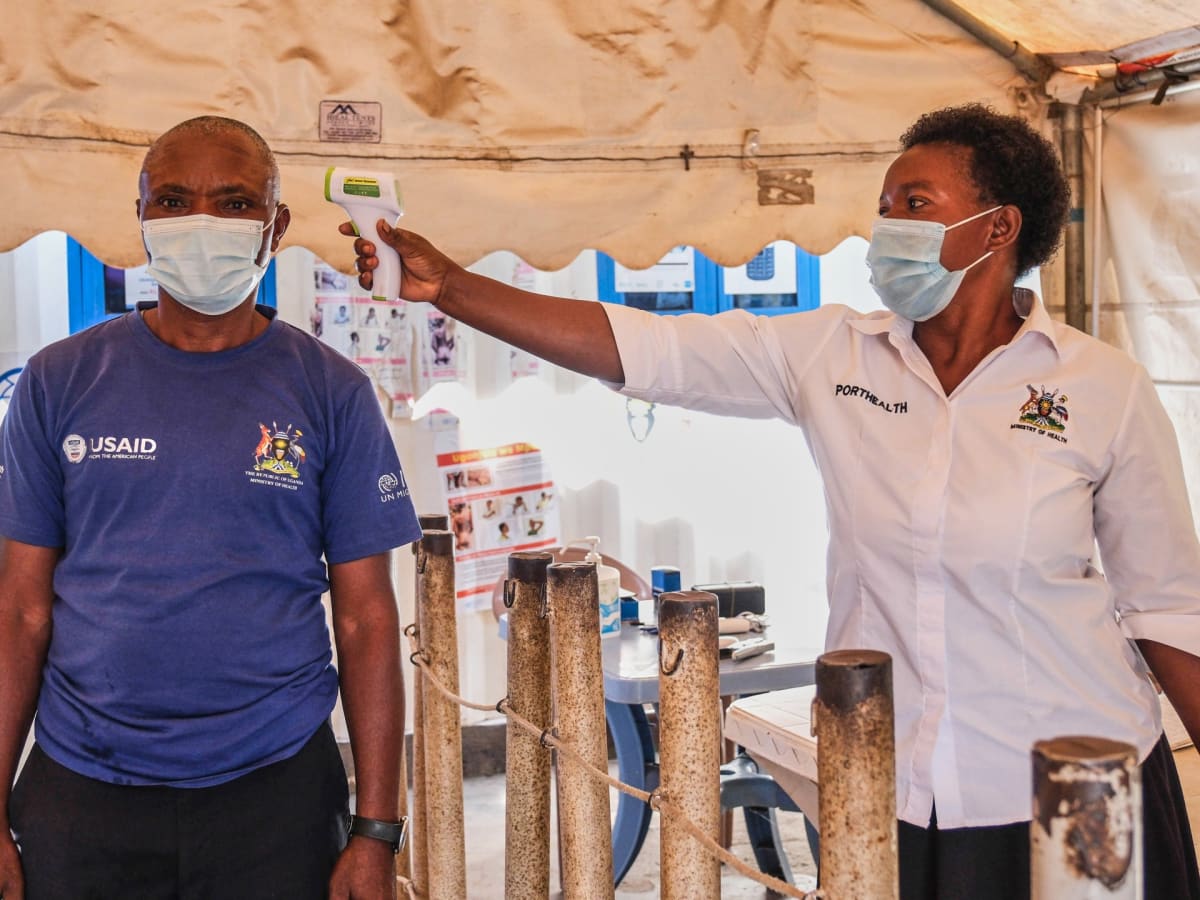
A five-year partnership between Tanzania and South Korea is strengthening disease detection labs across the country. Now in year three, the project is tackling cholera nationwide after successful work on dengue and respiratory illnesses.
Tanzania's National Public Health Laboratory is getting a major upgrade, and the results are already saving lives.
Thanks to a partnership with South Korea's International Health Organization, the lab has spent the past two years building better systems to detect and fight infectious diseases. Director Ambele Mwafilango announced that year three will focus on cholera, a disease that has challenged the country for years.
The project started in Dar es Salaam, where teams successfully tackled dengue, chikungunya, and respiratory diseases like flu. Now they're ready to take those lessons nationwide.
South Korea has invested steadily in the initiative, providing 460 million Tanzanian shillings in year one, 674 million in year two, and 694 million for the current phase. The funding covers new testing equipment, infrastructure improvements, and training for health workers.
Dr. Mohamed Mang'una, Chief Medical Officer for Dar es Salaam Region, emphasized how the upgraded lab speeds up diagnosis. When doctors can identify diseases quickly, they can treat patients faster and stop outbreaks before they spread.
The improvements mean Tanzania can now test samples domestically instead of sending them abroad. That cuts down wait times and helps health workers respond to disease threats in real time.
The Ripple Effect
Better disease detection does more than help individual patients. When labs can quickly identify cholera or other infectious diseases, public health teams can warn communities and prevent wider outbreaks.
The project also trains local health workers, building expertise that will serve Tanzania long after the five-year partnership ends. Dr. Otilia Gowele from the Ministry of Health's Preventive Services noted that teams are already coordinating public education campaigns to help citizens protect themselves from infectious diseases.
KOFIH Health Specialist Hansol Park stressed that the goal is creating lasting infrastructure. The equipment, training, and systems being put in place now will help Tanzania respond to disease threats for decades to come.
As the project expands nationwide this year, more regions will gain access to rapid testing and early warning systems. That means safer communities and fewer lives lost to preventable diseases.
Based on reporting by AllAfrica - Health
This story was written by BrightWire based on verified news reports.
Spread the positivity!
Share this good news with someone who needs it