Tanzania Bishops Push for Healing After Disputed Election
Catholic leaders in Tanzania are working with President Samia Suluhu Hassan to heal their nation after violence marred the 2025 elections. Their message of truth and reconciliation offers hope for a path forward.
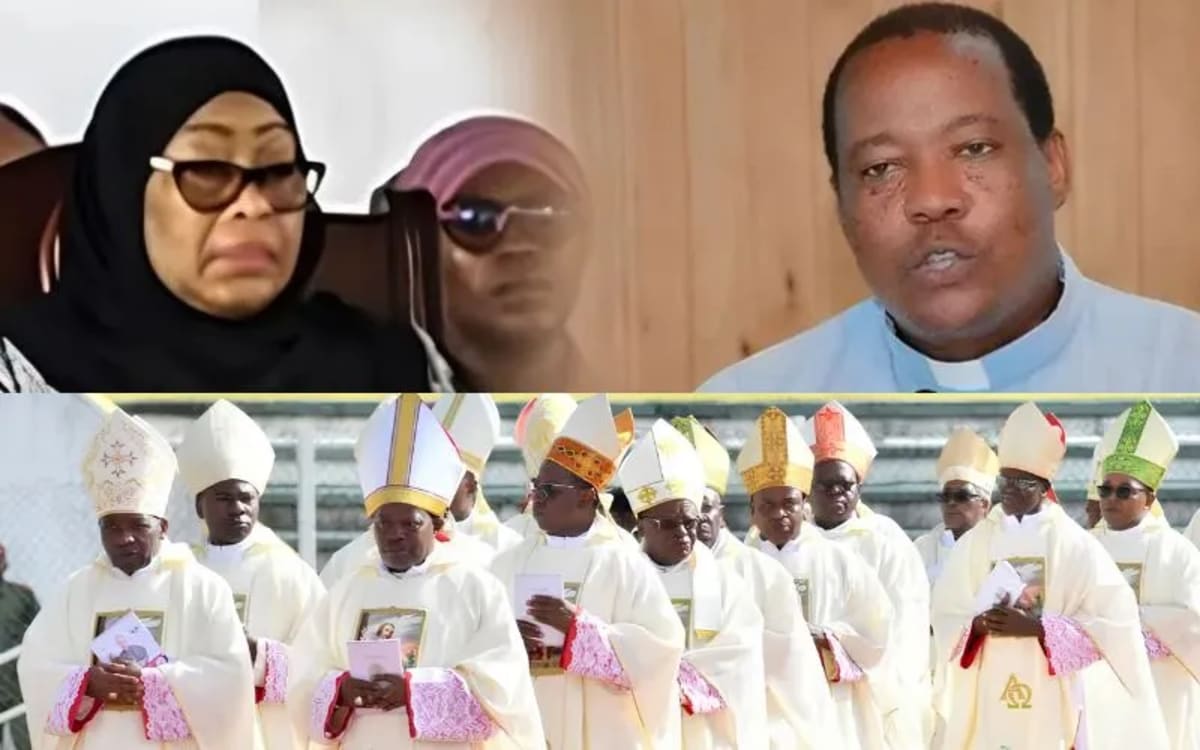
After months of tension following disputed elections, Tanzania's Catholic bishops sat down with their president for over 90 minutes of conversation that both sides describe as constructive and hopeful.
The Tanzania Episcopal Conference requested the August 2026 meeting with President Samia Suluhu Hassan to address violence and crackdowns that followed the October 2025 elections. Father Charles Kitima, the conference secretary general, said the bishops came with a clear message: genuine healing requires facing the truth together.
"The reception during the meeting was entirely brotherly," Fr. Kitima explained in a video statement. "The President listened attentively and shared her perspective, indicating that cooperation is essential to lead the country out of the current impasse."
The bishops presented a detailed document outlining their vision for reconciliation. Their approach focuses on four pillars: acknowledging what happened, seeking justice, offering forgiveness, and working toward national healing.
This isn't political posturing. The bishops emphasized they're not challenging who holds power or engaging in typical political bargaining. Instead, they're calling for moral accountability and respect for human dignity.
President Hassan appears willing to engage. Fr. Kitima noted the government has shown openness to addressing the challenges facing Tanzania, though he stressed that dialogue must ultimately produce real truth and justice.
The Ripple Effect
Tanzania has long championed human rights across Africa, including standing against apartheid in South Africa. Now the bishops are asking their nation to apply those same high standards at home.
The Catholic Church's involvement carries weight in Tanzania. Religious leaders there have a constitutional responsibility to contribute to society's moral good, and they've historically spoken out against violence dating back over a century.
Fr. Kitima made clear the bishops aren't acting as opposition to the government. They're fulfilling their religious duty to teach peace, preserve human dignity, and foster unity. "Scriptural teaching and the Constitution both instruct us to respect lawful authority," he said.
The international community had condemned the election violence, but now Tanzanians themselves are charting a path forward. The bishops observe genuine willingness from government leaders to work through these difficulties together.
After more than an hour of honest conversation between church and state, Tanzania has something many countries lack after disputed elections: a shared commitment to healing.
More Images


Based on reporting by Google News - Reconciliation
This story was written by BrightWire based on verified news reports.
Spread the positivity!
Share this good news with someone who needs it