Tanzania Charity Helps 300+ Kids Stay in School
A grassroots organization in Tanzania is breaking poverty cycles by keeping more than 300 children in school and training 200 women annually in marketable skills. With a 95% attendance rate and zero dropouts in two years, the Moshi-based charity shows how education and job training create lasting change.
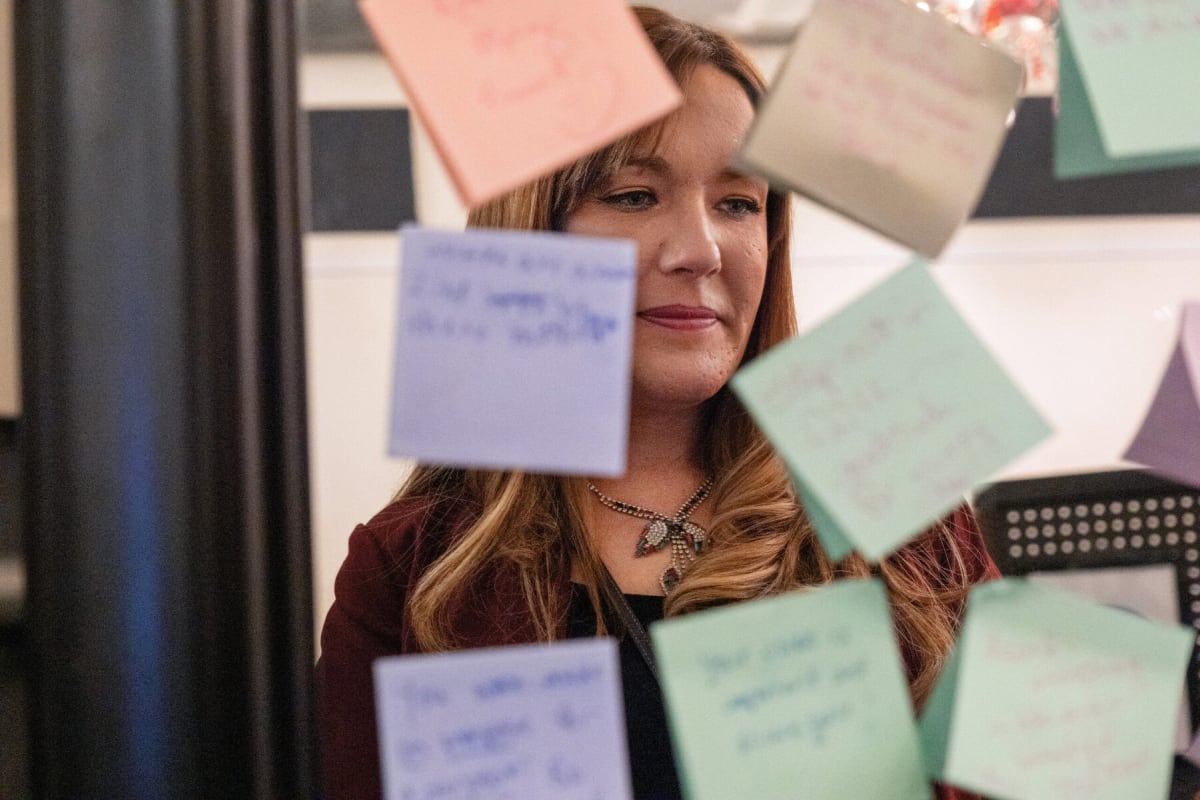
Grace was struggling in school, barely keeping up with her classmates. Today, she ranks in the top five students in her class, proof that the right support at the right time can transform a child's future.
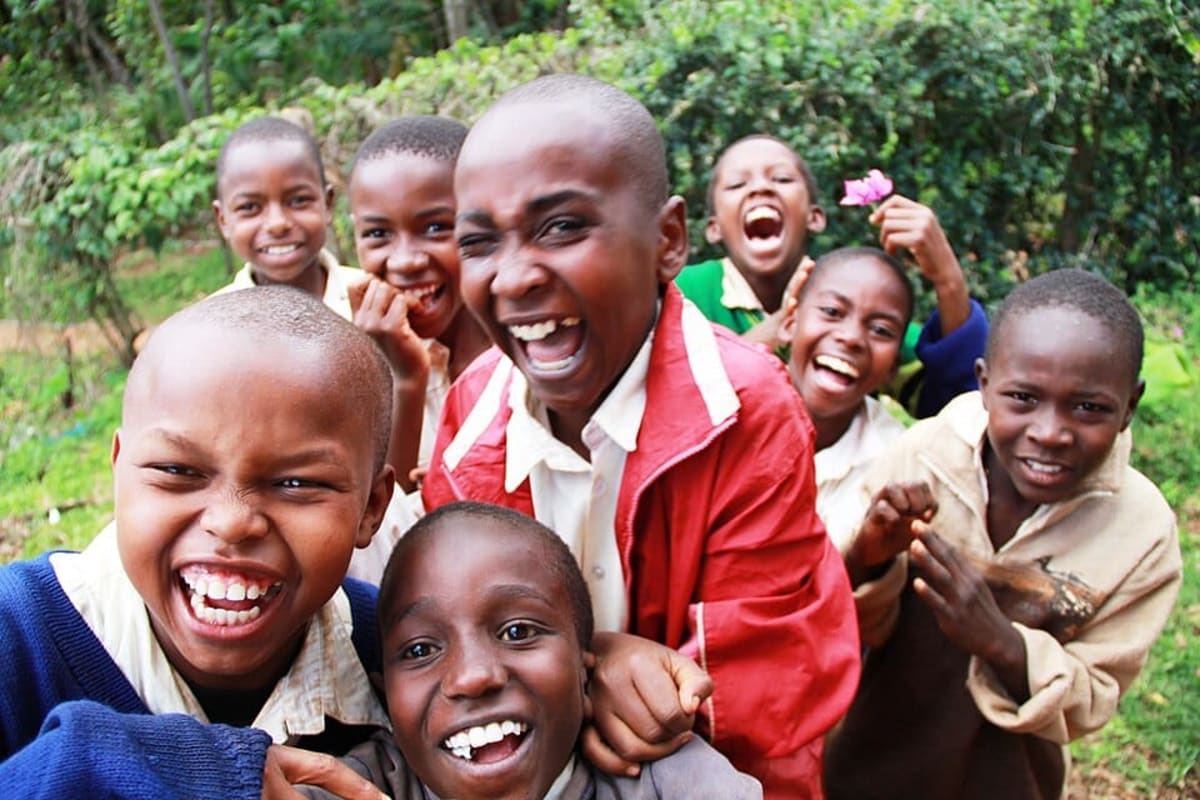
Grace is one of more than 300 students served by Zara Tanzania Charity's Moshi Kids Centre in Tanzania, where 48% of people live on less than $3 a day. The organization provides tuition assistance, school supplies, meals, tutoring and counseling to remove the barriers that keep children from learning.
The results speak for themselves. The center maintains a 95% attendance rate, with 85% of students successfully moving to the next grade level. Test scores improve an average of 70% within the first year, and not a single student has dropped out in the past two years.
Education matters because each additional year of schooling can increase annual earnings by 9%, according to UNESCO. Since 1980, education has reduced severe poverty worldwide by 40%. By helping children stay in school, organizations like Zara Tanzania Charity give families a path toward economic independence.
The charity doesn't stop with children. Their Moshi Women Make a Change Training Centre, which opened in 2025, trains approximately 200 women annually in tourism, hospitality, tailoring, hairdressing, baking and digital literacy. These marketable skills help women earn sustainable incomes and support their families.
Tanzania's economy has grown about 6% annually for two decades, but that growth hasn't reached everyone equally. About 65% of Tanzanians work in agriculture, and most smallholder farmers depend on unpredictable rainfall. Droughts and flooding can wipe out harvests, income and food security in a single season.
The Ripple Effect: When girls stay in school, the benefits multiply across generations. Educated women earn higher incomes, have healthier children and send their own kids to school at higher rates. By focusing on both children's education and women's job training, Zara Tanzania Charity addresses poverty from two directions at once.
The organization also provides medical outreach, health education and nutrition programs that keep children healthy enough to attend school and adults strong enough to work. When communities have access to preventive healthcare, fewer people miss school or work due to preventable illnesses.
Zara Tanzania Charity's work complements larger national efforts like Tanzania's Productive Social Safety Net III, a $250 million program that provides cash transfers, job training and support to 2.2 million vulnerable people. Together, these initiatives show that combining large-scale government programs with community-based solutions creates opportunities for families to build better futures.
Grace's story shows what becomes possible when we invest in people, not just programs.
Based on reporting by Google News - Poverty Reduction
This story was written by BrightWire based on verified news reports.
Spread the positivity!
Share this good news with someone who needs it