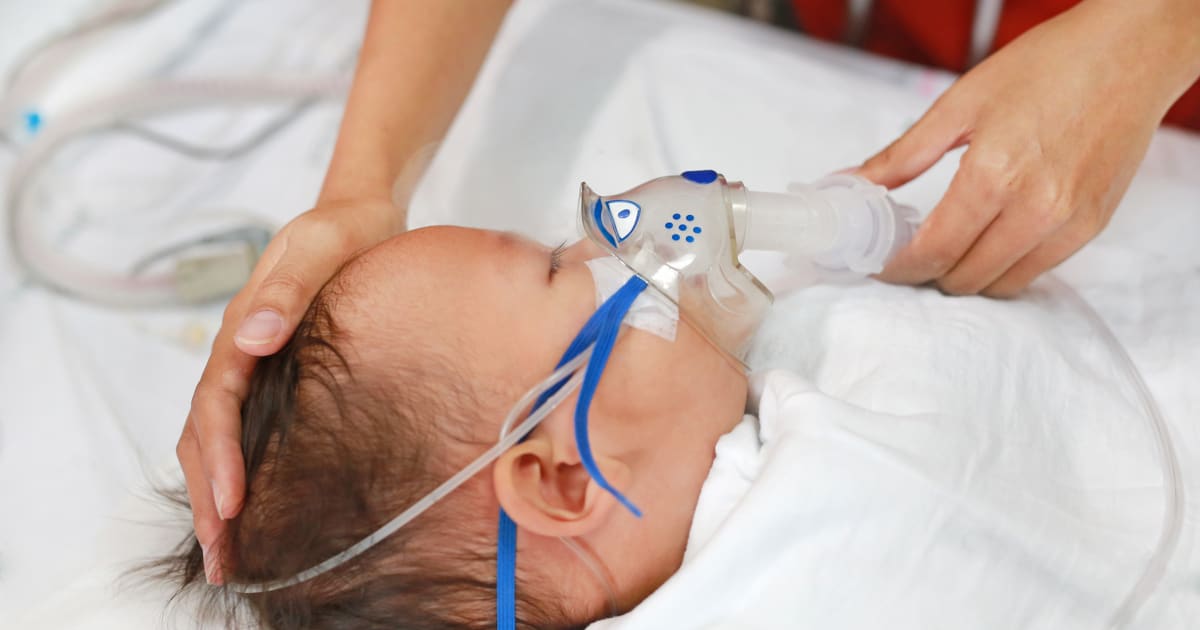
Tanzania Opens First WHO-Standard Neonatal Unit
Healthcare workers in Tanzania just completed specialized training to staff the country's first WHO-standard neonatal unit, bringing world-class premature infant care to families who previously had nowhere to turn. Mothers will now stay with their babies throughout treatment, a proven approach that saves lives.
Premature babies in Tanzania's Kwimba District no longer need to travel hours for life-saving care. Healthcare workers just finished training to staff a new neonatal unit that meets World Health Organization standards, the first of its kind in the country.
The timing couldn't be better. Kwimba District Hospital is opening a modern neonatal building equipped with incubators, infant warmers, and monitoring systems that can handle the most fragile patients.
Dr. Martha Mkony from Muhimbili National Hospital led the training program. She taught nurses and medical staff how to operate specialized equipment, perform neonatal resuscitation, and respond to emergencies like respiratory distress and hypothermia.
The program brought together healthcare providers from Kwimba District Hospital and busy health centers across two districts. Every participant learned both theory and hands-on skills before they'll see their first patient.
One concept stood out: zero separation. This approach keeps mothers close to their babies during treatment, allowing for breastfeeding and skin-to-skin contact even in critical care situations.
Elizabeth Honela, a nurse at Kwimba District Hospital, said the approach changed her understanding of neonatal care. "We believe this training will significantly improve our ability to care for premature babies," she explained.
The Ripple Effect
Before this unit opened, families faced an impossible choice when their babies arrived early. They could attempt the risky transfer to distant hospitals or watch helplessly as their newborns struggled without proper equipment.
Now those same families will receive care that matches international standards right in their community. The new unit can monitor babies around the clock, provide specialized feeding support, and deliver medical interventions that prevent deadly complications.
The Doris Mollel Foundation built and equipped the facility, working alongside Tanzania's government and the World Health Organization. Government-deployed nurses ensure the unit stays fully staffed with trained professionals.
The training covered more than medical skills. Healthcare workers learned about record-keeping, patient communication, and teamwork because coordinating care makes the difference between life and death for premature infants.
Research shows the zero separation approach delivers real results. Babies grow faster, catch fewer infections, and mothers gain confidence caring for vulnerable newborns.
This initiative supports President Samia Suluhu Hassan's broader push to improve maternal and child healthcare access across Tanzania. Kwimba District just became proof that underserved regions can achieve world-class standards when communities, foundations, and governments work together.
Based on reporting by AllAfrica - Health
This story was written by BrightWire based on verified news reports.
Spread the positivity!
Share this good news with someone who needs it