Tanzania's Interfaith Harmony Offers a Model for the World
A Tanzanian official with a Christian father and Muslim mother shares why her country's religious unity matters. After October protests were mischaracterized as religious persecution, she sets the record straight about what really happened.
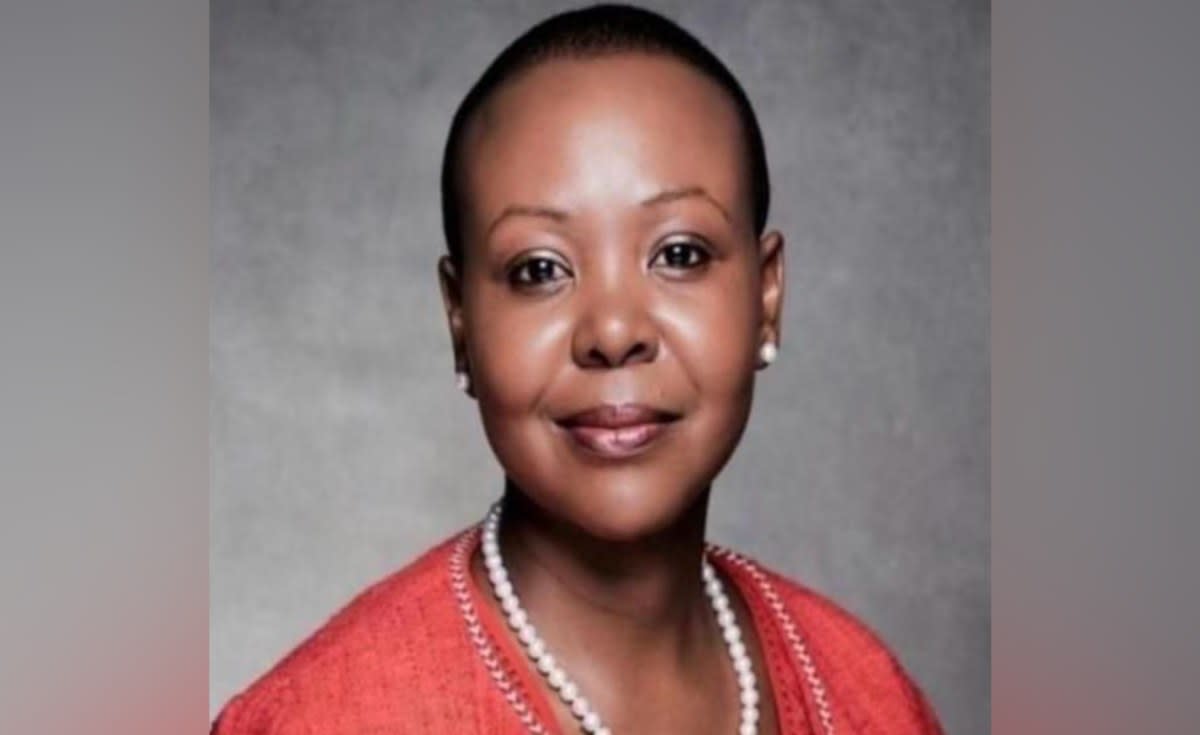
When a Tanzanian official's Christian father married her Muslim mother, nobody blinked. She attended Catholic school, and this too was unremarkable in a nation where faith builds bridges instead of walls.
Now she's speaking out to correct a dangerous misunderstanding. International media coverage of Tanzania's October protests suggested religious persecution drove the unrest, but the truth reveals something very different.
The protests that shook Tanzania in late October resulted in tragic deaths and ongoing grief. A Commission of Inquiry is investigating what happened. But one thing is clear: this was not a conflict between faiths.
Both Muslim and Christian protesters took to the streets together. The victims who died included members of both religions. When the Catholic Archbishop of Dar es Salaam held a memorial Mass, he honored all the dead, regardless of their faith.
Video footage from that day shows a Muslim prayer being recited over a gravely wounded protester. This moment captures the reality of Tanzania: religions don't divide its people.
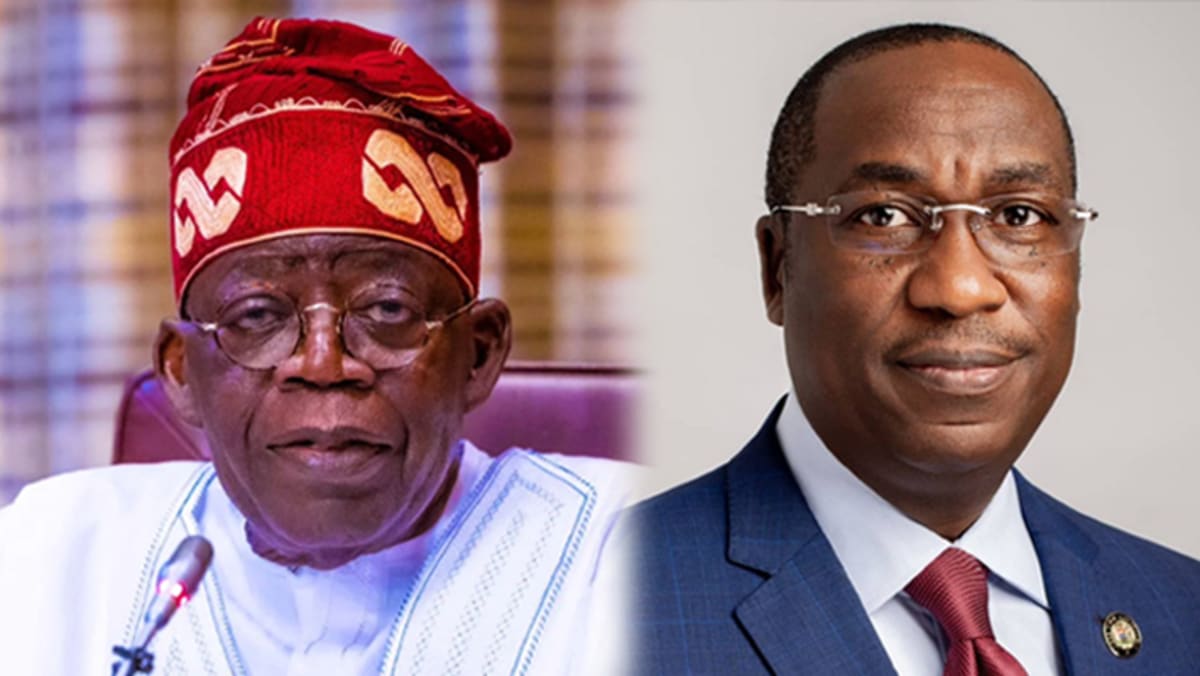
The country's current leadership reflects this unity. Tanzania's President is Muslim, the Vice President is Catholic, and the Prime Minister is Lutheran. They govern together without religious tension because that's how Tanzania works.
So why were people protesting? The answer is the same challenge facing young people worldwide: jobs and opportunity. Over 10 million Tanzanians aged 15 to 24 are searching for their path forward in an economy still racing to meet their ambitions.
This is a story about development and growth, not theological conflict. The friction comes from unemployment and uncertainty, not hatred between faiths.
The official understands why the persecution narrative gained traction. In many parts of the world, Christians face genuine persecution that demands attention and action. But applying that lens to Tanzania misses the mark and potentially obscures places where religious persecution is real.
She welcomes international scrutiny and accountability for her country. Tanzania needs partnerships with nations holding it to high standards. But she asks for one thing: precision in understanding what actually happened.
The Ripple Effect: Tanzania's model of religious harmony matters now more than ever. In a world increasingly fractured by religious tensions, this East African nation demonstrates that Muslims and Christians can live as neighbors, as family, as one united people.
The questions about October 29th deserve thorough investigation and honest answers. But religious persecution isn't among them. The country where a Lutheran father and Muslim mother can raise a daughter who attends Catholic school, where that daughter can grow up to represent her nation, proves something powerful about what's possible.
Tanzania's example shows that faith can unite rather than divide, and that shared humanity can transcend religious differences even in times of struggle.
Based on reporting by AllAfrica - Headlines
This story was written by BrightWire based on verified news reports.
Spread the positivity!
Share this good news with someone who needs it