Tardigrades Could Survive Nearly Any Cosmic Disaster
Scientists calculated what it would take to wipe out Earth's toughest creature, and the answer is surprisingly reassuring. Microscopic tardigrades can survive almost anything the universe throws at us.
When researchers at Oxford and Harvard asked what could truly end all life on Earth, they discovered something remarkable. The answer involves a creature so tough that it redefines what survival means.
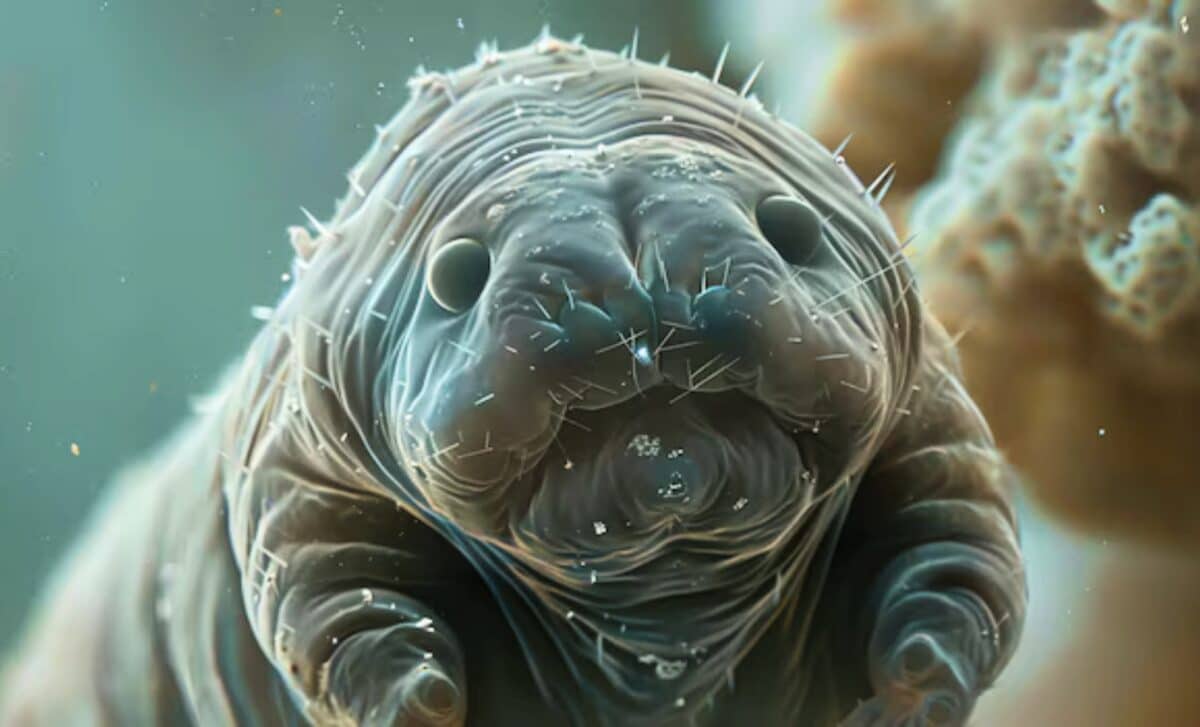
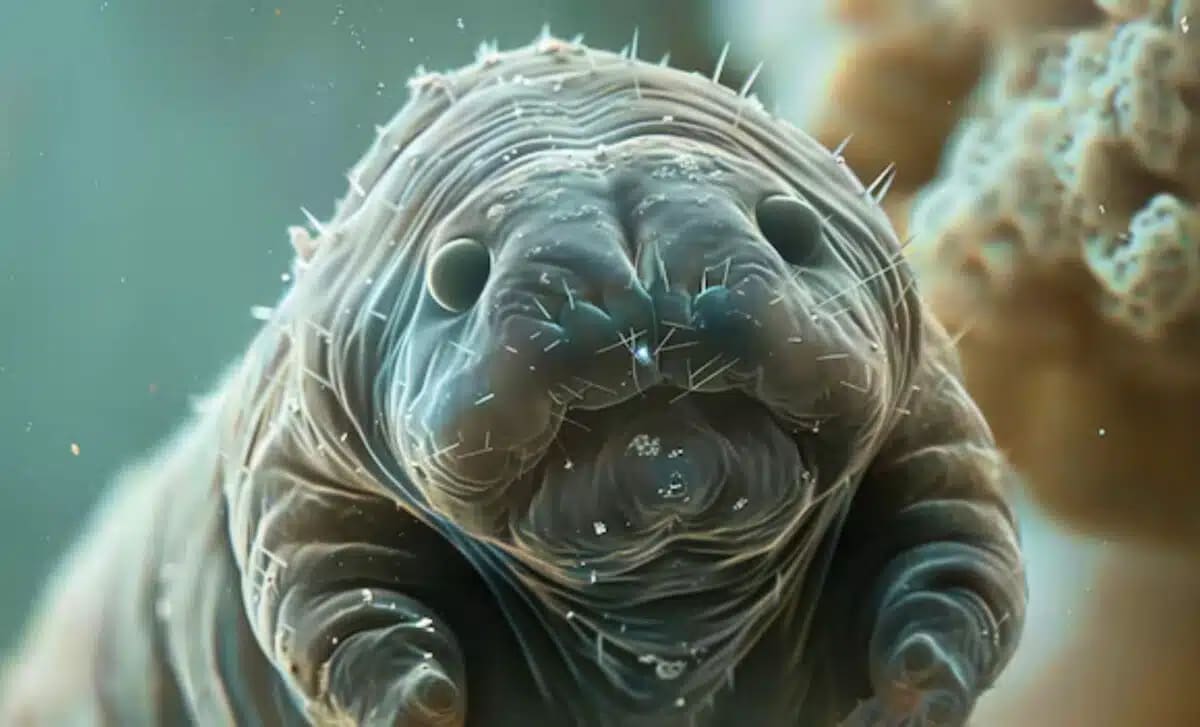
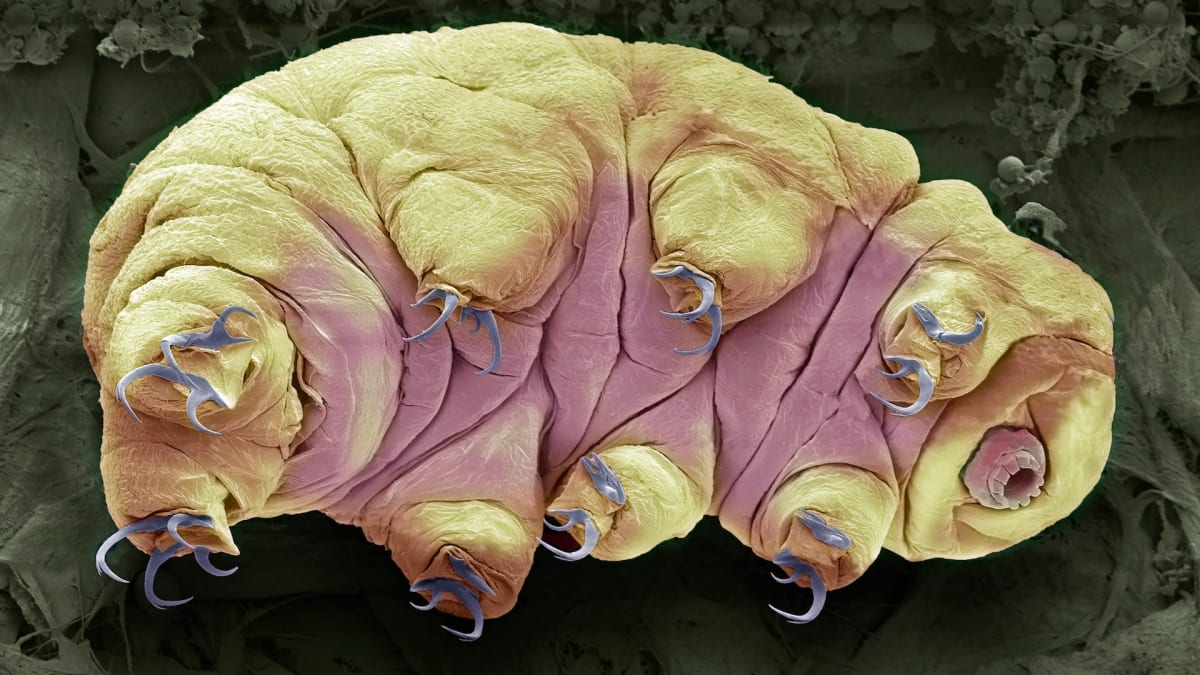
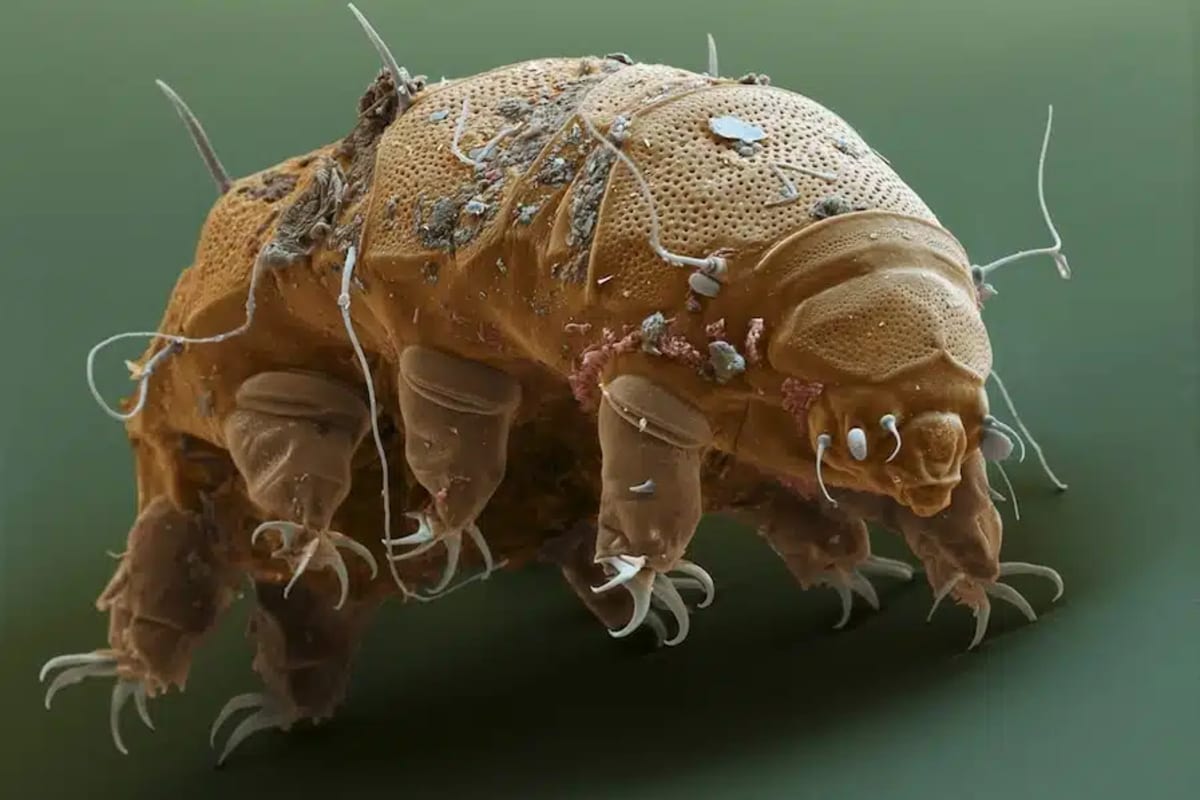
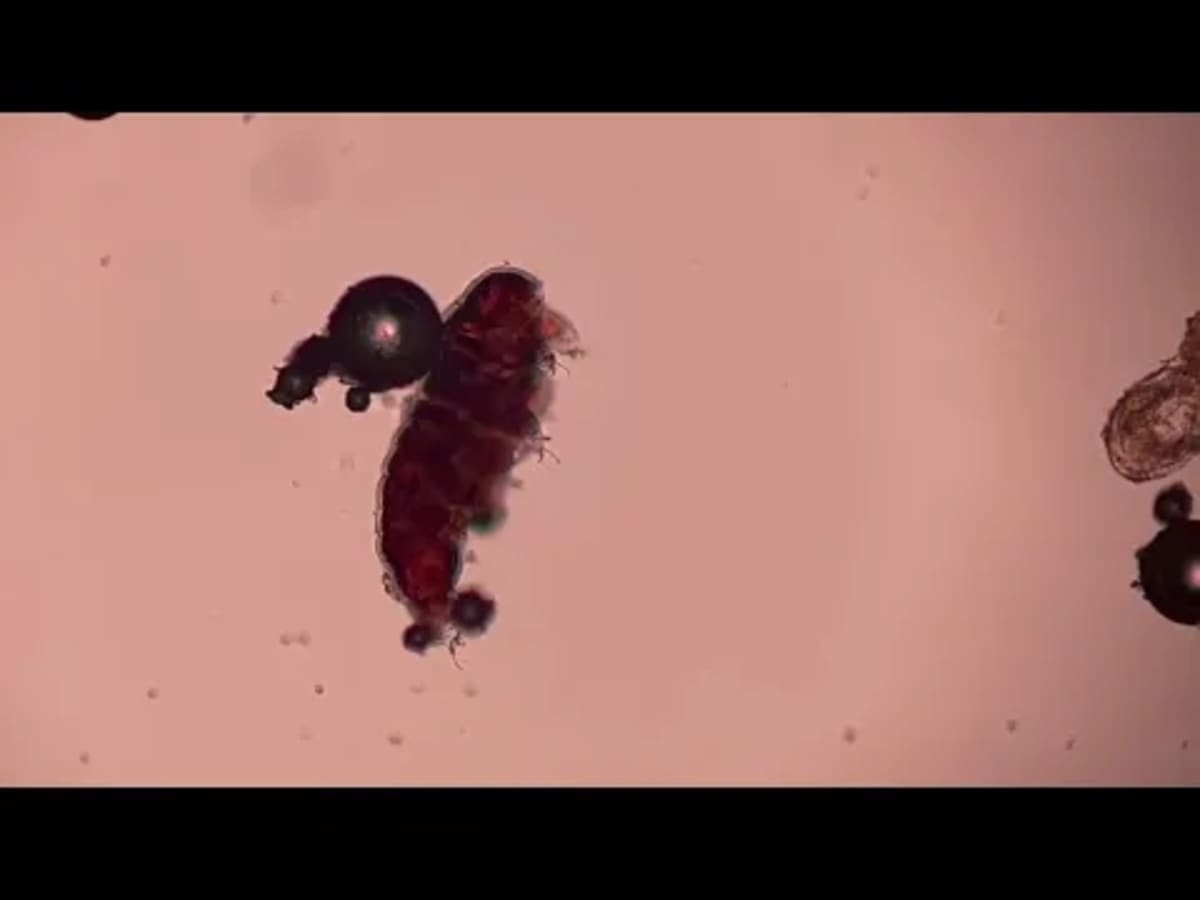
Meet the tardigrade, a microscopic eight-legged animal that makes cockroaches look fragile. These water bears, as they're sometimes called, grow to just half a millimeter but can live up to 60 years. When conditions get harsh, they enter a state where their metabolism nearly stops, allowing them to survive three decades without food or water.
Dr. David Sloan and Dr. Rafael Alves Batista wanted to find the true limit of life's resilience on our planet. They published their findings in Scientific Reports, focusing not on human survival but on the absolute biological endurance threshold. Their question was simple but profound: what would it actually take to sterilize Earth?
The answer hinges on one dramatic threshold. To eliminate tardigrades, you would need to boil the oceans completely. Surface catastrophes like asteroid impacts or nearby stellar explosions might devastate human civilization, but water shields life in the deep sea remarkably well.
The numbers are staggering in a comforting way. An asteroid would need a mass of about two million trillion kilograms to boil Earth's oceans. Only about 12 known objects in our solar system are even large enough, including Vesta and Pluto. Better yet, none of them are on paths that intersect with Earth.
Supernovae present an equally distant threat. A stellar explosion would need to occur within 0.14 light years of Earth to generate enough energy. That's practically next door in cosmic terms, but currently no stars that close are candidates for such an event.
The study found around 1,300 species of tardigrades living worldwide, from mountain peaks to ocean trenches. Their secret weapon is patience wrapped in biological armor. While surface ecosystems collapse and recover over millennia, tardigrades simply wait in their dormant state deep underwater.
The Bright Side
This research flips the usual doomsday narrative on its head. Yes, humanity remains vulnerable to smaller disasters like climate change or regional impacts. But complex animal life has built-in insurance policies we rarely acknowledge. The same planet that seems fragile when we focus on human needs turns out to be remarkably resilient when we zoom out.
The tardigrade's superpower isn't aggression or intelligence. It's the ability to retreat, slow down, and endure until conditions improve. These tiny creatures have survived every mass extinction event in Earth's history, and the math suggests they'll outlast whatever comes next.
Life on Earth is tougher than we think.
More Images
Based on reporting by Google News - Science
This story was written by BrightWire based on verified news reports.
Spread the positivity!
Share this good news with someone who needs it