Target Boycott Ends After $2B Black Business Pledge Met
After a year of economic pressure, activists are calling off their nationwide Target boycott as the retail giant fulfills its $2 billion commitment to Black-owned businesses. The campaign shows how consumer activism can drive corporate accountability.
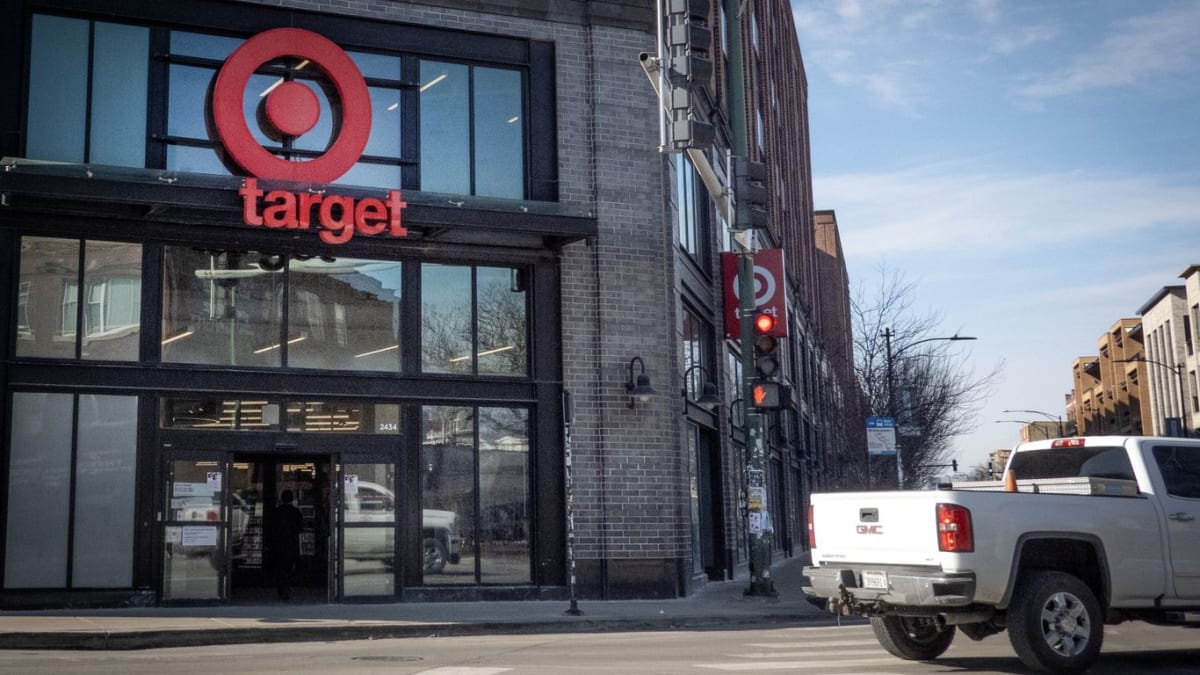
A yearlong boycott against Target officially ended this week after the retail giant doubled the number of Black-owned brands on its shelves and fulfilled a $2 billion investment pledge.
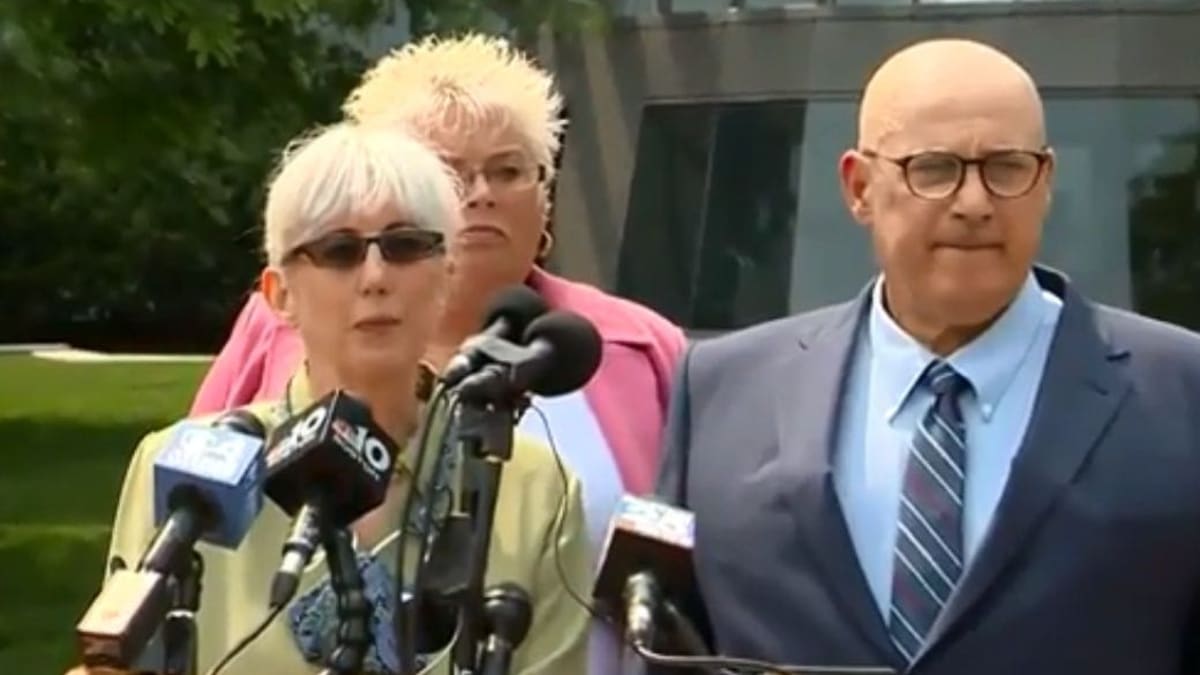
Pastor Jamal Bryant of a prominent Atlanta megachurch announced at a National Press Club briefing that the campaign was "officially concluding" and claiming victory. The boycott began in early 2025 after Target scaled back some diversity, equity and inclusion programs following President Trump's return to the White House.
Bryant launched the 40-day Lent boycott alongside activists Tamika Mallory and former Ohio state senator Nina Turner. The trio called themselves the "Mothership Three" and drew inspiration from historic Montgomery and Birmingham campaigns. They argued Target had retreated from commitments made after George Floyd's death in 2020.
The protest gained traction as part of a broader push by Black leaders to use economic pressure in response to corporate DEI rollbacks. Black Americans wield roughly $2 trillion in buying power, according to recent consumer market estimates. Target serves more than 2,000 communities nationwide.
The timing gives Target's new CEO Michael Fiddelke a chance to reset the company's reputation. Fiddelke met with boycott leaders in recent months and has shown eagerness to listen to all stakeholders, according to retail analysts.
The Ripple Effect
The campaign's success demonstrates how organized economic action can influence corporate decisions. Target confirmed it more than doubled the number of Black-owned brands on its shelves while completing its existing $2 billion commitment to Black-owned businesses.
The boycott also highlighted how DEI rollbacks affect real partnerships. BLK & Bold co-founder Pernell Cezar told reporters he was disappointed in Target's initial moves. Atlanta mental health nonprofit Black Men Smile also saw its partnership affected.
Retail analyst Neil Saunders noted the boycott "has been unhelpful to Target" though most shoppers don't typically participate in protests even when they support the cause. Target's sales struggles predated the controversy, suggesting multiple factors at play.
Turner and Mallory both called for Target to publicly apologize for what they describe as harm caused to Black customers. "When will you state to our community the harm that you have caused?" Mallory asked during the briefing.
Target responded in a statement that it is "more committed than ever to creating growth and opportunity for all." The company said no policies were reversed or reinstated specifically due to the conversations.
The activists made clear their work continues beyond this victory. "The question now is not about Target," Mallory said. "It's really about us: what's next, who's next, and what do we intend to do?"
Based on reporting by Google News - Business
This story was written by BrightWire based on verified news reports.
Spread the positivity!
Share this good news with someone who needs it