Tasmania Approves $1.1B Stadium, Unlocks First AFL Team
After years of heated debate, Tasmania's parliament has greenlit a $1.1 billion stadium that will bring the state its first elite professional football team. The Tasmania Devils will join the Australian Football League in 2028, marking a historic first for the island state.
Tasmania just scored the biggest win in its sporting history.
The state's parliament approved a $1.1 billion stadium project in Hobart, opening the door for Tasmania to field its first team in the Australian Football League. The Upper House vote of 9 to 5 ends years of political battles and brings professional sports to a state that's long watched from the sidelines.
The Tasmania Devils will kick off their first AFL season in 2028. A women's team will follow at a date yet to be announced, giving female athletes another pathway to elite competition.
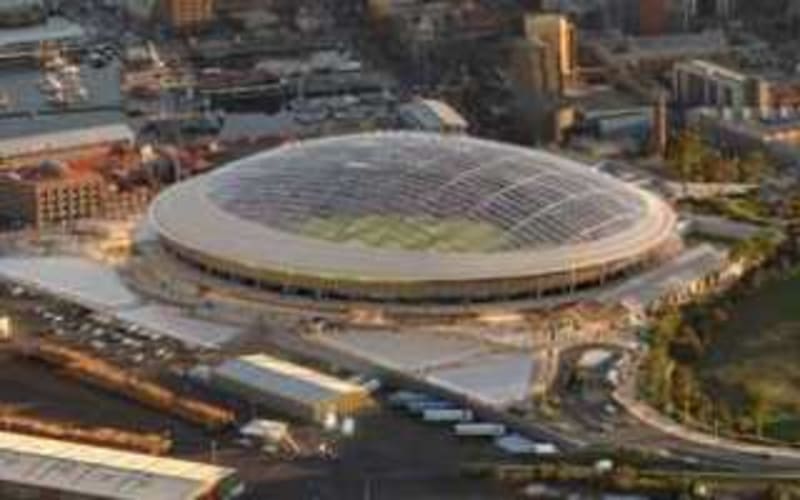
The new Macquarie Point Stadium will seat 23,000 fans under a full roof. Designed by renowned firm COX Architecture, the venue will host not just football but cricket matches, concerts, and major cultural events throughout the year.
The stadium sits at the heart of a larger transformation. Macquarie Point, currently a neglected waterfront area, will become a modern urban space designed to boost tourism and create jobs across Hobart.
Construction starts in 2026, with doors opening in 2029. Until then, the Devils will play home games at existing stadiums in Hobart and Launceston during their debut 2028 season.
The government launched a contractor search this month, with proposals due by February 11, 2026. Local businesses have reason to celebrate: 30% of the evaluation criteria focuses on benefits to Tasmanian workers and companies.
The Ripple Effect
This stadium means more than game days. For a state often overlooked in national conversations, joining the AFL puts Tasmania on equal footing with mainland powerhouses. Young athletes across the island now have a clear path to professional careers without leaving home.
The project promises hundreds of construction jobs starting next year, followed by permanent positions once the venue opens. Tourism officials expect the stadium to draw visitors year-round, not just during football season.
Local suppliers and contractors will handle a significant share of the $1.1 billion investment, keeping money circulating within Tasmania's economy. The government views this as a catalyst that will spark additional development across Hobart's waterfront.
Not everyone cheered the decision. The independent Tasmanian Planning Commission recommended halting the project, citing concerns about cost and the stadium's fit on the waterfront site. Critics questioned whether the economic benefits justify the price tag.
But supporters see this as Tasmania's moment. For the first time, the state will compete at Australia's highest sporting level, with a world-class venue to call home.
By 2029, Hobart will have transformed a forgotten waterfront into a thriving hub where Tasmania finally takes center stage.
Based on reporting by Google News - Australia Breakthrough
This story was written by BrightWire based on verified news reports.
Spread the positivity!
Share this good news with someone who needs it